The following is the opinion and analysis of the writers:
Artificial intelligence (AI) has the potential to improve health care delivery for patients and providers. While one of the most common applications are automated bill pay services, the use of medical technology extends to machine learning algorithms to support medical diagnoses and transcribe patient-provider interactions during appointments. According to the Pew Research Institution, less than half of Americans are comfortable with the involvement of AI in their health care management. Young adults, men, and individuals with high educational achievement were more likely to be in support of utilizing medical AI. Nearly 60% of respondents anticipated that the use of AI would strain patient-provider relationships.
The strength of patient-provider relationships have been correlated with improved patient outcomes. The public opinion that patient-provider relationships will worsen is worth careful consideration prior to implementing new technology. Currently, basic patient questions can be answered via online automated systems. However, language models, like ChatGPT, open the door for more nuanced interactions. In fact, a recent CNN article found ChatGPT to have better responses and be more empathetic than communication written from medical providers. The positive reviews suggest that programs like ChatGPT will continue to be integrated into healthcare delivery systems.
People are also reading…
In addition to patient interactions, ChatGPT has been a useful tool for care management and data analysis. ChatGPT has the ability to process large amounts of data faster than traditional methods. Its high processing speed can aid well in a clinical setting, as it can perform real time integration of patient labs leading to faster clinical assessment and diagnosis. The software has the capacity to automate reminders for medications, appointments, and scheduling visits. By aiding with administrative burdens, providers will have more time to interact with patients and to manage more complex cases.
Though technology, like ChatGPT can be used to benefit the healthcare field, there are concerns that automating any form of healthcare through an algorithm can widen racial disparities in healthcare outcomes. The potential pitfalls in using automation of algorithms stems from the data in which the application is learning from, which is often historic and has roots of inherent racism. If ChatGPT is learning from data that is biased, the software can only perpetuate its patterns, further integrating flawed algorithms into standard practice. For example, the Stone Score, pediatric UTI risk calculators, and vaginal birth calculators have been found to underestimate risk for Black patients and are still commonly used today. Authentic human connection cannot be achieved via an algorithm. Personal and culturally competent communication is what separates people from machines. While ChatGPT has been proven to be an efficient tool, we must remain critical of what systems we are allowing the software to replicate.
With the widespread use of AI and the recent popularity of ChatGPT, there is a need to consider how this automated model plays a role in medicine. By managing administrative tasks and improving workflow, physicians can spend more time with patients. ChatGPT could also use the patient history, lab results, and symptoms to help create a differential diagnosis for providers, while also staying up to date on the current guidelines and new treatment modalities. While there is a push for ChatGPT to be more involved with diagnosing and managing diseases, there is risk of reinforcing bias and exacerbating racial disparities in healthcare.
Ultimately, it is the combination of the clinical algorithm, symptom presentation, and the patient’s holistic wellbeing that guide care management.
The latter element can only be acquired through human-human interaction. Thus, ChatGPT or other AI software could never truly replace providers in diagnosing and treating patients, but rather serve as a supplement in guiding care management. Nevertheless, ChatGPT can have a positive impact on patient care, as long as we consider and address the risks of implementing this impressive technology.
Follow these steps to easily submit a letter to the editor or guest opinion to the Arizona Daily Star.

Quin Johnson

Priyanka Chilukuri

Fatouma Tall

Stephanie Place

Leesa Lyons
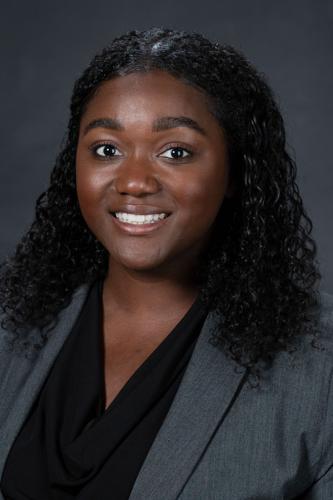
Quin Johnson, Priyanka Chilukuri, Fatouma Tall, Stephanie Place, Leesa Lyons are a team of MPH students at University of Arizona Mel and Enid Zuckerman College of Public Health.