
With spring in full swing, stinging insects become much more active in SaddleBrooke and across the United States. In fact, we have already seen increased activity in February due to the rising temperatures, which is sooner than normal.
Did you know each year, some 500,000 people are sent to the hospital due to stings from insects such as honey bees, paper wasps, yellow jackets, and hornets? In fact, bee and wasp stings can cause significant reactions, ranging from pain that is localized to serious or potentially fatal conditions.
In order to keep your family healthy and safe from potential stings, it is important to know everything you can about bees and wasps and how to handle their presence.
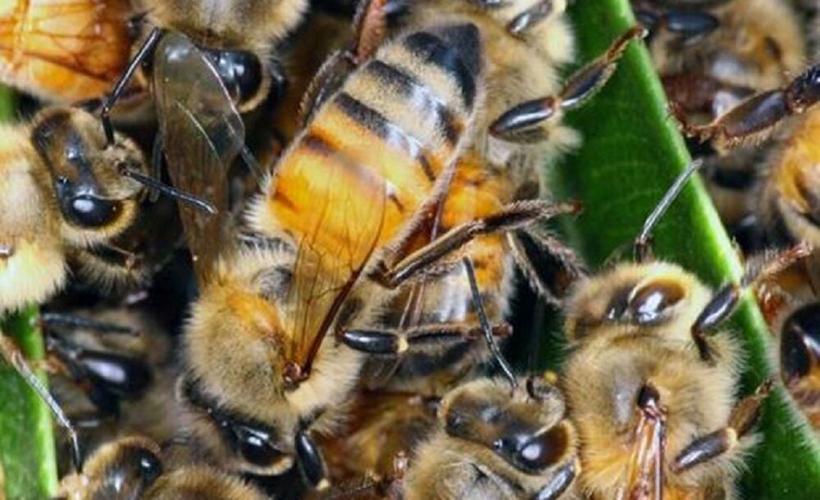
For starters, bees and wasps are often mistaken for one another since both are capable of delivering painful stings. Identifying the difference between bees and wasps is important when it comes to treating stings and identifying infestations in your home or yard. Bees measure around a half-inch long with hairy bodies while wasps can vary in size but average a half-inch long and have smooth and shiny skin. Most bee colonies can have populations close to 100,000 while wasps have smaller colonies.
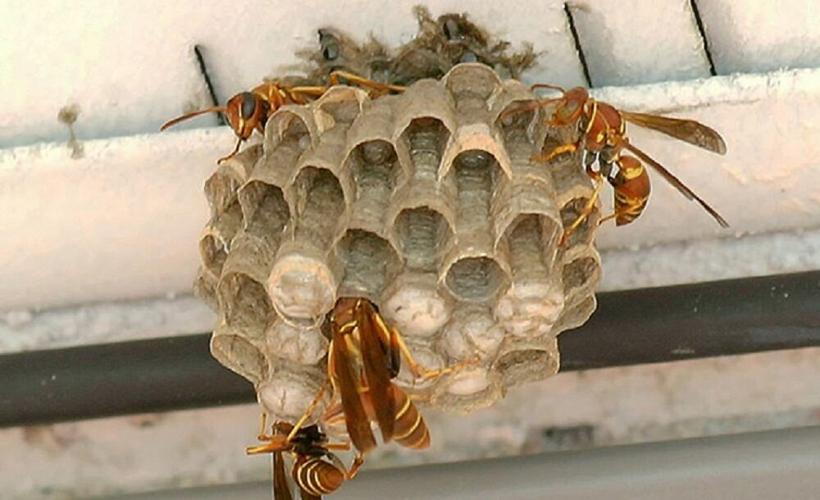
Normally, SaddleBrooke residents and their pets may come in contact with several species of both wasps and bees. A very common wasp in our area is the paper wasp. Paper wasps build nests out of dead wood and plant stems mixed with their saliva to create honeycomb nests. Nests can be found in hollow trees, attics, roof soffits, and other areas that are not frequented. Both paper wasps and yellow jackets will keep their distance from humans unless their nests are disturbed. If you get too close to their nest they will attack in numbers and their stings are quite painful. Paper wasps build nests out of paper as well, but unlike yellow jackets, they usually build their nests in exposed areas such as window frames.
In Arizona, we consider all honey bees Africanized. Also known as “killer bees,” Africanized bees react to disturbances and are typically more defensive than Western honey bees. Bees are a social species that lives within colonies with the queen. A bee is only capable of administering one sting in its lifetime since their stinger is attached to their intestines. When a bee stings it releases a venom that includes pheromones that will alert other bees telling them to attack. Unlike bees, wasps can sting multiple times throughout its life.
If you end up being stung by a bee or a wasp, unless you are allergic, there are several steps I recommend you take at home before seeking medical treatment.
First, remove the stinger with tweeters or scrape it away using your fingernail—do not pinch the stinger as this can inject more venom. Control swelling to the area by icing it down. If you were stung on your arm or leg, elevate it. For pain, take an over-the-counter painkiller such as ibuprofen or an allergy relief medicine. If you are feeling itchy, apply a mixture of baking soda and water or a calamine lotion. Seek emergency care immediately if you are experiencing shortness of breath, tightness of the throat, abdominal pain, fast heartbeat or loss of consciousness.
While you might be tempted to douse chemicals or water on a visible nest in your home, it is best that these infestations be left to professionals. Spraying a nest will cause these flying insects to go into defensive mode, which will trigger aggressive behavior and increase the chances of an attack. A pest professional will take the time to carefully assess and recommend the best method of treatment.
Paul Opocensky is the Manager for Truly Nolen in SaddleBrooke. His service office can be reached at (520) 219-2494. Founded in 1938, Tucson-based Truly Nolen of America (visit www.trulynolen.com) is one of the largest family-owned pest control companies in the United States.
 Vacant Tucson stores could transform into new housing


