Skip to main contentSkip to main content
Register for more free articles.
Log in Sign up
Back to homepage
Subscriber Login
Keep reading with a digital access subscription.
Subscribe now
You have permission to edit this collection.
Edit
Arizona Daily Star
87°
  • Sign in
  • Subscribe Now
  • Manage account
  • Logout
    • Manage account
    • e-Newspaper
    • Logout
  • News
    • Sign up for newsletters
    • Local
    • Arizona
    • Business
    • Crime
    • Nation & World
    • Markets & Stocks
    • SaddleBrooke
    • Politics
    • Archives
    • News Tip
  • Arizona Daily Star
    • E-edition
    • E-edition-Tutorial
    • Archives
    • Special Sections
    • Merchandise
    • Circulars
    • Readers' Choice Awards
    • Buyer's Edge
  • Obituaries
    • Share Your Story
    • Recent Obituaries
    • Find an Obituary
  • Opinion
    • Submit a Letter
    • Submit guest opinion
    • Letters to the Editor
    • Opinion & Editorials
    • National Columnists
  • Sports
    • Arizona Wildcats
    • Greg Hansen
    • High Schools
    • Roadrunners
  • Lifestyles
    • Events Calendar
    • Arts & Theatre
    • Food & Cooking
    • Movies & TV
    • Movie Listings
    • Music
    • Comics
    • Games
    • Columns
    • Play
    • Home & Gardening
    • Health
    • Get Healthy
    • Parenting
    • Fashion
    • People
    • Pets
    • Travel
    • Faith
    • Retro Tucson
    • History
    • Travel
    • Outdoors & Rec
    • Community Pages
  • Brand Ave. Studios
  • Join the community
    • News tip
    • Share video
  • Buy & Sell
    • Place an Ad
    • Shop Local
    • Jobs
    • Homes
    • Freedom RV AZ
    • Marketplace
    • I Love A Deal
  • Shopping
  • Customer Service
    • Manage My Account
    • Newsletter Sign-Up
    • Subscribe
    • Contact us
  • Mobile Apps
  • Weather: Live Radar
  • Facebook
  • Twitter
  • Bluesky
  • YouTube
  • Pinterest
  • Instagram
© 2026 Lee Enterprises
Terms of Service | Privacy Policy
Arizona Daily Star
News+
Read Today's E-edition
Arizona Daily Star
News+
  • Log In
  • $1 for 3 months
    Subscribe Now
    • Manage account
    • e-Newspaper
    • Logout
  • E-edition
  • News
  • Obituaries
  • Opinion
  • Wildcats
  • Lifestyles
  • Newsletters
  • Comics & Puzzles
  • Buyer's Edge
  • Jobs
  • Freedom RV AZ
  • 87° Partly Cloudy
Share This
  • Facebook
  • Twitter
  • Bluesky
  • WhatsApp
  • SMS
  • Email

Read past coverage of Tucson's water rate hike

  • Dec 17, 2021
  • Dec 17, 2021 Updated Dec 17, 2021

Water rates rising in December for 71,000 Pima County residents

Leer en español

More than 71,000 Tucson Water customers in unincorporated Pima County will see their water bills rise in December after the Tucson City Council voted to increase water rates for a subset of customers.

Council members voted in June to raise water rates by 10% with a higher-tiered cost based on water usage for customers in unincorporated areas. Those rate increases will not affect Tucson Water customers in jurisdictions such as Oro Valley, Marana and South Tucson, but rather unincorporated county areas including the Catalina Foothills and Avra Valley.

Arizona Daily Star reporter Nicole Ludden's Top 5 stories of 2021

'We basically gave this guy a death sentence,' sheriff says of inmate's COVID death
Subscriber
Alert Top Story

'We basically gave this guy a death sentence,' sheriff says of inmate's COVID death

  • Nicole Ludden
  • Updated Jun 25, 2023

For Star subscribers: Pima County Sheriff Chris Nanos says COVID cases are increasing at the county jail. He says the low vaccination rate among his employees, including corrections officers, is disappointing, "particularly when you're talking about people who are willing to take a bullet for you but they won't take the shot.” 

Pima County Justice Court's cash-only weddings service 'problematic' to top administrator
Subscriber
Top Story

Pima County Justice Court's cash-only weddings service 'problematic' to top administrator

  • Nicole Ludden
  • Updated Dec 13, 2022

For Star subscribers: The county is looking to change the way wedding fees are handled after the finance department documented a slew of violations in the handling of marriage ceremonies.
Pima County considering permit for facility that will emit trace amount of cancerous gas
Local news
Alert Top Story

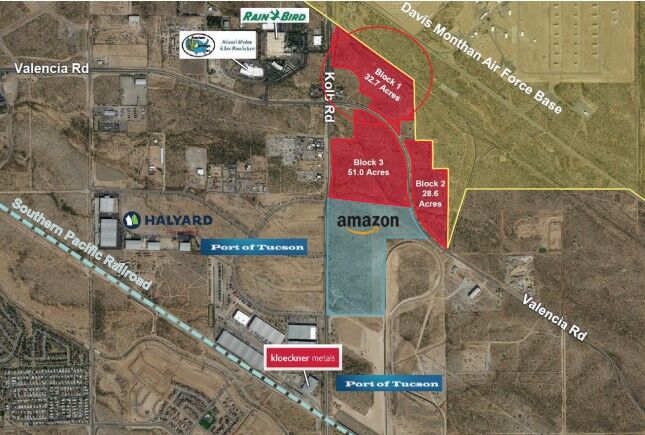
Pima County considering permit for facility that will emit trace amount of cancerous gas

  • Nicole Ludden
  • Updated Jun 25, 2023

The facility, at East Valencia and South Kolb roads, would be built to sterilize medical equipment using ethylene oxide.

Trash, no water, dead birds — Tucson apartment residents complaints bring city action
Local news
Alert Top Story

Trash, no water, dead birds — Tucson apartment residents complaints bring city action

  • Nicole Ludden
  • Updated Jun 25, 2023

The Cadence apartments in downtown Tucson has been issued a notice of violation from city code inspectors after tenants' complaints of water shut-offs, compiling trash and security issues. 

Los Reales Landfill to become a zero waste 'sustainability campus'
Stories from the Arizona Daily Star's Instagram
Alert Top Story

Los Reales Landfill to become a zero waste 'sustainability campus'

  • Nicole Ludden
  • Updated Jun 24, 2023

Tucson City Council changed the name of the Los Reales Landfill to the "Los Reales Sustainability Campus," initiating the process of achieving zero waste at the facility. 

The decision was solidified by a City Council vote in October and has created a significant rift between city and county officials. While the city says it costs more to deliver water to unincorporated areas, county officials have questioned the true cost and called the move “discriminatory.”

City Council directed staff to conduct a study to determine the difference in costs between providing water to inside city customers and unincorporated areas. The study found unincorporated water service costs 5% more, but some have taken issue with the study’s methods and the efficacy of the findings.
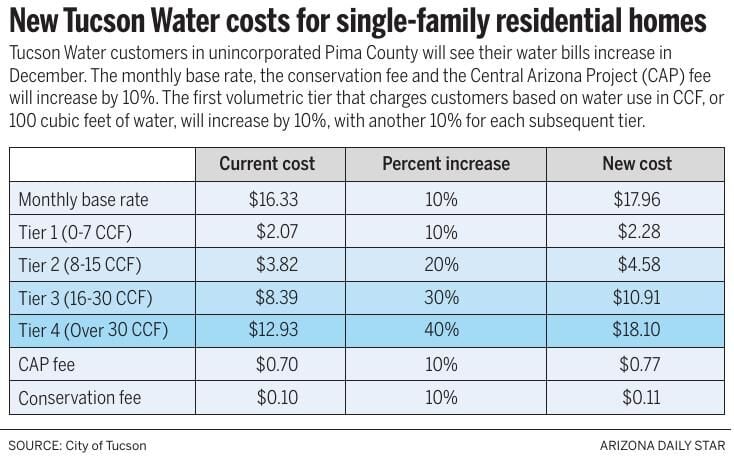
Download PDF 111521-tuc-news-water-rates-g1

At its Nov. 16 meeting, the Pima County Board of Supervisors will consider legal options to challenge the rate increases for nearly 29% of Tucson Water’s customers.

The average Tucson Water customer in unincorporated county limits will see monthly water bills increase from $50.28 to $56.45 per month, according to the city.

Cost of service

In April, the county's Board of Supervisors voted 3-2 to oppose differential water rates the same day the City Council issued its notice of intent to implement them.

Now, with increased rates set to take effect Dec. 1, the city anticipates earning about $10 million in extra annual revenue to use for infrastructure maintenance, climate resiliency and providing low-income assistance programs.

The city has maintained that raising water rates is purely a policy decision and is justifiable on those grounds alone, but City Council directed staff to conduct a cost-of-service study anyway.

That decision came after Chris Avery, principal assistant city attorney, looked into the legality of imposing differential rates based on an existing state statute and Tucson city code. Both suggest increasing water rates should be based on the cost of providing water.

Avery also pointed to an Arizona Supreme Court ruling that says municipally owned water utilities can charge more for water service outside “corporate limits.” Ultimately, he recommended any differential rate adopted undergo a cost-of-service study before final adoption in order to withstand any legal challenges to the reasonability of the rates.

However, Avery said since revenues generated will stay within the utility, “Tucson Water’s rates, in the aggregate, are ‘cost-of-service’ rates.”

The consulting firm Galardi Rothstein Group and Raftelis conducted the cost-of-service study and found it costs 5% more for the water and infrastructure it takes to deliver water to unincorporated areas than within the city.

“That's primarily a function of the density of development,” said Harold Smith, vice president of Raftelis. “Outside city customers are spread out more than inside city customers, so you just need more pipe to get it to all the different locations.”

The firm also assessed cost of service over a range of returns on investment, or how much more it costs to provide water to outside city customers in order to recoup the same initial investment as inside city customers. Using this approach, which is called the utility method, the company found the differential rate ranges from 9% to 26%, which encompasses the 10% base increase the council adopted.

Catch up on Star's coverage of water rate hikes

Political Notebook: Casas Adobes distanced in redistricting push

Residents of Casas Adobes, the unincorporated area centered on Ina Road and Oracle, have reason to feel insulted after the redistricting discussions this week.

Arizona Independent Redistricting Commissioner David Mehl and others have made it very, very clear they don’t want Casas Adobes residents lumped into a district with their neighbors in Marana and Oro Valley.

In fact, the mayor of Marana, Ed Honea, sent a letter, signed by others including Sen. Vince Leach, insisting his town has much more in common with far-flung places like the Houghton Road Corridor than with nearby Casas Adobes.

In the letter, Honea and the others define their community of interest as SaddleBrooke, SaddleBrooke Ranch, Eagle Crest Picture Rocks, Red Rock, Marana, Oro Valley, Tanque Verde Valley and the Houghton Road Corridor.

It would take an hour to drive from SaddleBrooke Ranch to, say, the Safeway at the corner of Houghton and Broadway.

What goes unsaid, of course, is that the communities mentioned in the letter lean Republican, while Casas Adobes does not.

“Our small communities and unincorporated localities depart with these areas in our priorities on principles relating to work, life and raising a family,” the letter says.

Asked to elaborate by phone, Honea said there was “more of a small town feel” in the areas he’s referring to, with a lot of horse property and members of groups like 4-H and Future Farmers of America.

Tim Steller

Kozachik: “Boycott Tucson” figure shows bias

Curtis Lueck, co-chair of the project review subcommittee for the Regional Transportation Authority, is drawing scrutiny from council member Steve Kozachik for his effort to have shoppers boycott Tucson when making big purchases. Lueck’s boycott drive is in response to the increase in water rates that the city is scheduled to impose soon on residents of unincorporated areas of Pima County.

In his Oct. 25 newsletter, Kozachik called the move a “resistance point” and suggested that Lueck’s boycott illustrates the RTA’s bias against Tucson. The city is threatening to withdraw from the regional transportation plan if its long list of complaints isn’t addressed by Feb. 1.

“Last week I suggested to city leadership that Mr. Lueck should not be doing cost assessments of our projects and making recommendations on cost-shifting to Tucson residents,” Kozachik wrote. “If we’re going to participate in RTA Next, this is exactly the sort of activity their executive director should be monitoring and preventing.”

Lueck is a close associate of County Administrator Chuck Huckelberry and was present when Huckelberry was struck by a vehicle when riding his bicycle downtown on Oct. 23. Huckelberry, who suffered a serious head injury and several broken ribs in the crash, is an opponent of the city’s differential water rates plan.

“I think he’s stretching a point to an unbelievable level,” Leuck said Thursday about Kozachik. “There really is no relationship, to me, between the differential water rates and the RTA.”

Nicole Ludden

Election Day in Tucson is Tuesday

Election Day is Tuesday for Tucson voters, who will determine the future of two propositions — one that would raise salaries for city leaders and another that would increase the minimum wage — as well as the outcome of three City Council races.

Some 63,616 early votes have already been returned to the City Clerk’s Office. That’s more than a fifth of the 284,150 ballots that were mailed to voters earlier this month.

Ballots that haven’t been cast need to be dropped off at a voting location. If they are mailed now, they are unlikely to be delivered by the 7 p.m. election night deadline.

The Tucson City Clerk Elections Center, 800 E. 12th St., will be the only voting location open before Election Day.

Replacement ballots will be available at several voting locations as well on Election Day. Voters who need a replacement will have to bring either one form of photo ID, like a driver’s license, or two forms of non-photo ID, such as a vehicle registration or insurance card.

Votes will be discarded if they aren’t received by officials by the 7 p.m. deadline on election night.

Sam Kmack

Tucson City Council approves water rate hike for unincorporated Pima County residents

The Tucson City Council voted unanimously Tuesday to impose a 10% differential rate with a higher tiered cost based on water usage for customers in unincorporated areas.

Councilman Paul Cunningham proposed a motion to implement the rate hikes for Tucson Water customers in unincorporated Pima County to take effect on Dec. 1, 2021.

City staffers project the differential rate will create $9.9 million for the utility, which the motion directs to be used in the following areas:

Infrastructure and maintenance upgrades to enhance water delivery from within the city limits to outside the city limits.

Climate resiliency and water sustainability for recharge, retention and reclamation projects primarily outside the city limits and enhancing tree canopy throughout the entire Tucson Water system.

Financial resiliency in the form of expansion of the low-income program and a one-time paydown of eligible delinquent accounts that have been negatively impacted by COVID-19.

Cunningham’s motion directs the city’s staff staff to complete “a broad cost-of-service analysis that is based upon the rates in option seven (the adopted rate structure) and further consider the economic environmental benefit to the region, considers annexation and incorporation and recognizes that as the owner of the utility, the city bears risks and liabilities that the county does not.”

Council members unanimously voted in April to begin the process of raising rates for some Tucson Water customers. The rate increases will not affect Tucson Water customers in jurisdictions such as Oro Valley, Marana and South Tucson, but rather unincorporated county areas including the Catalina Foothills and Avra Valley.

The average Tucson Water customer in unincorporated Pima County uses about 7,500 gallons of water for a monthly bill of about $50.28, according to the city. Under the new rate structure, this would increase to $56.45.

“As the stewards of our water utility and our water resources, mayor and council is responsible to make the best decisions available to be able to preserve the water resources, not just for our residents now, but into the future,” Mayor Regina Romero said. “Even though the motion has the cost-of-service analysis, this is much more based on the climate reality we live in and on the conservation that we have to take.”

The city says it takes more water, and more water infrastructure, to serve unincorporated areas. According to city staffers, 29% of Tucson Water customers live in unincorporated Pima County and 36% of the utility’s pipelines serve these areas. They also say unincorporated residents use 43% more water than city customers.

But a central argument circulating against differential rates is that there has not been a cost-of-service study conducted to determine if it costs more money for the city to provide water to unincorporated areas.

While the motion calls for the cost-of-service study, it’s not clear if it will be completed before the new rates are imposed. Therefore, the differential rate for unincorporated areas has been decided before the study determines how much it costs to provide water to said areas.

Councilman Steve Kozachik asked if City Attorney Mike Rankin was comfortable with announcing a rate structure before a cost-of-service study is conducted.

Rankin said he was, as the city’s notice of intention in April provided data on eight different rate options, including the one adopted. He said the City Council isn’t limited to establishing a differential rate on only a cost-of-service study.

“The city bears certain risks and liabilities that are different, and that are not borne by the unincorporated county or its customers,” Rankin said. “So there are justifications beyond the cost of service that make a differential rate defensible.”

Chris Avery, the principal assistant city attorney, looked into the legality of imposing differential rates based on an existing state statute and the Tucson city code at the City Council’s direction after its June 8 meeting. Both suggest increasing water rates should be based on the cost of providing water.

One state statute says a municipality shall not increase water rates without indicating “the overall expenses for providing water or wastewater service.”

The Tucson city code says water rates shall “be consistent with the policy for charging for water in direct proportion to the cost of securing, developing and delivering water to the customers of the city water system.”

Avery points to an Arizona Supreme Court ruling that said municipally owned water utilities can charge more for water service outside its “corporate limits.” Ultimately, he recommended any differential rate adopted undergo a cost-of-service study before final adoption in order to withstand any legal challenges to the reasonability of the rates.

However, Avery said since revenues generated will stay within the utility, “Tucson Water’s rates, in the aggregate, are ‘cost-of-service’ rates.”

Although Cunningham included a cost-of-service study in his motion, ultimately, the cost of providing water to unincorporated jurisdictions isn’t why he supports differential rates.

“I want to be really clear that I agree that the cost of service is necessary, it’s an important piece to this. But it’s not why we’re doing the differential rate. This has always been a policy decision for me,” he said. “We’re the ones serving you water, we’re the ones who backstop the utility.”

A mother javelina and her babies made a visit to a northwest neighborhood Monday, June 21, 2021. If you get such a visit, keep a safe distance and enjoy the wildlife from a distance. Video courtesy of Stacey McMullen.

Video by Stacey McMullen

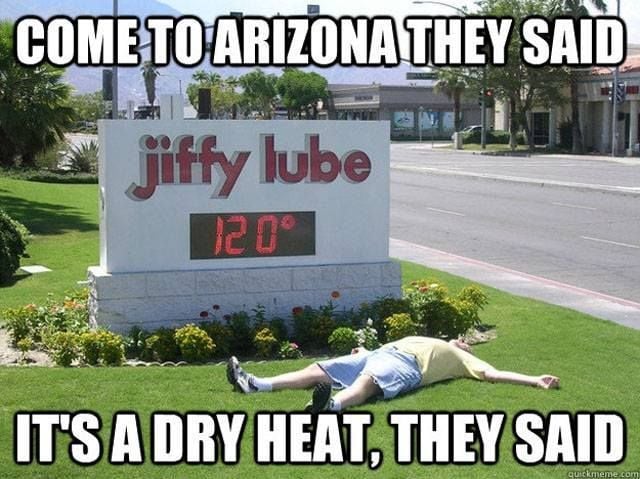
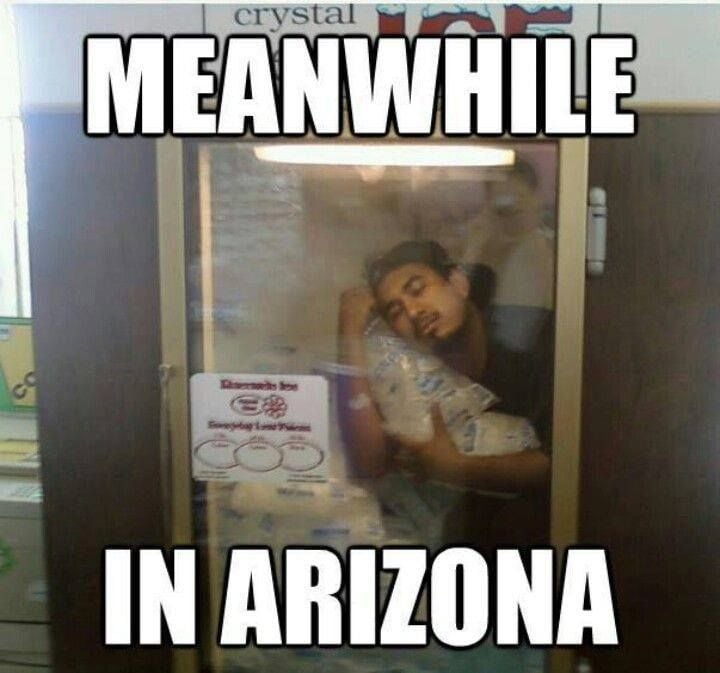
'It's a dry heat:' 25 memes that sum up Tucson summers

Arizona heat got me like...

Arizona heat got me like...

Facebook reader Bianca Lutz posted this meme.

Arizona heat got me like...
Arizona heat got me like...

Arizona heat got me like...

Post your Tucson heat memes to the Arizona Daily Star's Facebook page. facebook.com/arizonadailystar

Arizona heat got me like...

Arizona heat got me like...

Arizona heat got me like...

Facebook reader Veronica Mancha posted this meme.

Arizona heat got me like...

Arizona heat got me like...

Arizona heat got me like...

Post your Tucson heat memes to the Arizona Daily Star's Facebook page. facebook.com/arizonadailystar

Arizona heat got me like...

Arizona heat got me like...

Arizona heat got me like...

Post your Tucson heat memes to the Arizona Daily Star's Facebook page. facebook.com/arizonadailystar

Arizona heat got me like...
Arizona heat got me like...
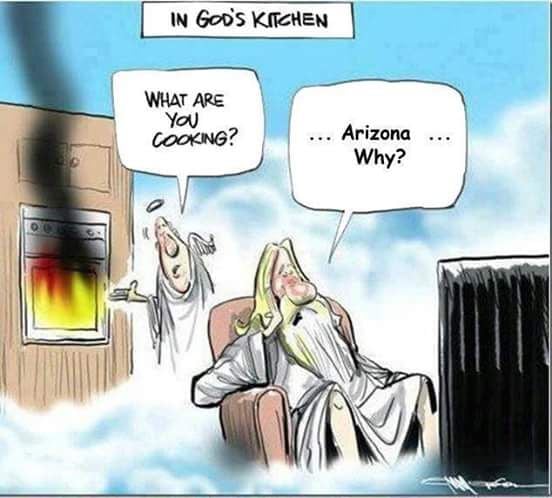
Arizona heat got me like...

Arizona heat got me like...

Arizona heat got me like...

Facebook readers Therese Tice and Marie Bennett posted this meme.

Arizona heat got me like...
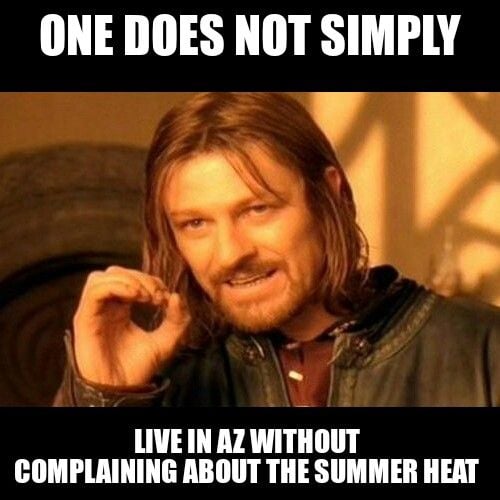
Arizona heat got me like...

Arizona heat got me like...

Facebook reader Rigo Mabante posted this meme.

Arizona heat got me like...
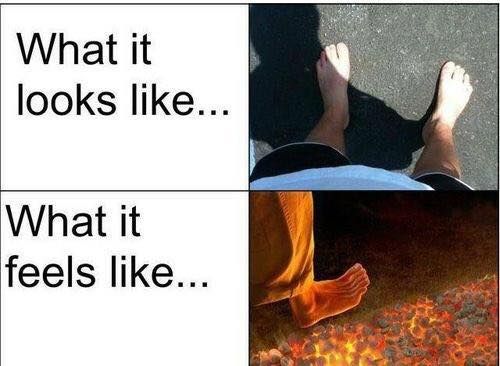
Arizona heat got me like...

Arizona heat got me like...

Facebook reader Cecilia Altamirano posted this meme.

Arizona heat got me like...

Arizona heat got me like...

Arizona heat got me like...

Facebook reader Iselda Mendez posted this meme.

Arizona heat got me like...
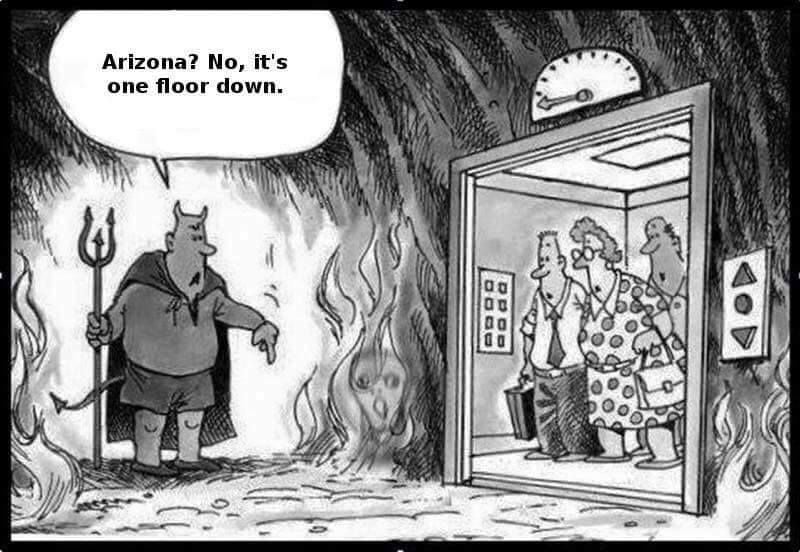
Arizona heat got me like...

Arizona heat got me like...

Facebook readers Ashlee Danielle and Chyna Flax posted this meme.

Arizona heat got me like...
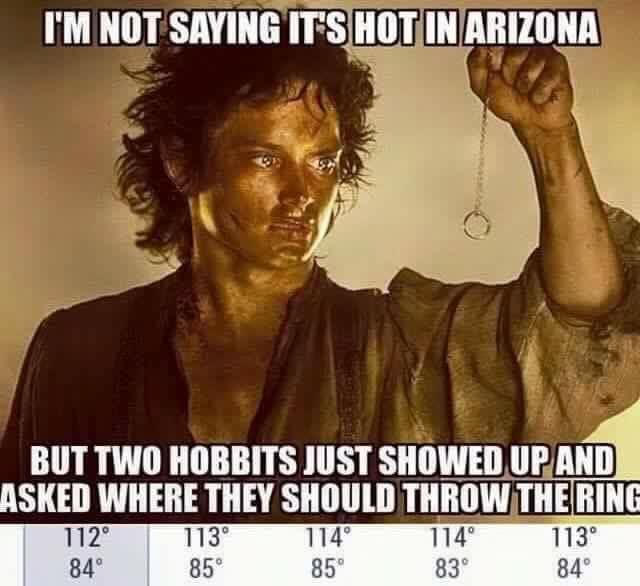
Arizona heat got me like...

Arizona heat got me like...

Facebook reader Jo Riedel Clute posted this meme.

Arizona heat got me like...

Arizona heat got me like...

Arizona heat got me like...

Facebook readers Cecilia Altamirano and David Sarge Valenzuela posted this meme.

Arizona heat got me like...

Arizona heat got me like...

Arizona heat got me like...

Facebook reader Rigo Mabante posted this meme.

Arizona heat got me like...

Arizona heat got me like...

Arizona heat got me like...

Facebook reader Antonio ShRaidder Granillo posted this meme.

Arizona heat got me like...

Arizona heat got me like...

Arizona heat got me like...

Facebook reader Jovany Hernandez posted this meme.

Arizona heat got me like...

Arizona heat got me like...

Arizona heat got me like...

Facebook reader Marie Bennett posted this meme.

Arizona heat got me like...

Arizona heat got me like...

Arizona heat got me like...

Facebook reader Chyna Flax posted this meme.

Arizona heat got me like...

Arizona heat got me like...

Arizona heat got me like...

Facebook reader Aja DeZeeuw posted this meme.

Arizona heat got me like...

Arizona heat got me like...

Arizona heat got me like...

Courtesy of Jr Amador via Facebook

Arizona heat got me like...

Arizona heat got me like...

Courtesy of Jackie Owns via Facebook

Arizona heat got me like...

Arizona heat got me like...
Anthony Dimattia via Facebook

Arizona heat got like me...

Arizona heat got like me...
Susan J Bullers via Facebook

Arizona heat got me like...

Arizona heat got me like...
Courtesy of Lisa Stefani via Facebook

Arizona heat got me like...

Arizona heat got me like...
Courtesy of Andrew Addison via Facebook

Higher water rates for unincorporated customers back before Tucson City Council

The Tucson City Council will revisit at its meeting Tuesday the topic of raising water bills for unincorporated residents.

Council members postponed making a decision June 8 and decided to leave the public hearing on the proposal open. Residents will have the option to call into the meeting when the hearing continues June 22.

Council members unanimously voted in April to begin the process of raising rates for some Tucson Water customers. While the council members have shown support for the initiative, they voted to direct city staff to return to Tuesday’s meeting with more information.

After gathering said information, City Manager Michael Ortega is recommending the City Council consider one of four proposed rate increase structures. If council members adopt a rate increase, unincorporated residents would see higher water bills on or after Aug. 1.

At mayor and council’s direction, city staff analyzed each option’s projected revenues and impact to water bills while looking into how the revenues could expand low-income services, enhance water resource management and improve infrastructure reliability.

Impact of differential rates

The City Council voted to look into a flat 10% increase, a flat 40% increase or a flat 5% or 10% increase with a higher tiered-cost based on water usage for unincorporated residents.

According to the city, the average Tucson Water customer in unincorporated Pima County uses about 7,500 gallons of water for a monthly bill of about $50.28. Here’s what unincorporated residents’ water bills would look like for the average customer at these four levels:

A flat 10% increase: $55.31.

A flat 40% increase: $70.39.

A flat 5% increase with escalating tiers based on usage: $53.37.

A flat 10% increase with escalating tiers based on usage: $56.45.

Of the four rate structures, the city estimates at least $6.3 million and at most $26.5 million would be generated for Tucson Water.

City staff also looked into how the extra revenue generated from differential rates could support low-income assistance programs. The water utility already has an assistance program in place that reduces monthly water bills for qualified customers based on their income.

The funds from rate hikes could expand the capacity of the existing program, provide one-time debt forgiveness for those behind on payments due to the pandemic or develop and “special hardship relief program,” according to city staff.

“Some of that money would be for ongoing funding programs, current and expanded, now and into the future,” said Tim Thomure, interim assistant city manager. “But in the near term, we would find a mechanism to be able to provide relief to people who’ve been impacted by COVID.”

Staff said revenue could also enhance water resource management by expanding recharging capacity, putting more money into storm water capture and developing new renewable water supplies.

In terms of improving water infrastructure, staff suggested addressing system-wide leaks, renewing older equipment and working on system reliability.

Legal issues

A central argument circulating against differential rates has been that there has not been a cost-of-service study conducted to determine if it costs more money for the city to provide water to unincorporated areas.

At the June 8 public hearing, speakers cited a state statute and city code that suggest a cost-of-service study has to be conducted before raising rates. Councilman Steve Kozachik asked staff to look into this.

One state statute says a municipality shall not increase water rates without indicating “the overall expenses for providing water or wastewater service.”

The Tucson city code says water rates shall “be consistent with the policy for charging for water in direct proportion to the cost of securing, developing and delivering water to the customers of the city water system.”

The two laws were analyzed in a memorandum from Chris Avery, the principal assistant city attorney. He points to an Arizona Supreme Court ruling that said municipally owned water utilities can charge more for water service outside its “corporate limits.”

Ultimately, Avery recommended any differential rate adopted undergo a cost-of-service study before final adoption in order to withstand any legal challenges to the reasonability of the rates. However, Avery said since revenues generated will stay within the utility, “Tucson Water’s rates, in the aggregate, are ‘cost-of-service’ rates.”

As to why city staff have not conducted a cost-of-service analysis yet, Thomure said they haven’t been told to do one by city leaders. And according to the city’s legal interpretation, they are not obligated to, as the decision can be based on policy as well as cost.

Thomure says if the council asked for a cost-of-service study, it would take about six months. Historically, Tucson Water has only conducted cost-of-service studies on a system-wide level, and not by wards or ZIP codes.

A city-county rift

Before mayor and council voted unanimously to begin the process of raising water rates for unincorporated customers April 6, the Pima County Board of Supervisors voted 3-2 to publicly oppose differential water rates.

Supervisor Rex Scott, who represents many unincorporated residents in District 1, called in to the June 8 public hearing to express his concerns.

“These higher water rates, which are unfair, inequitable and illogically conceived, would affect many of the people that I represent,” he said, “I ask you to reject this divisive and unjust proposal that will punish Tucson Water ratepayers solely because they live in unincorporated Pima County.”

Mark Taylor, the chair of Citizens’ Water Advisory Committee, a group established in 1977 to advise the City Council on water resource planning for citizens in and outside city boundaries, has expressed concerns about creating a divide between the city and county.

“It’s important for the Tucson Water customers to be treated equitably between all of them, and not break them into two different groups or two different classes,” he said. “I think it’s a potential to divide the customer base of Tucson Water.”

But Thomure feels both jurisdictions can work through the issue in continuation of a collaborative, regional partnership.

The public hearing on differential rates will be held during the City Council’s regular meeting at 5:30 p.m. Tuesday, June 22. The meeting will be livestreamed on the city of Tucson’s YouTube channel.

Tucson City Council postpones vote on higher water rates for unincorporated residents

The Tucson City Council postponed making a decision Tuesday night on raising water rates for residents in unincorporated Pima County after holding a public hearing on the proposal.

Council members unanimously voted in April to begin the process of approving higher rates for some Tucson Water customers.

But after holding a public hearing Tuesday on differential water rates, council members voted unanimously to hold off on making a decision. The council will revisit differential rates and listen to more public comments at its next meeting June 22.

Council members approved a motion to direct city staff to return to the next meeting with analyses of four of the proposed rate increase structures with their projected revenues, impact to water bills and a comparison of each option to differential rates charged by other water providers.

City staff will look into how the revenues could expand low-income services, enhance water resource management and improve infrastructure reliability.

The four proposed rate changes that staff will analyze further include a flat 10% increase, a flat 40% increase or a flat 5% or 10% increase with a higher tiered-cost based on water usage.

On April 6, the Pima County Board of Supervisors voted 3-2 to oppose higher water rates for unincorporated Tucson Water customers.

The rate increase would not affect Tucson Water customers in jurisdictions such as Oro Valley, Marana and South Tucson, but rather unincorporated county areas including the Catalina Foothills and Avra Valley.

The city says it takes more water, and more water infrastructure, to serve unincorporated areas. According to city staff, 29% of Tucson Water customers live in unincorporated Pima County, and 36% of the utility’s pipelines serve these areas. They also say unincorporated residents use 43% more water than city customers.

To gauge public input on the issue, the city has hosted two town halls and has put out a public survey that closes at midnight Tuesday.

As of 8 p.m. Tuesday, more than 2,200 individuals had responded to the survey and nearly 82% had indicated they are “very opposed” to differential water rates. Of the respondents, 76% said they live in the “greater Tucson area” instead of within city limits.

The city’s Citizens’ Water Advisory Committee, or CWAC, a group established in 1977 to advise City Council on water resource planning for citizens in and outside city boundaries, also discussed the issue. Members recommended the City Council hold off on making a decision until the fall.

CWAC said there is not a clear purpose for the rate hikes, and it has yet to be established what the extra funds would be used for.

Learn the four basic rules of recycling from Tucson Environmental Services plus a reminder not to recycle plastic grocery bags in curbside recycling. Video courtesy of Tucson Environmental Services.

Tucson Environmental Services

Photos: Water fills the desert at these spots around Tucson

Lakeside Park, Tucson

Lakeside Park, Tucson

A father fishes with his two sons at Chuck Ford Lakeside Park, 8201 E. Stella Rd., in Tucson, Ariz. on Nov. 17, 2020. Chuck Ford Lakeside Park, an urban lake on the southeast side of town, is a popular spot for walking and fishing. The lake is stocked with catfish, trout, bass and sunfish.

Rebecca Sasnett / Arizona Daily Star

Lakeside Park, Tucson

Lakeside Park, Tucson

A duck runs on water at Chuck Ford Lakeside Park, 8201 E. Stella Rd., in Tucson, Ariz. on Nov. 17, 2020. Chuck Ford Lakeside Park, an urban lake on the southeast side of town, is a popular spot for walking and fishing.

Rebecca Sasnett / Arizona Daily Star

Lakeside Park, Tucson

Lakeside Park, Tucson

While fishing with family members, Jose Saenz places a caught rainbow trout in a basket at Chuck Ford Lakeside Park, 8201 E. Stella Rd., in Tucson, Ariz. on Nov. 17, 2020. Chuck Ford Lakeside Park, an urban lake on the southeast side of town, is a popular spot for walking and fishing. The lake is stocked with catfish, trout, bass and sunfish.

Rebecca Sasnett / Arizona Daily Star

Lakeside Park, Tucson

Lakeside Park, Tucson

A fisherman waits for a fish to bite their lure at Chuck Ford Lakeside Park, 8201 E. Stella Rd., in Tucson, Ariz. on Nov. 17, 2020. Chuck Ford Lakeside Park, an urban lake on the southeast side of town, is a popular spot for walking and fishing.

Rebecca Sasnett / Arizona Daily Star

Lakeside Park, Tucson

Lakeside Park, Tucson

The reflection of Chuck Ford Lake shows in avid fisherman Richard Espinoza's sunglasses while Espinoza fishes for trout at Chuck Ford Lakeside Park, 8201 E. Stella Rd., in Tucson, Ariz. on Nov. 17, 2020. Chuck Ford Lakeside Park, an urban lake on the southeast side of town, is a popular spot for walking and fishing. The lake is stocked with catfish, trout, bass and sunfish.

Rebecca Sasnett / Arizona Daily Star

Lakeside Park, Tucson

Lakeside Park, Tucson

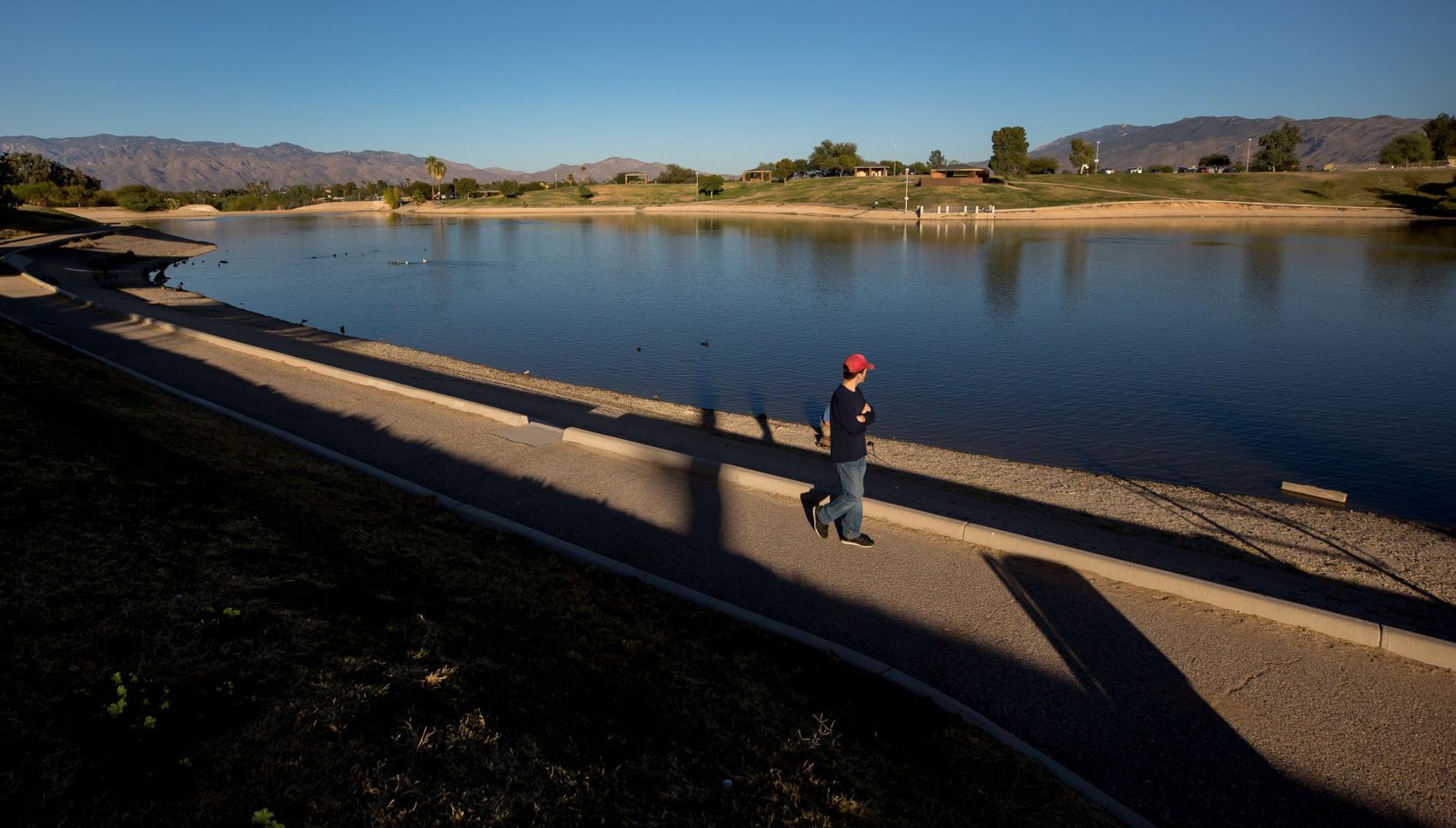
A person walks around the lake at Chuck Ford Lakeside Park, 8201 E. Stella Rd., in Tucson, Ariz. on Nov. 17, 2020. Chuck Ford Lakeside Park, an urban lake on the southeast side of town, is a popular spot for walking and fishing.

Rebecca Sasnett / Arizona Daily Star

Lakeside Park, Tucson

Lakeside Park, Tucson

While fishing with her family, Aziza Ramirez waits for a fish to bite her lure at Chuck Ford Lakeside Park, 8201 E. Stella Rd., in Tucson, Ariz. on Nov. 17, 2020. Chuck Ford Lakeside Park, an urban lake on the southeast side of town, is a popular spot for walking and fishing.

Rebecca Sasnett / Arizona Daily Star

Agua Caliente Park, Tucson

Agua Caliente Park, Tucson

Several resident ducks ply the waters of the main pond as sun sets at Agua Caliente Park, Tucson, Ariz., November 17, 2020. The park is one of the most popular bird watching sites in the county.

Kelly Presnell / Arizona Daily Star

Agua Caliente Park, Tucson

Agua Caliente Park, Tucson

Park goers stop for photos of a pack of javalina roaming the park just before sunset at Agua Caliente Park, Tucson, Ariz., November 17, 2020.

Kelly Presnell / Arizona Daily Star

Agua Caliente Park, Tucson

Agua Caliente Park, Tucson

A pack of javalina rush for the trees after getting spooked while nosing around the lawn for food at Agua Caliente Park, Tucson, Ariz., November 17, 2020.

Kelly Presnell / Arizona Daily Star

Agua Caliente Park, Tucson

Agua Caliente Park, Tucson

The sun goes down and the bats come out over the main pond at Agua Caliente Park, Tucson, Ariz., November 17, 2020.

Kelly Presnell / Arizona Daily Star

Agua Caliente Park, Tucson

Agua Caliente Park, Tucson

The island in the main pond has been renovated and the bridge completely replaced at Agua Caliente Park, Tucson, Ariz., November 17, 2020.

Kelly Presnell / Arizona Daily Star

Agua Caliente Park, Tucson

Agua Caliente Park, Tucson

A park patron and his dog stroll along the paths on the shores of the main pond at Agua Caliente Park, Tucson, Ariz., November 17, 2020.

Kelly Presnell / Arizona Daily Star

Agua Caliente Park, Tucson

Agua Caliente Park, Tucson

Some of the wetland vegetation is beginning to reassert a hold after months of work to restore and renovate the main pond at Agua Caliente Park, Tucson, Ariz., November 17, 2020.

Kelly Presnell / Arizona Daily Star

Agua Caliente Park, Tucson

Agua Caliente Park, Tucson

Bernie Kanavage and Toby take a break from their evening walk on the bank of the main pond at Agua Caliente Park, Tucson, Ariz., November 17, 2020. The main pond was recently restored, a major renovation that shut the park down for months in late 2019.

Kelly Presnell / Arizona Daily Star

Agua Caliente Park, Tucson

Agua Caliente Park, Tucson

A pair of park goers get close-ups from an obliging duck along the shores of the main pond at Agua Caliente Park, Tucson, Ariz., November 17, 2020.

Kelly Presnell / Arizona Daily Star

Agua Caliente Park, Tucson

Agua Caliente Park, Tucson

Sun set over the main pond at Agua Caliente Park, Tucson, Ariz., November 17, 2020.

Kelly Presnell / Arizona Daily Star

Santa Cruz River, Tucson

Santa Cruz River, Tucson

Water flows in the Santa Cruz River south of downtown Tucson, Ariz. on November 16, 2020. The addition of reclaimed water to the Santa Cruz River has hastened the return of wildlife.

Mamta Popat / Arizona Daily Star

Santa Cruz River, Tucson

Santa Cruz River, Tucson

A cyclist rides along The Loop as water flows in the Santa Cruz River near the Crossroads at Silverbell District Park, in Marana, Ariz. on November 18, 2020.

Mamta Popat / Arizona Daily Star

Santa Cruz River, Tucson

Santa Cruz River, Tucson

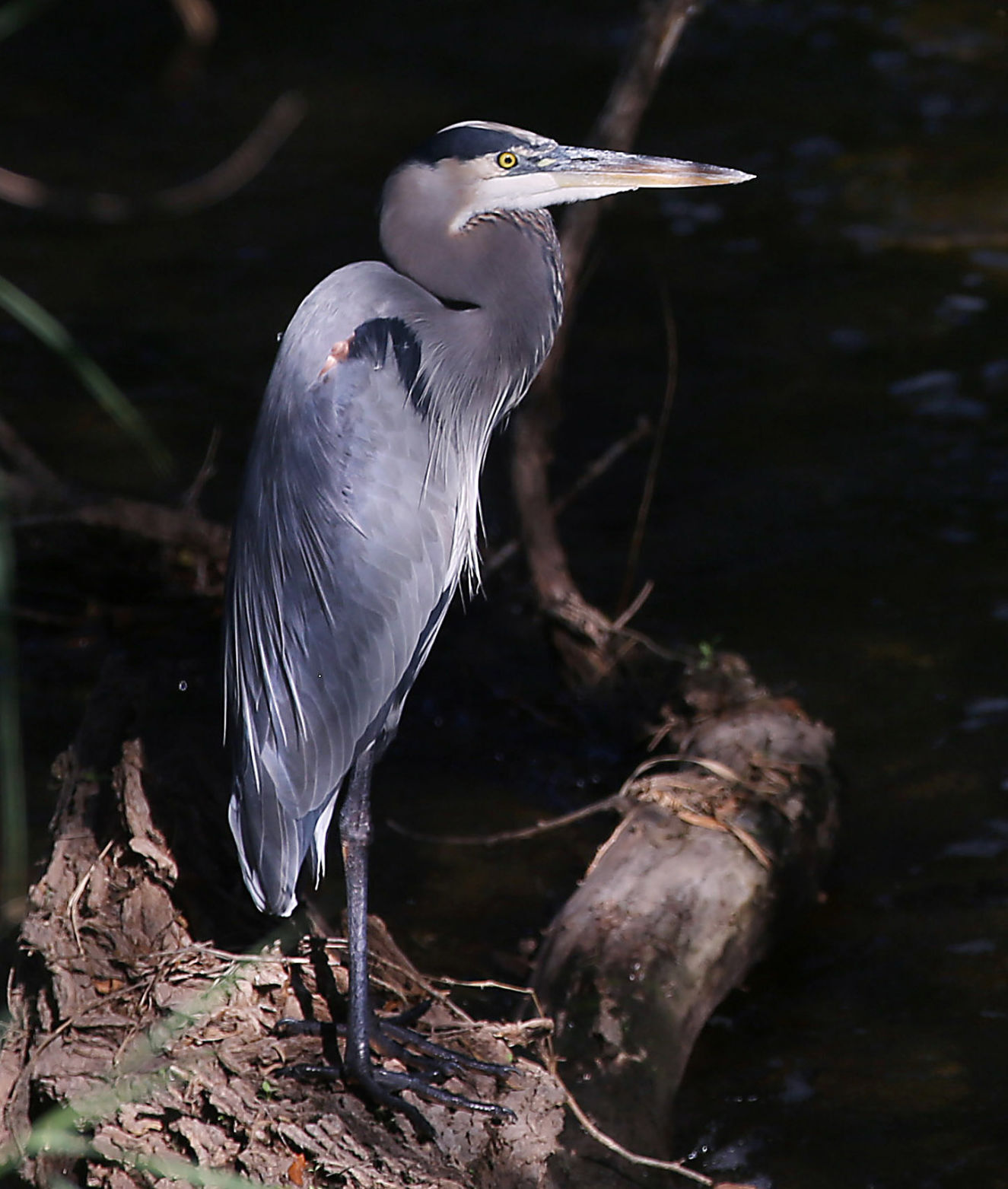
A heron sits by the water in the Santa Cruz River near the Crossroads at Silverbell District Park, in Marana, Ariz. on November 18, 2020.

Mamta Popat / Arizona Daily Star

Santa Cruz River, Tucson

Santa Cruz River, Tucson

Water flows in the Santa Cruz River south of downtown Tucson, Ariz. on November 16, 2020.

Mamta Popat / Arizona Daily Star

Santa Cruz River, Tucson

Santa Cruz River, Tucson

Water flows in the Santa Cruz River near the Crossroads at Silverbell District Park, in Marana, Ariz. on November 18, 2020.

Mamta Popat / Arizona Daily Star

Santa Cruz River, Tucson

Santa Cruz River, Tucson

Water flows in the Santa Cruz River south of downtown Tucson, Ariz. on November 16, 2020.

Mamta Popat / Arizona Daily Star

Santa Cruz River, Tucson

Santa Cruz River, Tucson

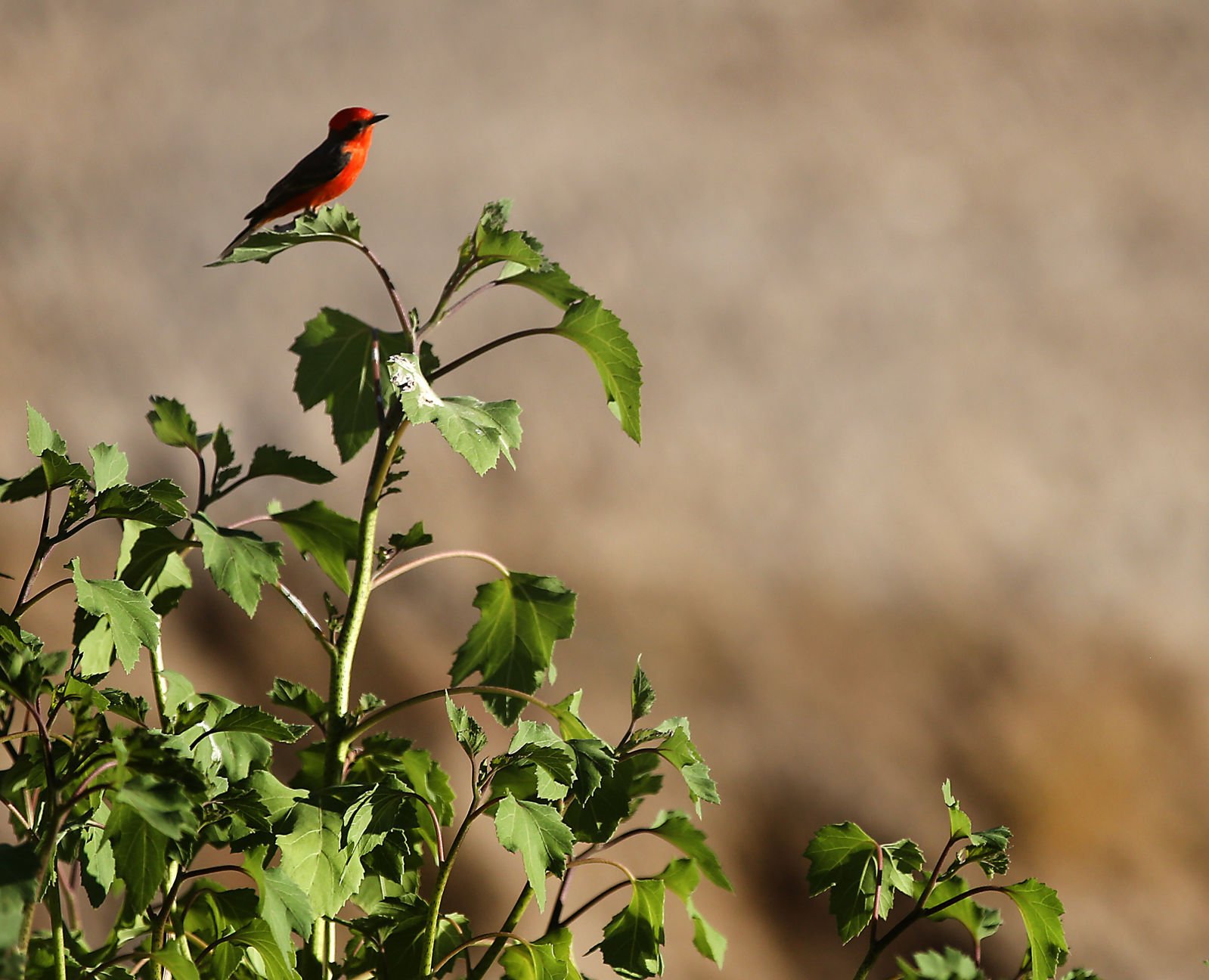
A Vermillion flycatcher rests on a branch along the Santa Cruz River south of downtown Tucson, Ariz. on November 16, 2020.

Mamta Popat / Arizona Daily Star

Santa Cruz River, Tucson

Santa Cruz River, Tucson

A bird rests on a branch of a tree along the Santa Cruz River near the Crossroads at Silverbell District Park, in Marana, Ariz. on November 18, 2020.

Mamta Popat / Arizona Daily Star

Santa Cruz River, Tucson

Santa Cruz River, Tucson

Water flows in the Santa Cruz River near the Crossroads at Silverbell District Park, in Marana, Ariz. on November 18, 2020.

Mamta Popat / Arizona Daily Star

Sweetwater Wetlands, Tucson

Sweetwater Wetlands, Tucson

Water flows near the entrance at the Sweetwater Wetlands, 2511 W. Sweetwater Drive, in Tucson, Ariz. on November 17, 2020.

Mamta Popat / Arizona Daily Star

Sweetwater Wetlands, Tucson

Sweetwater Wetlands, Tucson

Ducks swim in one of the bodies of water at the Sweetwater Wetlands, 2511 W. Sweetwater Drive, in Tucson, Ariz. on November 17, 2020.

Mamta Popat / Arizona Daily Star

Sweetwater Wetlands, Tucson

Sweetwater Wetlands, Tucson

Libby Sullivan, left, and Sue Bridgemon walk along one of the trails at the Sweetwater Wetlands, 2511 W. Sweetwater Drive, in Tucson, Ariz. on November 17, 2020.

Mamta Popat / Arizona Daily Star

Sweetwater Wetlands, Tucson

Sweetwater Wetlands, Tucson

Libby Sullivan, left, and Sue Bridgemon do some birdwatching at the Sweetwater Wetlands, 2511 W. Sweetwater Drive, in Tucson, Ariz. on November 17, 2020.

Mamta Popat / Arizona Daily Star

Sweetwater Wetlands, Tucson

Sweetwater Wetlands, Tucson

A duck flight at Sweetwater Wetlands, 2511 W. Sweetwater Drive, in Tucson, Ariz. on November 17, 2020.

Mamta Popat / Arizona Daily Star

Sweetwater Wetlands, Tucson

Sweetwater Wetlands, Tucson

Cattails grow near a body of water at the Sweetwater Wetlands, 2511 W. Sweetwater Drive, in Tucson, Ariz. on November 17, 2020.

Mamta Popat / Arizona Daily Star

Sweetwater Wetlands, Tucson

Sweetwater Wetlands, Tucson

Ren Sullivan watches a group of ducks at the Sweetwater Wetlands, 2511 W. Sweetwater Drive, in Tucson, Ariz. on November 17, 2020.

Mamta Popat / Arizona Daily Star

Sweetwater Wetlands, Tucson

Sweetwater Wetlands, Tucson

Sunlight breaks through the trees at the Sweetwater Wetlands, 2511 W. Sweetwater Drive, in Tucson, Ariz. on November 17, 2020.

Mamta Popat / Arizona Daily Star

Reid Park, Tucson

Reid Park, Tucson

James DeDitius points at ducks as he sits with caregiver Mary Figueroa on a bench next to a lake at Reid Park, on March 17, 2020.

Josh Galemore / Arizona Daily Star

Reid Park, Tucson

Reid Park, Tucson

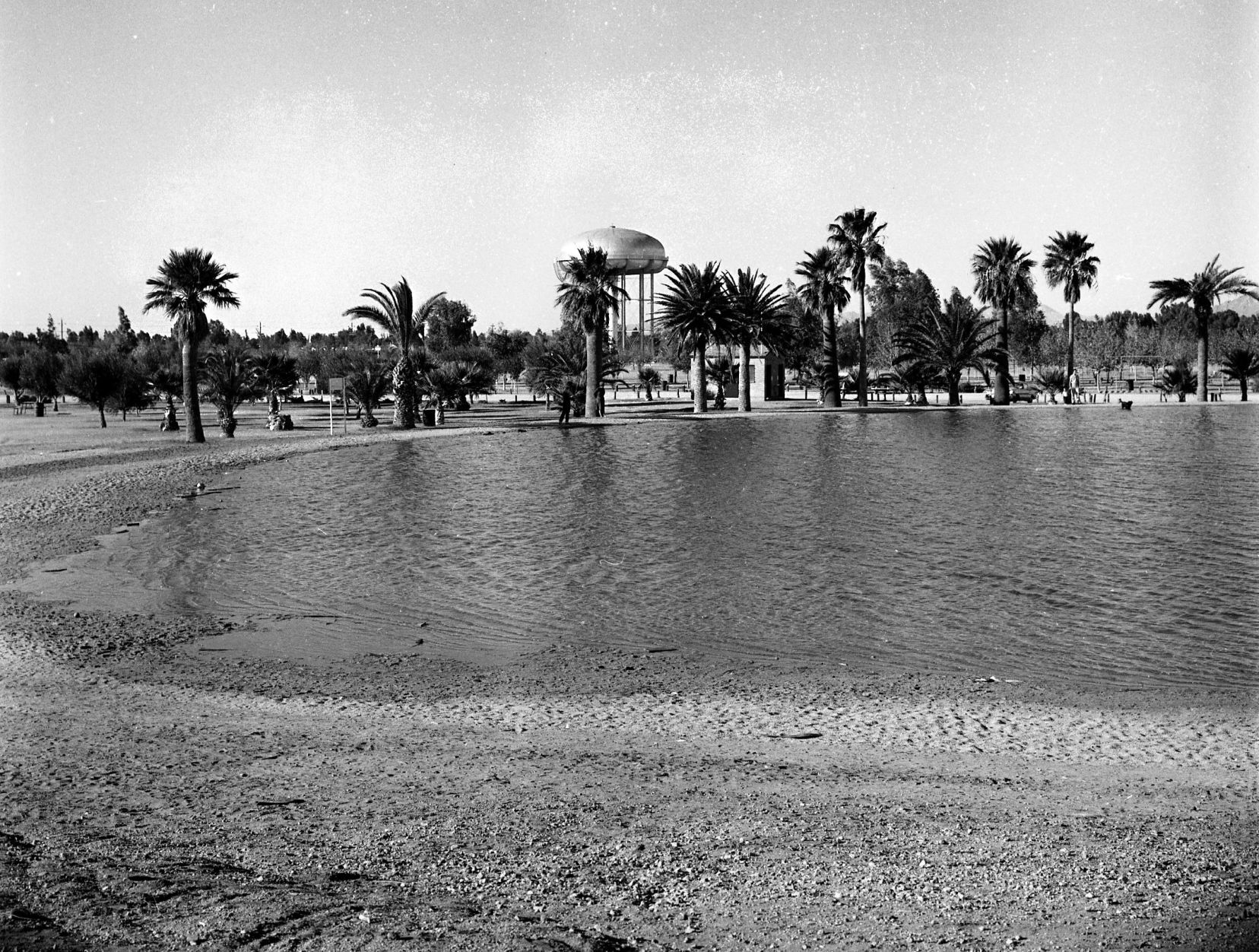
The city's new 4.5 million gallon lake and storage basin at Randolph (now Reid) Park, Tucson, in December, 1959.

Tucson Citizen

Silverbell Lake, Tucson

Silverbell Lake, Tucson

The Arizona Game and Fish Department brought in 14,300 pounds of catfish from Arkansas to restock 21 lakes in the Core Community Fishing Program in Tucson and Phoenix. These catfish were dumped into Silverbell Lake on April 03, 2015.

Mamta Popat / Arizona Daily Star

Silverbell Lake, Tucson

Silverbell Lake, Tucson

Jim Skay fishes at Silverbell Lake, on March 13, 2020.

Josh Galemore / Arizona Daily Star

Silverbell Lake, Tucson

Silverbell Lake, Tucson

In this 2016 photo, Nathaniel Ortega, left, grins while his grandfather Michael Ortega helps remove a fish from his line during a fishing clinic at Silverbell Lake, located in Christopher Columbus Park at 4600 N. Silverbell Rd. in Tucson, Ariz. Nathaniel's catch was the first catfish of the day.

Alex McIntyre / For the Arizona Daily Star

Sahuarita Lake

Sahuarita Lake

A person walks along Sahuarita Lake on March 5, 2020.

Josh Galemore / Arizona Daily Star

Sahuarita Lake

Sahuarita Lake

Ted Moreno reels in a line while fishing at Lake Sahuarita, on March 5, 2020. Moreno, who lives in Tucson generally goes between Lake Sahuarita and Kennedy Lake to fish for trout during the fall and winter months.

Josh Galemore / Arizona Daily Star

Sahuarita Lake

Sahuarita Lake

Sahuarita Lake in the town of Sahuarita south of Tucson is popular with anglers, walkers, cyclists and others and its waters range from dazzling blue to aquamarine depending on the light.

Doug Kreutz / Arizona Daily Star

Sahuarita Lake

Sahuarita Lake

In this 2001 photo, Dan Hampshire works on the top designs of a 34-foot monument tower at the entrance to Rancho Sahuarita, an 8,000 home project on 2,500 acres that includes a yet-to-be-filled 10-acre lake (in background).

Aaron J. Latham / Arizona Daily Star

Sahuarita Lake

Sahuarita Lake

In this 2013 photo, a couple walk around Sahuarita Lake Park, 15466 S. Rancho Sahuarita Blvd.

Mike Christy / Arizona Daily Star

Tucson to make decision on raising water bills for unincorporated residents

Tucson City Council is set to make a decision Tuesday on raising water rates for more than 71,000 residents of unincorporated Pima County.

Council members unanimously voted to begin the process at an April 6 meeting when they gave notice of their intention to hike rates for some Tucson Water customers. On Tuesday, they will host a public hearing on the issue and will have the option to implement a rate change and set the cost increase, decide to not implement a rate change or hold off on making a decision until a future meeting.

Mayor and council will also consider public outreach gathered from two town halls and a survey, as well as guidance from Citizens’ Water Advisory Committee, or CWAC, a group established in 1977 to advise City Council on water resource planning for citizens in and outside city boundaries.

The rate increase would not affect Tucson Water customers in jurisdictions such as Oro Valley, Marana and South Tucson, but rather unincorporated county areas including the Catalina Foothills and Avra Valley. The proposed rate changes range from a flat 10% to 50% increase or a 5%, 10% or 15% increase with a higher tiered-cost based on water usage.

The city says it takes more water, and more water infrastructure, to serve unincorporated areas. According to city staff, 29% of Tucson Water customers live in unincorporated Pima County and 36% of the utility’s pipelines serve these areas. They also say unincorporated residents use 43% more water than city customers.

But CWAC is recommending mayor and council hold off on making a decision until fall. They say a solid incentive has not been identified to justify the rate increases, and it’s not clear what the additional revenues would be used for.

Determining the cost

Tucson never conducted a cost of service study to determine how much money it takes to provide water to unincorporated jurisdictions as opposed to the city. Mark Taylor, the chair of CWAC, says this would provide some much needed justification for rate hikes.

In his 10 years serving as a member of CWAC’s finance subcommittee, Taylor says cost of service studies have always been used to determine rates.

“We haven’t been provided any information or any cost of service study that shows it costs more to provide water to the county residents,” he said. “If that cost of service study was done, I doubt we’ll find that there’s any more additional costs on the county residents than they’re already paying.”

But others argue providing water to unincorporated areas does cost more. Ed Hendel, a member of CWAC appointed by Mayor Regina Romero and founder of Our Water Tucson, a coalition formed to advocate for differential rates, says pumping water to unincorporated areas in higher elevations not only costs more, but takes more energy.

“We get (Colorado River) water, we pump it uphill into the Catalina foothills, so we’re pumping the water uphill to them,” he said. “Water is really heavy, you’re fighting physics here. It’s very, very expensive and energy inefficient to pump that water uphill.”

While the city’s exact reasoning for the rate hike is not clear, the foundation of Hendel’s support for the rates has to do with climate resiliency. He argues differential rates would help conserve water by incentivizing unincorporated residents to use less water to lower their bills and may also deter new development outside of the city.

“We’re bulldozing the desert and then building houses there and putting new water lines out there, which spreads our dwindling water supply thinner and thinner,” Hendel said. “Reining in sprawl and protecting the environment are some very important results of implementing differential rates.”

Unincorporated residents opposed

Many unincorporated residents have voiced their opposition to the rate hike. The survey gauging residents’ preferences on differential water rates will close the end of Tuesday, but as of Friday, 80% of nearly 2,000 respondents have said they are “very opposed” to the idea. Of the respondents, 76% said they live in the “greater Tucson area” instead of within city limits.

Unincorporated residents have also called into the city’s town halls on differential rates with a recurring complaint: They have no real say in the water decisions being made on their behalf.

The City Council will ultimately determine what unincorporated residents will pay for their water, but these residents don’t have any representation on the council.

“There’s a large portion of the Tucson Water customers that have nobody to elect and have no representation when it comes to rates,” Taylor said. “They can go and essentially change the rates dramatically, and county residents have no place to vote to say, ‘No, that’s unfair. I’m going to vote you out.’ This is the standard taxation without representation.”

But Tucson Water is not obligated to be the regional water provider, and Hendel argues the increased rates would be a step toward resolving an unfair practice.

Tucson “owns the water, and we’re giving them our water for unfairly low prices, essentially subsidizing their water,” he said. “It’s not a fair, equitable policy. It’s not a matter of taxation without representation; we’re giving you our water, and we’ve been giving it to you for way less than we should, so we’re going to fix that.”

Considering the firm opposition voiced by many unincorporated residents, Taylor thinks implementing the rate hikes would worsen the already growing rift among Tucson Water’s customers.

“There’ll be a lot of pushback by their county customers, and that’s a potential to divide their customer base into two classes. I would hate to see that happen,” he said. “It’s important for the Tucson Water customers to be treated equitably between all of them, and not break them into two different groups or two different classes. I think it’s a potential to divide the customer base of Tucson Water. “

Where would the revenues go?

CWAC has also taken issue with the city failing to identify what the revenues from the higher rates would be used for.

Some proposed uses of the extra funds so far include keeping the money within the utility to improve infrastructure, paying down existing debt and providing low income assistance programs.

“For us to do an evaluation of a moving target and an undefined request, we thought it was best to say, ‘Why don’t you define what you want to do, then give us and the rest of the public an opportunity to evaluate it?’” Taylor said.

While mayor and council have not identified what the funds would be used for, Hendel says the CWAC advisory board should be proposing options and claims his solution would solve the issue of increased rates for families struggling financially.

Hendel’s platform with Our Water Tucson is proposing raising unincorporated rates by 40% and using the money to help low-income families by canceling their water bill debt, lowering their water bills altogether and offsetting increased rates for low income families in unincorporated areas.

“The reality is if the Our Water Tucson platform is passed, low income families in unincorporated Pima County will see the new rates fully offset,” he said. “It’s really the wealthier families and businesses that can afford to pay.”

Ultimately, the majority of CWAC members are hoping mayor and council delay making a decision until more information about the cost of providing water to unincorporated jurisdictions is gathered and a clear reasoning for making certain residents pay more for water is identified.

“I think it would help the community, and it would give everybody, including the City Council, more information on why they’re doing this,” Taylor said. “I think a good definition of why they’re asking for the differential rates, what is the true need, and what they want to accomplish would help everybody determine whether it’s the proper decision or not.”

The public hearing on differential rates will be held at City Council’s regular meeting at 5:30 p.m. Tuesday, June 8. The meeting will be livestreamed on the city of Tucson’s YouTube channel.

Residents in unincorporated Pima County facing higher water bills

The city of Tucson is considering raising water rates for residents living in unincorporated Pima County, but opinions are divided on the resolution that would result in a utility hike for nearly a third of county residents.

The Pima County Board of Supervisors voted 3-2 Tuesday to oppose differential water rates while recommending Tucson provide regional water service to all county residents. Supervisors Adelita Grijalva and Matt Heinz opposed the motion.

Later on Tuesday night, Tucson’s mayor and council voted unanimously to create a notice of its intent to raise unincorporated residents’ water rates by up to 50% without yet deciding what the increase will be or what the excess revenues will fund.

Initial considerations held unincorporated residents’ water bills could increase by 10% to 30%, but mayor and council revised the increase cap to 50%. Towns such as Marana, Oro Valley and Sahuarita would not be affected.

While supporters of Tucson Water rate increases for unincorporated residents say the action would be in line with other Arizona cities and increase Tucson’s share of state tax revenues, the opposition maintains the move would be unfair to affected residents and that the reasoning behind it is unfounded.

Would a water rate hike encourage annexation?

The city of Tucson is considering raising water rates for about 28% of its customer base living in unincorporated county limits. Some say increasing rates could encourage annexation and ultimately increase Tucson’s portion of state shared revenues.

Timothy Thomure, interim assistant city manager, argues the amount of Arizona’s shared tax revenues jurisdictions receive favors populations within municipalities. He estimates Tucson is losing out on up to $50 million a year for the population it serves outside of the incorporated county.

Adopting higher water rates for unincorporated residents could incentivize them to join Tucson’s incorporated jurisdiction, allowing it to receive a higher share of the state’s taxes, Thomure reasons.

Furthermore, Thomure points out Tucson is one of the only cities in the state offering universal water rates. Cities such as Phoenix, Chandler, Yuma and Flagstaff charge higher water rates for residents outside their jurisdictions.

Tucson’s Citizens’ Water Advisory Committee — a group established in 1977 to advise mayor and council on water resource planning for citizens in and outside city boundaries — began reviewing the issue at the council’s direction in early January. Ultimately, 10 members opposed differential rates while five members supported it.

The committee recommended the mayor and council vote against the rate hike.

Members weren’t able to find evidence differential rates in other state jurisdictions encouraged annexation, and those supporting differential rates didn’t mention annexation in their reasoning.

“It was generally believed that differential rates would not incentivize annexation,” the committee wrote in a letter to mayor and council. “It was also felt that many areas seeking annexation in Pima County would not be able to annex based upon their location, or if they were eligible to annex, would not be incentivized by higher water rates to do so.”

The advisory committee also held annexing unincorporated jurisdictions for the sake of increased tax revenue is not a realistic goal. Instead, the city may end up paying more for regional services it would have to provide to a larger population.

County Supervisor Rex Scott portrayed the annexation argument as baseless in the motion he brought before the board.

“It’s a misguided effort to encourage either annexation or incorporation,” he said. “Differential water rates would not encourage either annexation or incorporation, it would actually discourage them.”

Supervisor Steve Christy joined the majority of the board on the issue and said using annexation to support water rate increases is “blackmail” and “a power grab” by the city.

The majority of advisory committee members found providing water services to residents in unincorporated county areas doesn’t cost more than doing so in incorporated areas. In fact, some areas within Tucson have a higher cost of service due to high elevation levels.

“It was stated that delinking rates from cost of service, and thereby charging an arbitrary higher rate for those customers in unincorporated Pima County, would not only be divisive, but would establish a dangerous precedent as well,” the committee wrote in its letter.

The minority of committee members in support of the action suggested differential rates could create funds to support low-income households affected by increased water costs.

In Tuesday’s board of supervisors meeting, Grijalva said this influenced her decision to vote against the motion.

“The differential rates, if charged, that revenue is available to help low-income customers who are behind in payments and struggling to make them,” Grijalva said. “Right now, the current Tucson Water policy really just serves that differential and the low-income rate to city of Tucson residents. This would open up to all Pima County.”

Environmental considerations

According to the city, about 90% of Tucson’s water comes from a blend of groundwater and Colorado River water sourced from the Central Arizona Project, a 336-mile canal that diverts the water to Arizona.

As climate change is expected to draw down the Colorado River’s water supply, the rate hike supporters on the water advisory committee argue increased water utility costs could encourage conservation.

However, opponents argue rising water rates will promote other domestic water service options that rely on groundwater.

“Instead of incentivizing renewable water resources, the Tucson Water service area policy will likely promote increased reliance on groundwater dependency,” Scott said. “Consequently, without access to renewable water resources, expansion areas and unobligated areas will contribute to declining local groundwater levels.”

The disruption of a long-held water policy

While the change in water rates would disrupt a more than 40-year-long city and county joint water policy, it may also violate a long-held agreement between both entities.

The city and county entered into an intergovernmental agreement in 1979 that held the city would provide water services while the county would handle sewer service.

When the city entered the agreement, it included 78% of land in unincorporated Pima County as its proposed service area, which was used to determine its water allocation from the Central Arizona Project.

“The 1979 (intergovernmental agreement) made no reference to either limited service area or differential rates,” a policy report from the county states. “It further established that the City will endeavor to use effluent in such a manner as to preserve the underground water supply and minimize costs to water rate payers in City and County.”

Where would the money go?

While no set rate hike has yet been determined, unincorporated county residents’ water utility bills could increase by up to 30%.

The advisory committee said the members who supported the rate increase couldn’t come to a consensus on the proposed increase, but their suggestions ranged from 10 to 30%.

Tucson estimates a 10% increase would result in a revenue increase of about $5 million, a 20% increase would create $10 million and a 30% increase would generate $15 million.

Many committee members expressed the increased revenue should be used for water-related infrastructure. City staff’s recommendations for the use of increased water utility rates include keeping the funds within Tucson Water and dividing funds between water infrastructure, low-income household water utility assistance and climate resilience projects.

Political Notebook: Videos from past shed new light on Finchem as he faces recall

State Rep. Mark Finchem has been in front of a lot of cameras in recent months — sometimes on purpose, and other times by accident.

Those appearances might be starting to hurt him as he faces a recall effort, though Finchem is trying to use political alchemy to turn criticism into support.

Video that emerged on social media this week shows that Finchem was wrong when he said in January he was no closer than 500 yards to the Capitol during the insurrection on Jan. 6. He was much closer.

Another video that emerged this week shows Finchem echoing QAnon talking points about powerful pedophile networks, something he has not normally talked about in public.

The first video was unearthed by so-called “sedition hunters” online. Using social media accounts, these people have been collaborating to use publicly available video and images to identify people who committed crimes at the Capitol on Jan. 6. More recently stepped up efforts to find Finchem in the video and photos from that day.

In the days after Jan. 6, Finchem said he never entered the Capitol or committed any crimes. In a Jan. 9 text message he said, “The closest I ever got to the Capitol building was about 500 yards away.” In later interviews, he said “300 to 500 yards.”

The quality of the @GettyImages video was high enough that it allowed me to zoom in and capture these five screenshots of the man who appears to be Arizona lawmaker Mark Finchem as he made his way through the crowd on Jan. 6 at the US Capitol. pic.twitter.com/PRbTMMRGBn

— Nick Martin (@nickmartin) June 1, 2021

But the video, spotted online by a person who goes by the nickname “Common D’Mominator” on Twitter, shows Finchem walking through a crowd roughly 100 yards from the east Capitol steps. He does nothing untoward in the picture and is walking in a direction that would take him away from the Capitol.

At about the same time, protesters were breaching and entering the Capitol building. Also around the same time, text messages previously released by Finchem show that a Stop The Steal event organizer told him, “They are storming the Capitol. I don’t think it safe.”

State Rep. Mark Finchem

Finchem

Capitol Media Services

While the Capitol video shows Finchem was closer than he earlier said, an interview he did for the Christian network Victory Channel is perhaps even more revealing. In the March 4 interview, shown by CNN in a story this week, he says this to host Greg Stephens:

“We’ve got a serious problem in this nation, and that’s one of the things that disturbs me so much about our current congressional state of affairs. There’s a lot of people involved in a pedophile network and the distribution of children. And that makes me absolutely sick.

“That is the war that we should be fightin’, here domestically, rooting that out and finding every single person who’s involved in that kind of behavior. Unfortunately there’s a whole lot of elected officials that are involved in that.”

No matter how much negative attention he receives, though, Finchem tries to use it as material to fire up his supporters in his run for the GOP nomination for Arizona secretary of state. In his latest daily fundraising email, the subject line is “They literally hate my guts”.

In it, he says, “The Leftist Media is coming after me because they know I am the single biggest danger to their election-stealing operation.”

For the record, there is no evidence of any “leftist media election stealing operation,” nor of a “pedophile network” populated by “a whole lot of elected officials.”

Finchem opponents are attempting to recall the Oro Valley Republican and must gather 27,000 signatures from registered voters in Legislative District 11 by July 8.

— Tim Steller

Some harsh words for water group

When Tucson’s Citizens’ Water Advisory Committee met Wednesday to discuss the City Council proposal to hike water rates for Tucson Water customers outside city limits, it was met with an outburst from a council member who is the proposal’s leading advocate.

Councilman Paul Cunningham started off his commentary politely, thanking the members of the committee, known as CWAC, for their service and adding, “I really appreciate all the things you do for the city.”

After listing reasons why he believes charging differential water rates to unincorporated Pima County residents would be fair, and why Tucson has been put in an unfair position by Pima County, Cunningham raised his voice.

Tucson Councilman Paul Cunningham

Cunningham 

Rick Wiley / Arizona Daily Star 2017
Paul Cunningham speaks at CWAC meeting
Tucson City Council Member Paul Cunningham's comments at the June 2 Citizens' Water Advisory Committee Meeting.

“This is the most unfair situation of all time. We should be charging 50% more, but my proposal was $4.88 a month to try to at least bring some equity into the system,” Cunningham said. “The fact that it’s been met with members of CWAC, who are supposed to be experts in this, who don’t know what the hell I’m talking about, why are you on CWAC then?”

CWAC Vice Chair Alison Jones interjected with an “excuse me,” to which Cunningham responded, “No, it’s my time to talk. I’ve listened to this group gripe about me and about this program. And I’ve been very, very forthcoming and honest about the whole thing.”

Later in the meeting, Cunningham apologized, saying, “I’m sorry, I got a little heated. That’s on me.”

Placido dos Santos, a CWAC member, said Cunningham’s candor came across as “quite offensive,” but he also called it helpful.

“It demonstrates the profound divisiveness and controversy that surrounds this issue,” dos Santos said.

— Nicole Ludden

Liberals take swipe at Sinema

Amid a national debate about voting laws, liberal groups and news media personalities are slamming Sen. Kyrsten Sinema, D-Ariz., for saying the filibuster “protects the democracy of our nation” during a visit to Tucson on Tuesday.

Sinema’s comments showed up in national news coverage and cable news shows, including the MSNBC show hosted by Joy Reid, who said Wednesday that Sinema spoke “like someone who frankly has the luxury of not being personally impacted by these oppressive laws.”

In a less direct swipe at Sinema, a slew of liberal groups, including Progress Arizona, wrote a letter to Senate Majority Leader Chuck Schumer on Thursday calling for the end of the filibuster.

They cited the failure of the Senate to create a commission last Friday to study the Jan. 6 riot at the Capitol, along with efforts by Republican-controlled state legislatures to “attack voting rights and play partisan games with their election laws.”

“We call on you and the Senate Democratic caucus to eliminate the filibuster as a weapon that Sen. McConnell can use to block efforts to defend and strengthen our democracy and make our government work for the American people,” the letter stated.

Despite a 54-35 vote in favor of creating the commission, the bill failed to get the 60 votes needed to break a filibuster. Sinema was one of 11 senators to miss the vote, of which nine were Republicans. During her visit to Tucson on Tuesday, Sinema said she missed the vote due to a “personal family matter.”

The only other Democrat to miss the vote, Sen. Patty Murray from Washington, also said she had to attend to a “personal family matter,” the Seattle Times reported.

Both Murray and Sinema publicly supported the creation of the commission. Sinema on May 25 called the commission a “critical step to ensuring our nation never has to endure an attack at the hands of our countrymen again.”

The main difference between the two was that Murray issued a statement the day of the vote, while Sinema did not provide an explanation of any kind for missing the vote until a reporter asked her about it during her visit to Tucson.

Kyrsten Sinema

Sen. Kyrsten Sinema, shown in Tucson on Tuesday with Republican Sen. John Cornyn of Texas, says a “personal family matter” kept her from voting last week on establishing a bipartisan commission to investigate the U.S. Capitol riot.

Rebecca Sasnett, Arizona Daily Star

— Curt Prendergast

Pima County Administrator Chuck Huckelberry and members of Tucson’s Citizens’ Water Advisory Committee — a group established in 1977 to advise mayor and council on water resource planning for citizens in and outside city boundaries — have questioned this methodology since Tucson Water doesn’t consider rates of return when setting current water rates.

“Personally, I considered the rate of return was more appropriate for a private water company, that somebody needs to make a profit, have some formal rate of return,” said Mark Taylor, the chair of the advisory committee. “I didn't think it was an appropriate methodology. I think another company could have done a different methodology and come up with a different number.”

But Smith says this is a common way municipalities determine differential rates.

“That's kind of a misconception on the part of a lot of people, that this utility basis is only used by investor-owned utilities or private water companies,” Smith said. “It's very common in the industry, throughout the country, for a municipal utility to calculate both outside city rates and wholesale rates using the utility basis.”

City residents considered “owners”

According to Tim Thomure, interim assistant city manager, the rates of return considered in the study represent a risk the city bears that unincorporated residents do not.

“There's risk that is taken by the city and that risk is only borne by the owners, which are the city residents,” he said. “Noncity residents do not contribute directly to the insurance policies or the ultimate backup of the operation of the utility to the same degree that city residents or owners do. It's an ownership, nonownership discussion.”

Huckelberry has taken issue with the notion only city residents own Tucson Water, as all ratepayers support the utility.

“The entire utility debt and risk is held by ratepayers and not residents of the municipality,” Huckelberry wrote in a letter to the advisory committee on Sept. 8.  “In the event of a force majeure, the city of Tucson would secure mitigating debt against future revenues generated by ratepayers, thereby leaving Tucson Water residents in the unincorporated areas as exposed as Tucson resident ratepayers.”

A force majeure occurs when unforeseeable, unavoidable circumstances prevent someone from fulfilling a contract. 

But Thomure said “any default on the finances of Tucson Water, if it should happen, that falls on the city, that doesn't fall on all customers.”

And according to Smith, “it is common practice within the water industry to consider customers located outside the corporate limits of the owning municipality to be non-owners.”

Huckelberry also points to the city’s intergovernmental agreements with the Pascua Yaqui Tribe, the Tohono O'odham Nation and Tucson Unified School District that exclude the entities from higher water rates, even though they own land in unincorporated areas.

“We charge the differential water rates based on policy, but not if it's in violation of a contract or an (intergovernmental agreement),” Thomure said.

Study concerns

District 1 Supervisor Rex Scott, who represents many constituents residing in unincorporated areas, shares Huckelberry’s concerns about the cost of service study.

“The cost of service study that was done by the city, I think is inadequate, and doesn't look at cost of service throughout the Tucson water service area,” he said. “It cherry-picks information to justify something that the city has been intending to do all along.”

The city adopted a 10% base rate increase before conducting a study to determine if that figure adequately reflects how much more it costs to serve unincorporated residents.

“I think the only reason that they did the cost of service study was because they were advised after the fact to do so by the city attorney's office,” Scott said.

City Councilman Paul Cunningham, a staunch proponent of differential rates, says if anything, the cost of service study didn’t do enough to illustrate the strain on city water customers for paying the same rates as unincorporated residents.

The city says increasing water rates could encourage annexation and ultimately increase Tucson’s portion of state shared revenues. Thomure estimates Tucson is losing out on up to $50 million a year for the population it serves outside of the incorporated county.

“There's no way we can produce a study that will satisfy (the county), no matter what happens,” Cunningham said. “I think our study didn't cover enough data that shows how the city residents are taking a higher burden.”

The advisory committee reviewed the cost of service study in October but didn’t take a vote on a recommendation to City Council before it officially set the rates Oct. 19. However, many committee members expressed concern about the study.

“Is there really a difference in cost of service between the two regions? I'm not sure this report really showed the true case whether there is or not," Taylor said. 

But as the county considers suing the city over differential water rates, Taylor’s biggest concern is a growing rift between two regional partners.

“This has definitely divided us even further. It's divided the City Council with the Board of Supervisors, and it even divided the ratepayers within the Tucson Water system into two classes,” he said. “To me, this is not the time to divide Southern Arizona. I think that was one of our big concerns, and I'm afraid that's definitely showing.”

Thomure said he can’t comment on the county’s “intent to pursue legal action,” but said the differential rates’ implementation was “done in compliance with state law.”

“(The cost of service study) does demonstrate, first and foremost, that there is a differential cost,” he said. “And secondly, depending on the amount of rate of return that one would assume, it also demonstrates that what mayor and council already decided is very fair and reasonable.”

Tucson Water users and other ratepayers won't feel the cost bite of latest CAP water cut

A new plan to use less Colorado River water will cost the Central Arizona Project more money, but water ratepayers in the Tucson and Phoenix areas won’t feel much of the sting — at first.

CAP’s governing board voted Thursday to adopt a preliminary version of a new plan to conserve 500,000 acre-feet of water annually.

It opted to stick a bit more than 75% of the cost of doing that onto property taxes paid in Pima, Maricopa and Pinal counties. Every year, landowners in those counties pay four cents per $100 in assessed value of their properties to contribute toward repaying part of the federally financed CAP’s $4 billion construction cost.

The rest of the additional costs will come from urban and suburban water ratepayers, who will feel a slightly higher bite on their water bills.

Board members described the latest water saving plan as an emergency measure. It’s aimed at preventing Lake Mead from falling to catastrophically low levels after two years of arid weather caused it to drop much more than forecasters expected.

But the board warned these cost-sharing proportions are only guaranteed to last through 2022 and 2023. Those years will start what’s likely to be at least a five-year program of saving that much water annually.

“I don’t think that anybody feels this is just a two-year problem,” CAP board president Terry Goddard said at Thursday’s board meeting in Phoenix.

After 2023, it’s likely, if not very likely, that water ratepayers will be required to pay more of the tab, CAP board members said.

The costs at stake are not inconsiderable. The CAP board has agreed to spend $20 million in 2022 and 2023 to compensate farmers, tribes and some urban users for giving up some of their water to leave in Lake Mead. That’s out of a $200 million total cost of the entire, 500,000 acre foot water saving program — costs to be shared by Arizona, California and the U.S. Bureau of Reclamation.

The CAP hopes to cut its water use by 193,000 acre-feet for each of those two years. That’s on top of 512,000 acre-feet it had already planned to cut because of a previously declared Colorado River shortage that will also start next year. By comparison, the Tucson Water utility uses about 100,000 acre-feet a year, mostly of CAP water.

The water project must also spend $13 million more in higher water costs in the next two years to make up for the fact that having less water to sell to the same number of cities and other customers will require paying more per acre-foot of water.

The purpose of leaving the water in Lake Mead is to prop up the lake, now deemed in danger of falling to precipitously low levels by 2026 at the latest. The lake fell 16 feet in the past 12 months through November, to about 1,065 feet. Since January 2020, it’s fallen 29 feet.

The most recent five-year, federal projection shows that without the new 500,000 acre-foot savings, there’s a 62% chance of Mead falling below 1,025 feet and a 22% chance of it dropping below 1,000 feet by 2026. At 895 feet, Mead would hit “dead pool,” at which water couldn’t be removed from it to serve farms and cities in the Colorado River Lower Basin states of Arizona and California.

At Thursday’s CAP board meeting, several members said they believe water ratepayers should already be paying more for the latest conservation program.

But members, including Goddard, of Phoenix, and Vice Chairman Mark Taylor, of Tucson, generally agreed that it wouldn’t be wise to impose “rate shock” from a sudden, stiff water rate increase taking effect early next year.

As it is, CAP had already raised rates to urban water users, including those in Tucson, from $104 per acre-foot in 2021 to $137 per acre-foot in 2022. That increase is to cover extra costs triggered by the already planned, 512,000-acre-foot cutback in water deliveries. The board’s latest vote to start the new round of cutbacks will boost the water rate another $7, to $144 an acre-foot.

As of now, Tucson Water hasn’t yet proposed any changes in its water rates to reflect the higher cost of CAP water, utility spokesman James MacAdam said Friday. But some increases could come in the future.

The utility’s current financial plan anticipated the pending increases in CAP costs that are due to implementation of the Drought Contingency Plan, he said, adding, “Generally, these CAP price changes are no surprise.”

“As we evaluate our financial plan for the next five years, staff will evaluate whether any water rate or fee changes may be needed,” and the utility’s CAP charge to users of drinking water could be impacted by increased CAP costs, MacAdam said.

The already planned cutback, called a “Tier 1” shortage, affects mainly Pinal County farmers. It has been in the works since early 2019 when the basin states approved a seven-year drought contingency plan also aimed at helping Lake Mead.

By contrast, the latest, 500,000 acre-foot cut is “totally new,” said Goddard, a former Arizona attorney general. “We really knew the Tier 1 was coming for 10 years. All the additional costs due to Tier 1, that was fully anticipated. There was no surprise.”

The new water saving plan, known as “500 plus,” was first discussed in August, and “that was a surprise,” Goddard said in an interview on Friday.

Those discussions started after the Bureau of Reclamation predicted that even with the 2019 drought plan in place, Lake Mead could, under one scenario, fall to 1,030 feet by summer 2023. That forecast triggered the Lower Colorado River Basin states — California, Arizona and Nevada — to start meeting to plan additional cuts in water use beyond those prescribed by the 2019 drought plan.

“I think all of us believe that generally, most of the cost for operations and maintenance and even ... conservation should in the end be generally supported by rates, although I think some should come from taxes,” Taylor said Friday.

“The positive effect of CAP goes way beyond the use of water — it affects the growth of this region. Everyone benefits from CAP, not just the people who drink it, and around 20% of costs of (operating) CAP comes from taxes,” Taylor said.

CAP officials try to give ratepayers an opportunity to prepare for major rate increases, because “we know it takes time for municipalities to raise their rates, to go through the mayor and council,” he said.

If all of the new, higher costs had been put on ratepayers for 2022, “that would have been a rate shock, especially for cities that may not have reserves for it,” Taylor said.

But at Thursday’s meeting, the board altered one CAP staff recommendation in a way that transferred some of the costs from taxpayers to ratepayers.

Also, when the board voted unanimously to authorize $10 million in new spending for the “500-plus” plan from taxpayer-funded reserves, it added a sentence saying this decision “is not intended to set a precedent.”

Board member Jim Holway noted that Arizona officials had already agreed to dip into their budget to pay $40 million to support this new plan. With that, plus the financing plan the CAP staff recommended, ratepayers would only pay a few percent of the increased costs due to the latest water cutback, he said.

“I cannot fathom any justification for that split,” Holway said. “We’re looking for a clear signal to adjust who pays for this over the long term.”

Every time the region has a major drought, the water rate charged to municipal and industrial CAP users should go up, said CAP board member Mark Lewis.

The CAP board spent almost a decade trying to “bend the curve” in water use to avoid a 20-year downturn in reservoir levels, he said.

“We careened from crisis to crisis without bending the curve. One way to avoid crisis is to bend water rates to encourage conservation,” Lewis said. “We haven’t done it. Cities are part of the problem. They won’t admit their rate structure is unsustainable and they’re constantly looking for Band-Aids.”

At the meeting, Warren Tenney of the Phoenix-based Arizona Municipal Water Users Association said his group supported the idea of dipping into CAP reserve funds to pay the higher costs.

But the cities represented by the association recognize they’ll still be paying higher than expected rates in 2022 due to the CAP cutbacks, said Tenney, the group’s executive director.

“We’ve been preparing for this day of a Tier 1 shortage happening in 2022,” Tenney said. “All of the AMWUA cities have aggressive conservation programs and in all of their rate structures, there is an incentive for conservation built in. …

“We have seen significant increase, during this period of drought, in the delivery rate that we are committed to pay for our Colorado River water that you deliver for us. Those rates have gone up … in may cases above what inflation is.”

Pima County to pursue lawsuit against city of Tucson over differential water rates

Pima County supervisors have approved filing a lawsuit against Tucson over the city’s plans to charge residents in unincorporated areas higher rates for water.

Supervisors voted 3-2 during a special meeting Wednesday to direct staff to use outside counsel to prepare the lawsuit. Supervisors Adelita Grijalva and Matt Heinz voted against the motion to sue.

An earlier motion to seek a second opinion from an outside counsel on the differential water rates was not approved since the vote ended in a 2-2 tie.

Supervisor Rex Scott said the county has tried to reach an amicable agreement with the city over its plans to charge differential water rates, but the city has not responded to the county.

Scott said the board has a duty to “advocate for people we represent.” He said the city is wrong to now charge some customers in the county higher water rates than others.

“It’s wrong for city officials to decide to try to justify their decision after the fact because their lawyers told them to cover their tracks by doing a cost of service study,” Scott said. “They compounded that wrong by only using data from that study that corroborated their actions while ignoring other data.”

The rate increases will affect about 29% of Tucson Water’s customers in unincorporated Pima County.

The average Tucson Water customer in unincorporated county limits will see monthly water bills increase from $50.28 to $56.45 per month, according to the city.

Tucson officials said in response to the vote that city residents are subsidizing the cost of water delivery to residents in the county.

“Today’s vote by the Board of Supervisors lacks any legal basis, is purely symbolic, and sets a dangerous precedent,” said Mayor Regina Romero in a statement provided by the city. “The courts have affirmed the legality of differential water rates, and water utilities throughout the state already have them in place.

“It is incumbent upon our elected leaders to be strong stewards of our precious water resources, especially as we face the likelihood of a Tier 2 shortage at Lake Mead. I thank Supervisor Grijalva and Supervisor Heinz for their leadership, and for recognizing that this lawsuit is futile,” the mayor said.

Now, with increased rates set to take effect Dec. 1, the city anticipates earning about $10 million in extra annual revenue to use for infrastructure maintenance, climate resiliency and providing low-income assistance programs.

The city says it takes more water, and more water infrastructure, to serve unincorporated areas. Tucson has maintained that raising water rates is purely a policy decision and is justifiable on those grounds alone, but the City Council earlier directed staff to conduct the cost-of-service study anyway.

That decision came after Chris Avery, principal assistant city attorney, looked into the legality of imposing differential rates based on an existing state statute and Tucson city code. Both suggest increasing water rates should be based on the cost of providing water.

Avery also pointed to an Arizona Supreme Court ruling that says municipally owned water utilities can charge more for water service outside “corporate limits.” Ultimately, he recommended any differential rate adopted undergo a cost-of-service study before final adoption in order to withstand any legal challenges to the reasonability of the rates.

However, Avery said since revenues generated will stay within the utility, “Tucson Water’s rates, in the aggregate, are ‘cost-of-service’ rates.”

The consulting firm Galardi Rothstein Group and Raftelis conducted the cost-of-service study and found it costs 5% more for the water and infrastructure it takes to deliver water to unincorporated areas than within the city. The county has disputed the study.

“The county’s campaign to delegitimize the third-party cost-of-service study — which was conducted by the same consultant the county uses to set its wastewater rates — is not based in facts. The county cannot simply reject this study because it did not produce the results they were hoping for,” the mayor said.

Residents in unincorporated Pima County facing higher water bills

The city of Tucson is considering raising water rates for residents living in unincorporated Pima County, but opinions are divided on the resolution that would result in a utility hike for nearly a third of county residents.

The Pima County Board of Supervisors voted 3-2 Tuesday to oppose differential water rates while recommending Tucson provide regional water service to all county residents. Supervisors Adelita Grijalva and Matt Heinz opposed the motion.

Later on Tuesday night, Tucson’s mayor and council voted unanimously to create a notice of its intent to raise unincorporated residents’ water rates by up to 50% without yet deciding what the increase will be or what the excess revenues will fund.

Initial considerations held unincorporated residents’ water bills could increase by 10% to 30%, but mayor and council revised the increase cap to 50%. Towns such as Marana, Oro Valley and Sahuarita would not be affected.

While supporters of Tucson Water rate increases for unincorporated residents say the action would be in line with other Arizona cities and increase Tucson’s share of state tax revenues, the opposition maintains the move would be unfair to affected residents and that the reasoning behind it is unfounded.

Would a water rate hike encourage annexation?

The city of Tucson is considering raising water rates for about 28% of its customer base living in unincorporated county limits. Some say increasing rates could encourage annexation and ultimately increase Tucson’s portion of state shared revenues.

Timothy Thomure, interim assistant city manager, argues the amount of Arizona’s shared tax revenues jurisdictions receive favors populations within municipalities. He estimates Tucson is losing out on up to $50 million a year for the population it serves outside of the incorporated county.

Adopting higher water rates for unincorporated residents could incentivize them to join Tucson’s incorporated jurisdiction, allowing it to receive a higher share of the state’s taxes, Thomure reasons.

Furthermore, Thomure points out Tucson is one of the only cities in the state offering universal water rates. Cities such as Phoenix, Chandler, Yuma and Flagstaff charge higher water rates for residents outside their jurisdictions.

Tucson’s Citizens’ Water Advisory Committee — a group established in 1977 to advise mayor and council on water resource planning for citizens in and outside city boundaries — began reviewing the issue at the council’s direction in early January. Ultimately, 10 members opposed differential rates while five members supported it.

The committee recommended the mayor and council vote against the rate hike.

Members weren’t able to find evidence differential rates in other state jurisdictions encouraged annexation, and those supporting differential rates didn’t mention annexation in their reasoning.

“It was generally believed that differential rates would not incentivize annexation,” the committee wrote in a letter to mayor and council. “It was also felt that many areas seeking annexation in Pima County would not be able to annex based upon their location, or if they were eligible to annex, would not be incentivized by higher water rates to do so.”

The advisory committee also held annexing unincorporated jurisdictions for the sake of increased tax revenue is not a realistic goal. Instead, the city may end up paying more for regional services it would have to provide to a larger population.

County Supervisor Rex Scott portrayed the annexation argument as baseless in the motion he brought before the board.

“It’s a misguided effort to encourage either annexation or incorporation,” he said. “Differential water rates would not encourage either annexation or incorporation, it would actually discourage them.”

Supervisor Steve Christy joined the majority of the board on the issue and said using annexation to support water rate increases is “blackmail” and “a power grab” by the city.

The majority of advisory committee members found providing water services to residents in unincorporated county areas doesn’t cost more than doing so in incorporated areas. In fact, some areas within Tucson have a higher cost of service due to high elevation levels.

“It was stated that delinking rates from cost of service, and thereby charging an arbitrary higher rate for those customers in unincorporated Pima County, would not only be divisive, but would establish a dangerous precedent as well,” the committee wrote in its letter.

The minority of committee members in support of the action suggested differential rates could create funds to support low-income households affected by increased water costs.

In Tuesday’s board of supervisors meeting, Grijalva said this influenced her decision to vote against the motion.

“The differential rates, if charged, that revenue is available to help low-income customers who are behind in payments and struggling to make them,” Grijalva said. “Right now, the current Tucson Water policy really just serves that differential and the low-income rate to city of Tucson residents. This would open up to all Pima County.”

Environmental considerations

According to the city, about 90% of Tucson’s water comes from a blend of groundwater and Colorado River water sourced from the Central Arizona Project, a 336-mile canal that diverts the water to Arizona.

As climate change is expected to draw down the Colorado River’s water supply, the rate hike supporters on the water advisory committee argue increased water utility costs could encourage conservation.

However, opponents argue rising water rates will promote other domestic water service options that rely on groundwater.

“Instead of incentivizing renewable water resources, the Tucson Water service area policy will likely promote increased reliance on groundwater dependency,” Scott said. “Consequently, without access to renewable water resources, expansion areas and unobligated areas will contribute to declining local groundwater levels.”

The disruption of a long-held water policy

While the change in water rates would disrupt a more than 40-year-long city and county joint water policy, it may also violate a long-held agreement between both entities.

The city and county entered into an intergovernmental agreement in 1979 that held the city would provide water services while the county would handle sewer service.

When the city entered the agreement, it included 78% of land in unincorporated Pima County as its proposed service area, which was used to determine its water allocation from the Central Arizona Project.

“The 1979 (intergovernmental agreement) made no reference to either limited service area or differential rates,” a policy report from the county states. “It further established that the City will endeavor to use effluent in such a manner as to preserve the underground water supply and minimize costs to water rate payers in City and County.”

Where would the money go?

While no set rate hike has yet been determined, unincorporated county residents’ water utility bills could increase by up to 30%.

The advisory committee said the members who supported the rate increase couldn’t come to a consensus on the proposed increase, but their suggestions ranged from 10 to 30%.

Tucson estimates a 10% increase would result in a revenue increase of about $5 million, a 20% increase would create $10 million and a 30% increase would generate $15 million.

Many committee members expressed the increased revenue should be used for water-related infrastructure. City staff’s recommendations for the use of increased water utility rates include keeping the funds within Tucson Water and dividing funds between water infrastructure, low-income household water utility assistance and climate resilience projects.

Tucson to make decision on raising water bills for unincorporated residents

Tucson City Council is set to make a decision Tuesday on raising water rates for more than 71,000 residents of unincorporated Pima County.

Council members unanimously voted to begin the process at an April 6 meeting when they gave notice of their intention to hike rates for some Tucson Water customers. On Tuesday, they will host a public hearing on the issue and will have the option to implement a rate change and set the cost increase, decide to not implement a rate change or hold off on making a decision until a future meeting.

Mayor and council will also consider public outreach gathered from two town halls and a survey, as well as guidance from Citizens’ Water Advisory Committee, or CWAC, a group established in 1977 to advise City Council on water resource planning for citizens in and outside city boundaries.

The rate increase would not affect Tucson Water customers in jurisdictions such as Oro Valley, Marana and South Tucson, but rather unincorporated county areas including the Catalina Foothills and Avra Valley. The proposed rate changes range from a flat 10% to 50% increase or a 5%, 10% or 15% increase with a higher tiered-cost based on water usage.

The city says it takes more water, and more water infrastructure, to serve unincorporated areas. According to city staff, 29% of Tucson Water customers live in unincorporated Pima County and 36% of the utility’s pipelines serve these areas. They also say unincorporated residents use 43% more water than city customers.

But CWAC is recommending mayor and council hold off on making a decision until fall. They say a solid incentive has not been identified to justify the rate increases, and it’s not clear what the additional revenues would be used for.

Determining the cost

Tucson never conducted a cost of service study to determine how much money it takes to provide water to unincorporated jurisdictions as opposed to the city. Mark Taylor, the chair of CWAC, says this would provide some much needed justification for rate hikes.

In his 10 years serving as a member of CWAC’s finance subcommittee, Taylor says cost of service studies have always been used to determine rates.

“We haven’t been provided any information or any cost of service study that shows it costs more to provide water to the county residents,” he said. “If that cost of service study was done, I doubt we’ll find that there’s any more additional costs on the county residents than they’re already paying.”

But others argue providing water to unincorporated areas does cost more. Ed Hendel, a member of CWAC appointed by Mayor Regina Romero and founder of Our Water Tucson, a coalition formed to advocate for differential rates, says pumping water to unincorporated areas in higher elevations not only costs more, but takes more energy.

“We get (Colorado River) water, we pump it uphill into the Catalina foothills, so we’re pumping the water uphill to them,” he said. “Water is really heavy, you’re fighting physics here. It’s very, very expensive and energy inefficient to pump that water uphill.”

While the city’s exact reasoning for the rate hike is not clear, the foundation of Hendel’s support for the rates has to do with climate resiliency. He argues differential rates would help conserve water by incentivizing unincorporated residents to use less water to lower their bills and may also deter new development outside of the city.

“We’re bulldozing the desert and then building houses there and putting new water lines out there, which spreads our dwindling water supply thinner and thinner,” Hendel said. “Reining in sprawl and protecting the environment are some very important results of implementing differential rates.”

Unincorporated residents opposed

Many unincorporated residents have voiced their opposition to the rate hike. The survey gauging residents’ preferences on differential water rates will close the end of Tuesday, but as of Friday, 80% of nearly 2,000 respondents have said they are “very opposed” to the idea. Of the respondents, 76% said they live in the “greater Tucson area” instead of within city limits.

Unincorporated residents have also called into the city’s town halls on differential rates with a recurring complaint: They have no real say in the water decisions being made on their behalf.

The City Council will ultimately determine what unincorporated residents will pay for their water, but these residents don’t have any representation on the council.

“There’s a large portion of the Tucson Water customers that have nobody to elect and have no representation when it comes to rates,” Taylor said. “They can go and essentially change the rates dramatically, and county residents have no place to vote to say, ‘No, that’s unfair. I’m going to vote you out.’ This is the standard taxation without representation.”

But Tucson Water is not obligated to be the regional water provider, and Hendel argues the increased rates would be a step toward resolving an unfair practice.

Tucson “owns the water, and we’re giving them our water for unfairly low prices, essentially subsidizing their water,” he said. “It’s not a fair, equitable policy. It’s not a matter of taxation without representation; we’re giving you our water, and we’ve been giving it to you for way less than we should, so we’re going to fix that.”

Considering the firm opposition voiced by many unincorporated residents, Taylor thinks implementing the rate hikes would worsen the already growing rift among Tucson Water’s customers.

“There’ll be a lot of pushback by their county customers, and that’s a potential to divide their customer base into two classes. I would hate to see that happen,” he said. “It’s important for the Tucson Water customers to be treated equitably between all of them, and not break them into two different groups or two different classes. I think it’s a potential to divide the customer base of Tucson Water. “

Where would the revenues go?

CWAC has also taken issue with the city failing to identify what the revenues from the higher rates would be used for.

Some proposed uses of the extra funds so far include keeping the money within the utility to improve infrastructure, paying down existing debt and providing low income assistance programs.

“For us to do an evaluation of a moving target and an undefined request, we thought it was best to say, ‘Why don’t you define what you want to do, then give us and the rest of the public an opportunity to evaluate it?’” Taylor said.

While mayor and council have not identified what the funds would be used for, Hendel says the CWAC advisory board should be proposing options and claims his solution would solve the issue of increased rates for families struggling financially.

Hendel’s platform with Our Water Tucson is proposing raising unincorporated rates by 40% and using the money to help low-income families by canceling their water bill debt, lowering their water bills altogether and offsetting increased rates for low income families in unincorporated areas.

“The reality is if the Our Water Tucson platform is passed, low income families in unincorporated Pima County will see the new rates fully offset,” he said. “It’s really the wealthier families and businesses that can afford to pay.”

Ultimately, the majority of CWAC members are hoping mayor and council delay making a decision until more information about the cost of providing water to unincorporated jurisdictions is gathered and a clear reasoning for making certain residents pay more for water is identified.

“I think it would help the community, and it would give everybody, including the City Council, more information on why they’re doing this,” Taylor said. “I think a good definition of why they’re asking for the differential rates, what is the true need, and what they want to accomplish would help everybody determine whether it’s the proper decision or not.”

The public hearing on differential rates will be held at City Council’s regular meeting at 5:30 p.m. Tuesday, June 8. The meeting will be livestreamed on the city of Tucson’s YouTube channel.

Tucson City Council postpones vote on higher water rates for unincorporated residents

The Tucson City Council postponed making a decision Tuesday night on raising water rates for residents in unincorporated Pima County after holding a public hearing on the proposal.

Council members unanimously voted in April to begin the process of approving higher rates for some Tucson Water customers.

But after holding a public hearing Tuesday on differential water rates, council members voted unanimously to hold off on making a decision. The council will revisit differential rates and listen to more public comments at its next meeting June 22.

Council members approved a motion to direct city staff to return to the next meeting with analyses of four of the proposed rate increase structures with their projected revenues, impact to water bills and a comparison of each option to differential rates charged by other water providers.

City staff will look into how the revenues could expand low-income services, enhance water resource management and improve infrastructure reliability.

The four proposed rate changes that staff will analyze further include a flat 10% increase, a flat 40% increase or a flat 5% or 10% increase with a higher tiered-cost based on water usage.

On April 6, the Pima County Board of Supervisors voted 3-2 to oppose higher water rates for unincorporated Tucson Water customers.

The rate increase would not affect Tucson Water customers in jurisdictions such as Oro Valley, Marana and South Tucson, but rather unincorporated county areas including the Catalina Foothills and Avra Valley.

The city says it takes more water, and more water infrastructure, to serve unincorporated areas. According to city staff, 29% of Tucson Water customers live in unincorporated Pima County, and 36% of the utility’s pipelines serve these areas. They also say unincorporated residents use 43% more water than city customers.

To gauge public input on the issue, the city has hosted two town halls and has put out a public survey that closes at midnight Tuesday.

As of 8 p.m. Tuesday, more than 2,200 individuals had responded to the survey and nearly 82% had indicated they are “very opposed” to differential water rates. Of the respondents, 76% said they live in the “greater Tucson area” instead of within city limits.

The city’s Citizens’ Water Advisory Committee, or CWAC, a group established in 1977 to advise City Council on water resource planning for citizens in and outside city boundaries, also discussed the issue. Members recommended the City Council hold off on making a decision until the fall.

CWAC said there is not a clear purpose for the rate hikes, and it has yet to be established what the extra funds would be used for.

Learn the four basic rules of recycling from Tucson Environmental Services plus a reminder not to recycle plastic grocery bags in curbside recycling. Video courtesy of Tucson Environmental Services.

Tucson Environmental Services

Photos: Water fills the desert at these spots around Tucson

Lakeside Park, Tucson

Lakeside Park, Tucson

A father fishes with his two sons at Chuck Ford Lakeside Park, 8201 E. Stella Rd., in Tucson, Ariz. on Nov. 17, 2020. Chuck Ford Lakeside Park, an urban lake on the southeast side of town, is a popular spot for walking and fishing. The lake is stocked with catfish, trout, bass and sunfish.

Rebecca Sasnett / Arizona Daily Star

Lakeside Park, Tucson

Lakeside Park, Tucson

A duck runs on water at Chuck Ford Lakeside Park, 8201 E. Stella Rd., in Tucson, Ariz. on Nov. 17, 2020. Chuck Ford Lakeside Park, an urban lake on the southeast side of town, is a popular spot for walking and fishing.

Rebecca Sasnett / Arizona Daily Star

Lakeside Park, Tucson

Lakeside Park, Tucson

While fishing with family members, Jose Saenz places a caught rainbow trout in a basket at Chuck Ford Lakeside Park, 8201 E. Stella Rd., in Tucson, Ariz. on Nov. 17, 2020. Chuck Ford Lakeside Park, an urban lake on the southeast side of town, is a popular spot for walking and fishing. The lake is stocked with catfish, trout, bass and sunfish.

Rebecca Sasnett / Arizona Daily Star

Lakeside Park, Tucson

Lakeside Park, Tucson

A fisherman waits for a fish to bite their lure at Chuck Ford Lakeside Park, 8201 E. Stella Rd., in Tucson, Ariz. on Nov. 17, 2020. Chuck Ford Lakeside Park, an urban lake on the southeast side of town, is a popular spot for walking and fishing.

Rebecca Sasnett / Arizona Daily Star

Lakeside Park, Tucson

Lakeside Park, Tucson

The reflection of Chuck Ford Lake shows in avid fisherman Richard Espinoza's sunglasses while Espinoza fishes for trout at Chuck Ford Lakeside Park, 8201 E. Stella Rd., in Tucson, Ariz. on Nov. 17, 2020. Chuck Ford Lakeside Park, an urban lake on the southeast side of town, is a popular spot for walking and fishing. The lake is stocked with catfish, trout, bass and sunfish.

Rebecca Sasnett / Arizona Daily Star

Lakeside Park, Tucson

Lakeside Park, Tucson

A person walks around the lake at Chuck Ford Lakeside Park, 8201 E. Stella Rd., in Tucson, Ariz. on Nov. 17, 2020. Chuck Ford Lakeside Park, an urban lake on the southeast side of town, is a popular spot for walking and fishing.

Rebecca Sasnett / Arizona Daily Star

Lakeside Park, Tucson

Lakeside Park, Tucson

While fishing with her family, Aziza Ramirez waits for a fish to bite her lure at Chuck Ford Lakeside Park, 8201 E. Stella Rd., in Tucson, Ariz. on Nov. 17, 2020. Chuck Ford Lakeside Park, an urban lake on the southeast side of town, is a popular spot for walking and fishing.

Rebecca Sasnett / Arizona Daily Star

Agua Caliente Park, Tucson

Agua Caliente Park, Tucson

Several resident ducks ply the waters of the main pond as sun sets at Agua Caliente Park, Tucson, Ariz., November 17, 2020. The park is one of the most popular bird watching sites in the county.

Kelly Presnell / Arizona Daily Star

Agua Caliente Park, Tucson

Agua Caliente Park, Tucson

Park goers stop for photos of a pack of javalina roaming the park just before sunset at Agua Caliente Park, Tucson, Ariz., November 17, 2020.

Kelly Presnell / Arizona Daily Star

Agua Caliente Park, Tucson

Agua Caliente Park, Tucson

A pack of javalina rush for the trees after getting spooked while nosing around the lawn for food at Agua Caliente Park, Tucson, Ariz., November 17, 2020.

Kelly Presnell / Arizona Daily Star

Agua Caliente Park, Tucson

Agua Caliente Park, Tucson

The sun goes down and the bats come out over the main pond at Agua Caliente Park, Tucson, Ariz., November 17, 2020.

Kelly Presnell / Arizona Daily Star

Agua Caliente Park, Tucson

Agua Caliente Park, Tucson

The island in the main pond has been renovated and the bridge completely replaced at Agua Caliente Park, Tucson, Ariz., November 17, 2020.

Kelly Presnell / Arizona Daily Star

Agua Caliente Park, Tucson

Agua Caliente Park, Tucson

A park patron and his dog stroll along the paths on the shores of the main pond at Agua Caliente Park, Tucson, Ariz., November 17, 2020.

Kelly Presnell / Arizona Daily Star

Agua Caliente Park, Tucson

Agua Caliente Park, Tucson

Some of the wetland vegetation is beginning to reassert a hold after months of work to restore and renovate the main pond at Agua Caliente Park, Tucson, Ariz., November 17, 2020.

Kelly Presnell / Arizona Daily Star

Agua Caliente Park, Tucson

Agua Caliente Park, Tucson

Bernie Kanavage and Toby take a break from their evening walk on the bank of the main pond at Agua Caliente Park, Tucson, Ariz., November 17, 2020. The main pond was recently restored, a major renovation that shut the park down for months in late 2019.

Kelly Presnell / Arizona Daily Star

Agua Caliente Park, Tucson

Agua Caliente Park, Tucson

A pair of park goers get close-ups from an obliging duck along the shores of the main pond at Agua Caliente Park, Tucson, Ariz., November 17, 2020.

Kelly Presnell / Arizona Daily Star

Agua Caliente Park, Tucson

Agua Caliente Park, Tucson

Sun set over the main pond at Agua Caliente Park, Tucson, Ariz., November 17, 2020.

Kelly Presnell / Arizona Daily Star

Santa Cruz River, Tucson

Santa Cruz River, Tucson

Water flows in the Santa Cruz River south of downtown Tucson, Ariz. on November 16, 2020. The addition of reclaimed water to the Santa Cruz River has hastened the return of wildlife.

Mamta Popat / Arizona Daily Star

Santa Cruz River, Tucson

Santa Cruz River, Tucson

A cyclist rides along The Loop as water flows in the Santa Cruz River near the Crossroads at Silverbell District Park, in Marana, Ariz. on November 18, 2020.

Mamta Popat / Arizona Daily Star

Santa Cruz River, Tucson

Santa Cruz River, Tucson

A heron sits by the water in the Santa Cruz River near the Crossroads at Silverbell District Park, in Marana, Ariz. on November 18, 2020.

Mamta Popat / Arizona Daily Star

Santa Cruz River, Tucson

Santa Cruz River, Tucson

Water flows in the Santa Cruz River south of downtown Tucson, Ariz. on November 16, 2020.

Mamta Popat / Arizona Daily Star

Santa Cruz River, Tucson

Santa Cruz River, Tucson

Water flows in the Santa Cruz River near the Crossroads at Silverbell District Park, in Marana, Ariz. on November 18, 2020.

Mamta Popat / Arizona Daily Star

Santa Cruz River, Tucson

Santa Cruz River, Tucson

Water flows in the Santa Cruz River south of downtown Tucson, Ariz. on November 16, 2020.

Mamta Popat / Arizona Daily Star

Santa Cruz River, Tucson

Santa Cruz River, Tucson

A Vermillion flycatcher rests on a branch along the Santa Cruz River south of downtown Tucson, Ariz. on November 16, 2020.

Mamta Popat / Arizona Daily Star

Santa Cruz River, Tucson

Santa Cruz River, Tucson

A bird rests on a branch of a tree along the Santa Cruz River near the Crossroads at Silverbell District Park, in Marana, Ariz. on November 18, 2020.

Mamta Popat / Arizona Daily Star

Santa Cruz River, Tucson

Santa Cruz River, Tucson

Water flows in the Santa Cruz River near the Crossroads at Silverbell District Park, in Marana, Ariz. on November 18, 2020.

Mamta Popat / Arizona Daily Star

Sweetwater Wetlands, Tucson

Sweetwater Wetlands, Tucson

Water flows near the entrance at the Sweetwater Wetlands, 2511 W. Sweetwater Drive, in Tucson, Ariz. on November 17, 2020.

Mamta Popat / Arizona Daily Star

Sweetwater Wetlands, Tucson

Sweetwater Wetlands, Tucson

Ducks swim in one of the bodies of water at the Sweetwater Wetlands, 2511 W. Sweetwater Drive, in Tucson, Ariz. on November 17, 2020.

Mamta Popat / Arizona Daily Star

Sweetwater Wetlands, Tucson

Sweetwater Wetlands, Tucson

Libby Sullivan, left, and Sue Bridgemon walk along one of the trails at the Sweetwater Wetlands, 2511 W. Sweetwater Drive, in Tucson, Ariz. on November 17, 2020.

Mamta Popat / Arizona Daily Star

Sweetwater Wetlands, Tucson

Sweetwater Wetlands, Tucson

Libby Sullivan, left, and Sue Bridgemon do some birdwatching at the Sweetwater Wetlands, 2511 W. Sweetwater Drive, in Tucson, Ariz. on November 17, 2020.

Mamta Popat / Arizona Daily Star

Sweetwater Wetlands, Tucson

Sweetwater Wetlands, Tucson

A duck flight at Sweetwater Wetlands, 2511 W. Sweetwater Drive, in Tucson, Ariz. on November 17, 2020.

Mamta Popat / Arizona Daily Star

Sweetwater Wetlands, Tucson

Sweetwater Wetlands, Tucson

Cattails grow near a body of water at the Sweetwater Wetlands, 2511 W. Sweetwater Drive, in Tucson, Ariz. on November 17, 2020.

Mamta Popat / Arizona Daily Star

Sweetwater Wetlands, Tucson

Sweetwater Wetlands, Tucson

Ren Sullivan watches a group of ducks at the Sweetwater Wetlands, 2511 W. Sweetwater Drive, in Tucson, Ariz. on November 17, 2020.

Mamta Popat / Arizona Daily Star

Sweetwater Wetlands, Tucson

Sweetwater Wetlands, Tucson

Sunlight breaks through the trees at the Sweetwater Wetlands, 2511 W. Sweetwater Drive, in Tucson, Ariz. on November 17, 2020.

Mamta Popat / Arizona Daily Star

Reid Park, Tucson

Reid Park, Tucson

James DeDitius points at ducks as he sits with caregiver Mary Figueroa on a bench next to a lake at Reid Park, on March 17, 2020.

Josh Galemore / Arizona Daily Star

Reid Park, Tucson

Reid Park, Tucson

The city's new 4.5 million gallon lake and storage basin at Randolph (now Reid) Park, Tucson, in December, 1959.

Tucson Citizen

Silverbell Lake, Tucson

Silverbell Lake, Tucson

The Arizona Game and Fish Department brought in 14,300 pounds of catfish from Arkansas to restock 21 lakes in the Core Community Fishing Program in Tucson and Phoenix. These catfish were dumped into Silverbell Lake on April 03, 2015.

Mamta Popat / Arizona Daily Star

Silverbell Lake, Tucson

Silverbell Lake, Tucson

Jim Skay fishes at Silverbell Lake, on March 13, 2020.

Josh Galemore / Arizona Daily Star

Silverbell Lake, Tucson

Silverbell Lake, Tucson

In this 2016 photo, Nathaniel Ortega, left, grins while his grandfather Michael Ortega helps remove a fish from his line during a fishing clinic at Silverbell Lake, located in Christopher Columbus Park at 4600 N. Silverbell Rd. in Tucson, Ariz. Nathaniel's catch was the first catfish of the day.

Alex McIntyre / For the Arizona Daily Star

Sahuarita Lake

Sahuarita Lake

A person walks along Sahuarita Lake on March 5, 2020.

Josh Galemore / Arizona Daily Star

Sahuarita Lake

Sahuarita Lake

Ted Moreno reels in a line while fishing at Lake Sahuarita, on March 5, 2020. Moreno, who lives in Tucson generally goes between Lake Sahuarita and Kennedy Lake to fish for trout during the fall and winter months.

Josh Galemore / Arizona Daily Star

Sahuarita Lake

Sahuarita Lake

Sahuarita Lake in the town of Sahuarita south of Tucson is popular with anglers, walkers, cyclists and others and its waters range from dazzling blue to aquamarine depending on the light.

Doug Kreutz / Arizona Daily Star

Sahuarita Lake

Sahuarita Lake

In this 2001 photo, Dan Hampshire works on the top designs of a 34-foot monument tower at the entrance to Rancho Sahuarita, an 8,000 home project on 2,500 acres that includes a yet-to-be-filled 10-acre lake (in background).

Aaron J. Latham / Arizona Daily Star

Sahuarita Lake

Sahuarita Lake

In this 2013 photo, a couple walk around Sahuarita Lake Park, 15466 S. Rancho Sahuarita Blvd.

Mike Christy / Arizona Daily Star

Higher water rates for unincorporated customers back before Tucson City Council

The Tucson City Council will revisit at its meeting Tuesday the topic of raising water bills for unincorporated residents.

Council members postponed making a decision June 8 and decided to leave the public hearing on the proposal open. Residents will have the option to call into the meeting when the hearing continues June 22.

Council members unanimously voted in April to begin the process of raising rates for some Tucson Water customers. While the council members have shown support for the initiative, they voted to direct city staff to return to Tuesday’s meeting with more information.

After gathering said information, City Manager Michael Ortega is recommending the City Council consider one of four proposed rate increase structures. If council members adopt a rate increase, unincorporated residents would see higher water bills on or after Aug. 1.

At mayor and council’s direction, city staff analyzed each option’s projected revenues and impact to water bills while looking into how the revenues could expand low-income services, enhance water resource management and improve infrastructure reliability.

Impact of differential rates

The City Council voted to look into a flat 10% increase, a flat 40% increase or a flat 5% or 10% increase with a higher tiered-cost based on water usage for unincorporated residents.

According to the city, the average Tucson Water customer in unincorporated Pima County uses about 7,500 gallons of water for a monthly bill of about $50.28. Here’s what unincorporated residents’ water bills would look like for the average customer at these four levels:

A flat 10% increase: $55.31.

A flat 40% increase: $70.39.

A flat 5% increase with escalating tiers based on usage: $53.37.

A flat 10% increase with escalating tiers based on usage: $56.45.

Of the four rate structures, the city estimates at least $6.3 million and at most $26.5 million would be generated for Tucson Water.

City staff also looked into how the extra revenue generated from differential rates could support low-income assistance programs. The water utility already has an assistance program in place that reduces monthly water bills for qualified customers based on their income.

The funds from rate hikes could expand the capacity of the existing program, provide one-time debt forgiveness for those behind on payments due to the pandemic or develop and “special hardship relief program,” according to city staff.

“Some of that money would be for ongoing funding programs, current and expanded, now and into the future,” said Tim Thomure, interim assistant city manager. “But in the near term, we would find a mechanism to be able to provide relief to people who’ve been impacted by COVID.”

Staff said revenue could also enhance water resource management by expanding recharging capacity, putting more money into storm water capture and developing new renewable water supplies.

In terms of improving water infrastructure, staff suggested addressing system-wide leaks, renewing older equipment and working on system reliability.

Legal issues

A central argument circulating against differential rates has been that there has not been a cost-of-service study conducted to determine if it costs more money for the city to provide water to unincorporated areas.

At the June 8 public hearing, speakers cited a state statute and city code that suggest a cost-of-service study has to be conducted before raising rates. Councilman Steve Kozachik asked staff to look into this.

One state statute says a municipality shall not increase water rates without indicating “the overall expenses for providing water or wastewater service.”

The Tucson city code says water rates shall “be consistent with the policy for charging for water in direct proportion to the cost of securing, developing and delivering water to the customers of the city water system.”

The two laws were analyzed in a memorandum from Chris Avery, the principal assistant city attorney. He points to an Arizona Supreme Court ruling that said municipally owned water utilities can charge more for water service outside its “corporate limits.”

Ultimately, Avery recommended any differential rate adopted undergo a cost-of-service study before final adoption in order to withstand any legal challenges to the reasonability of the rates. However, Avery said since revenues generated will stay within the utility, “Tucson Water’s rates, in the aggregate, are ‘cost-of-service’ rates.”

As to why city staff have not conducted a cost-of-service analysis yet, Thomure said they haven’t been told to do one by city leaders. And according to the city’s legal interpretation, they are not obligated to, as the decision can be based on policy as well as cost.

Thomure says if the council asked for a cost-of-service study, it would take about six months. Historically, Tucson Water has only conducted cost-of-service studies on a system-wide level, and not by wards or ZIP codes.

A city-county rift

Before mayor and council voted unanimously to begin the process of raising water rates for unincorporated customers April 6, the Pima County Board of Supervisors voted 3-2 to publicly oppose differential water rates.

Supervisor Rex Scott, who represents many unincorporated residents in District 1, called in to the June 8 public hearing to express his concerns.

“These higher water rates, which are unfair, inequitable and illogically conceived, would affect many of the people that I represent,” he said, “I ask you to reject this divisive and unjust proposal that will punish Tucson Water ratepayers solely because they live in unincorporated Pima County.”

Mark Taylor, the chair of Citizens’ Water Advisory Committee, a group established in 1977 to advise the City Council on water resource planning for citizens in and outside city boundaries, has expressed concerns about creating a divide between the city and county.

“It’s important for the Tucson Water customers to be treated equitably between all of them, and not break them into two different groups or two different classes,” he said. “I think it’s a potential to divide the customer base of Tucson Water.”

But Thomure feels both jurisdictions can work through the issue in continuation of a collaborative, regional partnership.

The public hearing on differential rates will be held during the City Council’s regular meeting at 5:30 p.m. Tuesday, June 22. The meeting will be livestreamed on the city of Tucson’s YouTube channel.

Tucson City Council approves water rate hike for unincorporated Pima County residents

The Tucson City Council voted unanimously Tuesday to impose a 10% differential rate with a higher tiered cost based on water usage for customers in unincorporated areas.

Councilman Paul Cunningham proposed a motion to implement the rate hikes for Tucson Water customers in unincorporated Pima County to take effect on Dec. 1, 2021.

City staffers project the differential rate will create $9.9 million for the utility, which the motion directs to be used in the following areas:

Infrastructure and maintenance upgrades to enhance water delivery from within the city limits to outside the city limits.

Climate resiliency and water sustainability for recharge, retention and reclamation projects primarily outside the city limits and enhancing tree canopy throughout the entire Tucson Water system.

Financial resiliency in the form of expansion of the low-income program and a one-time paydown of eligible delinquent accounts that have been negatively impacted by COVID-19.

Cunningham’s motion directs the city’s staff staff to complete “a broad cost-of-service analysis that is based upon the rates in option seven (the adopted rate structure) and further consider the economic environmental benefit to the region, considers annexation and incorporation and recognizes that as the owner of the utility, the city bears risks and liabilities that the county does not.”

Council members unanimously voted in April to begin the process of raising rates for some Tucson Water customers. The rate increases will not affect Tucson Water customers in jurisdictions such as Oro Valley, Marana and South Tucson, but rather unincorporated county areas including the Catalina Foothills and Avra Valley.

The average Tucson Water customer in unincorporated Pima County uses about 7,500 gallons of water for a monthly bill of about $50.28, according to the city. Under the new rate structure, this would increase to $56.45.

“As the stewards of our water utility and our water resources, mayor and council is responsible to make the best decisions available to be able to preserve the water resources, not just for our residents now, but into the future,” Mayor Regina Romero said. “Even though the motion has the cost-of-service analysis, this is much more based on the climate reality we live in and on the conservation that we have to take.”

The city says it takes more water, and more water infrastructure, to serve unincorporated areas. According to city staffers, 29% of Tucson Water customers live in unincorporated Pima County and 36% of the utility’s pipelines serve these areas. They also say unincorporated residents use 43% more water than city customers.

But a central argument circulating against differential rates is that there has not been a cost-of-service study conducted to determine if it costs more money for the city to provide water to unincorporated areas.

While the motion calls for the cost-of-service study, it’s not clear if it will be completed before the new rates are imposed. Therefore, the differential rate for unincorporated areas has been decided before the study determines how much it costs to provide water to said areas.

Councilman Steve Kozachik asked if City Attorney Mike Rankin was comfortable with announcing a rate structure before a cost-of-service study is conducted.

Rankin said he was, as the city’s notice of intention in April provided data on eight different rate options, including the one adopted. He said the City Council isn’t limited to establishing a differential rate on only a cost-of-service study.

“The city bears certain risks and liabilities that are different, and that are not borne by the unincorporated county or its customers,” Rankin said. “So there are justifications beyond the cost of service that make a differential rate defensible.”

Chris Avery, the principal assistant city attorney, looked into the legality of imposing differential rates based on an existing state statute and the Tucson city code at the City Council’s direction after its June 8 meeting. Both suggest increasing water rates should be based on the cost of providing water.

One state statute says a municipality shall not increase water rates without indicating “the overall expenses for providing water or wastewater service.”

The Tucson city code says water rates shall “be consistent with the policy for charging for water in direct proportion to the cost of securing, developing and delivering water to the customers of the city water system.”

Avery points to an Arizona Supreme Court ruling that said municipally owned water utilities can charge more for water service outside its “corporate limits.” Ultimately, he recommended any differential rate adopted undergo a cost-of-service study before final adoption in order to withstand any legal challenges to the reasonability of the rates.

However, Avery said since revenues generated will stay within the utility, “Tucson Water’s rates, in the aggregate, are ‘cost-of-service’ rates.”

Although Cunningham included a cost-of-service study in his motion, ultimately, the cost of providing water to unincorporated jurisdictions isn’t why he supports differential rates.

“I want to be really clear that I agree that the cost of service is necessary, it’s an important piece to this. But it’s not why we’re doing the differential rate. This has always been a policy decision for me,” he said. “We’re the ones serving you water, we’re the ones who backstop the utility.”

A mother javelina and her babies made a visit to a northwest neighborhood Monday, June 21, 2021. If you get such a visit, keep a safe distance and enjoy the wildlife from a distance. Video courtesy of Stacey McMullen.

Video by Stacey McMullen

'It's a dry heat:' 25 memes that sum up Tucson summers

Arizona heat got me like...

Arizona heat got me like...

Facebook reader Bianca Lutz posted this meme.

Arizona heat got me like...

Arizona heat got me like...

Arizona heat got me like...

Post your Tucson heat memes to the Arizona Daily Star's Facebook page. facebook.com/arizonadailystar

Arizona heat got me like...

Arizona heat got me like...

Arizona heat got me like...

Facebook reader Veronica Mancha posted this meme.

Arizona heat got me like...

Arizona heat got me like...

Arizona heat got me like...

Post your Tucson heat memes to the Arizona Daily Star's Facebook page. facebook.com/arizonadailystar

Arizona heat got me like...

Arizona heat got me like...

Arizona heat got me like...

Post your Tucson heat memes to the Arizona Daily Star's Facebook page. facebook.com/arizonadailystar

Arizona heat got me like...

Arizona heat got me like...

Arizona heat got me like...

Arizona heat got me like...

Arizona heat got me like...

Facebook readers Therese Tice and Marie Bennett posted this meme.

Arizona heat got me like...

Arizona heat got me like...

Arizona heat got me like...

Facebook reader Rigo Mabante posted this meme.

Arizona heat got me like...

Arizona heat got me like...

Arizona heat got me like...

Facebook reader Cecilia Altamirano posted this meme.

Arizona heat got me like...

Arizona heat got me like...

Arizona heat got me like...

Facebook reader Iselda Mendez posted this meme.

Arizona heat got me like...

Arizona heat got me like...

Arizona heat got me like...

Facebook readers Ashlee Danielle and Chyna Flax posted this meme.

Arizona heat got me like...

Arizona heat got me like...

Arizona heat got me like...

Facebook reader Jo Riedel Clute posted this meme.

Arizona heat got me like...

Arizona heat got me like...

Arizona heat got me like...

Facebook readers Cecilia Altamirano and David Sarge Valenzuela posted this meme.

Arizona heat got me like...

Arizona heat got me like...

Arizona heat got me like...

Facebook reader Rigo Mabante posted this meme.

Arizona heat got me like...

Arizona heat got me like...

Arizona heat got me like...

Facebook reader Antonio ShRaidder Granillo posted this meme.

Arizona heat got me like...

Arizona heat got me like...

Arizona heat got me like...

Facebook reader Jovany Hernandez posted this meme.

Arizona heat got me like...

Arizona heat got me like...

Arizona heat got me like...

Facebook reader Marie Bennett posted this meme.

Arizona heat got me like...

Arizona heat got me like...

Arizona heat got me like...

Facebook reader Chyna Flax posted this meme.

Arizona heat got me like...

Arizona heat got me like...

Arizona heat got me like...

Facebook reader Aja DeZeeuw posted this meme.

Arizona heat got me like...

Arizona heat got me like...

Arizona heat got me like...
Courtesy of Jr Amador via Facebook

Arizona heat got me like...

Arizona heat got me like...
Courtesy of Jackie Owns via Facebook

Arizona heat got me like...

Arizona heat got me like...
Anthony Dimattia via Facebook

Arizona heat got like me...

Arizona heat got like me...
Susan J Bullers via Facebook

Arizona heat got me like...

Arizona heat got me like...
Courtesy of Lisa Stefani via Facebook

Arizona heat got me like...

Arizona heat got me like...
Courtesy of Andrew Addison via Facebook

Related to this collection

Pima County calls differential water rates 'absurd,' files lawsuit against Tucson

Pima County calls differential water rates 'absurd,' files lawsuit against Tucson

Tucson is now charging some residents in unincorporated Pima County higher rates for water.

Arizona Daily Star
  • Facebook
  • Twitter
  • Bluesky
  • YouTube
  • Instagram
  • Arizona Daily Star Store
  • This is Tucson
  • Saddlebag Notes
  • Tucson Festival of Books

Sites & Partners

  • E-edition
  • Classifieds
  • Events calendar
  • Careers @ Lee Enterprises
  • Careers @ Gannett
  • Online Features
  • Sponsored Blogs
  • Get Healthy

Services

  • Advertise with us
  • Register
  • Contact us
  • RSS feeds
  • Newsletters
  • Photo reprints
  • Subscriber services
  • Subscription FAQ
  • Licensing
  • Shopping
© Copyright 2026 Arizona Daily Star, PO Box 26887 Tucson, AZ 85726-6887
Terms of Use | Privacy Policy | Advertising Terms of Use | Do Not Sell My Info | Cookie Preferences
Powered by BLOX Content Management System from bloxdigital.com.
  • Notifications
  • Settings
You don't have any notifications.

Get up-to-the-minute news sent straight to your device.

Topics

News Alerts

Breaking News