

The Christmas weekend blizzard that paralyzed Western New York for days and took the lives of at least 47 people exposed a host of gaps in the region's ability to fight back, from a lack of vehicles that could navigate the storm to the reality that being without power in a Buffalo winter is a deadly proposition.
But it also highlighted that two of region's most well-known and high-profile elected leaders are not exactly best buddies.
Far from it.
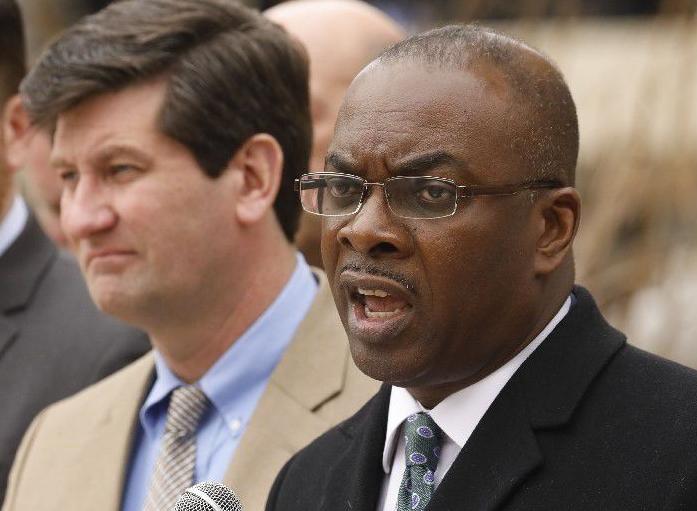
With the blizzard and its aftermath putting the Buffalo area in the international spotlight, Erie County Executive Mark Poloncarz stunned viewers watching the livestream of his Dec. 28 storm update when he criticized the city's snow-clearing efforts, describing them as "embarrassing" and calling for a county takeover. He knew he would be blindsiding the mayor, but, with the city still shut down days after the blizzard ended, he said he didn't care.
People are also reading…
Notified of Poloncarz's remarks during a separate city briefing later that day, Mayor Byron Brown – equally frustrated – suggested his county counterpart was "crumbling" under the pressure of an emergency, adding: "I'm calm, cool and collected. And I don't lose my mind during a crisis."
Not surprisingly, the very public show of discord made headlines around the country and led Poloncarz to issue an apology to the community for the timing of his remarks the next day.
For weeks after, the two men barely spoke, even though they had opportunities. Both stood with Senate Majority Leader Charles Schumer when he came to town to talk about federal emergency relief efforts, both attended Gov. Kathy Hochul's State of the State address and have since stood together at other news events.
Instead of speaking directly with each other on substantive issues, the two leaders have left it to their second-tier administrators to discuss and coordinate any city and county storm response efforts.
The fact that two of the most powerful people in the region, responsible for the welfare of hundreds of thousands of residents, rarely offer each other much beyond obligatory, political civility is no surprise to those who closely follow local politics.
But questions linger about how the city and county can work better together to improve emergency response, and save lives, when Brown and Poloncarz don't engage in serious policy discussions at a high level.'

Erie County Executive Mark C. Poloncarz said during a news conference Wednesday said that the county had taken over snow removal efforts in a large chunk of the city, from Broadway at the Cheektowaga line to the waterfront.
Natural tension
The relationship between Buffalo and Erie County elected leaders has waxed and waned over time, often driven by both personalities and governing interests. Those who have played key roles in government have said it's more common than not for a mayor and county executive to have a stressed relationship.
There are fundamental disagreements between city and county leaders about the relative financial resources, staffing, planning and leadership that each government organization brings to the table during times of crisis. That difference of perspective extends beyond any one administration, longtime political observers say.
People who run for office tend to have a narcissistic streak and instinctively resist efforts that diminish their authority, said former County Executive Joel Giambra, adding that he counted himself in that group.
"How you get elected officials who have their own power bases and their own natural fiefdoms to give that up? That’s the challenge that we have," he said. "It’s natural tension. Then personalities make it either better or worse."

The region's death toll from the Christmas weekend blizzard has grown to at least 40 people.
In the 1980s, then Mayor James Griffin and County Executive Edward Rutkowski were genuinely fond of each other and made so many public appearances together that they were dubbed the "Jimmy and Eddie Show."
That relationship did not carry over when Dennis Gorski became county executive. Griffin not only disliked Gorski, but ran against him in the county executive's race in 1991 and lost.
While Anthony Masiello was mayor, he was generally considered a political friend to Giambra, when he was county executive. But even though the two men shared the same background as Italian-Americans growing up on the West Side, their divergent opinions about the timetable and extensiveness of city-county consolidation and regionalism efforts was a sore spot that prompted some outright warfare between their staffs.
"I'm not in this to get into a fight with the mayor," Giambra said in 2003. "I'm just trying to make him understand."
Masiello, meanwhile, said, "Just because the city is on its knees doesn't mean you do bad deals. And friends don't do that to friends, by the way."
Bob McCarthy: United front on storm unravels as region's top two leaders snipe over politics of snow
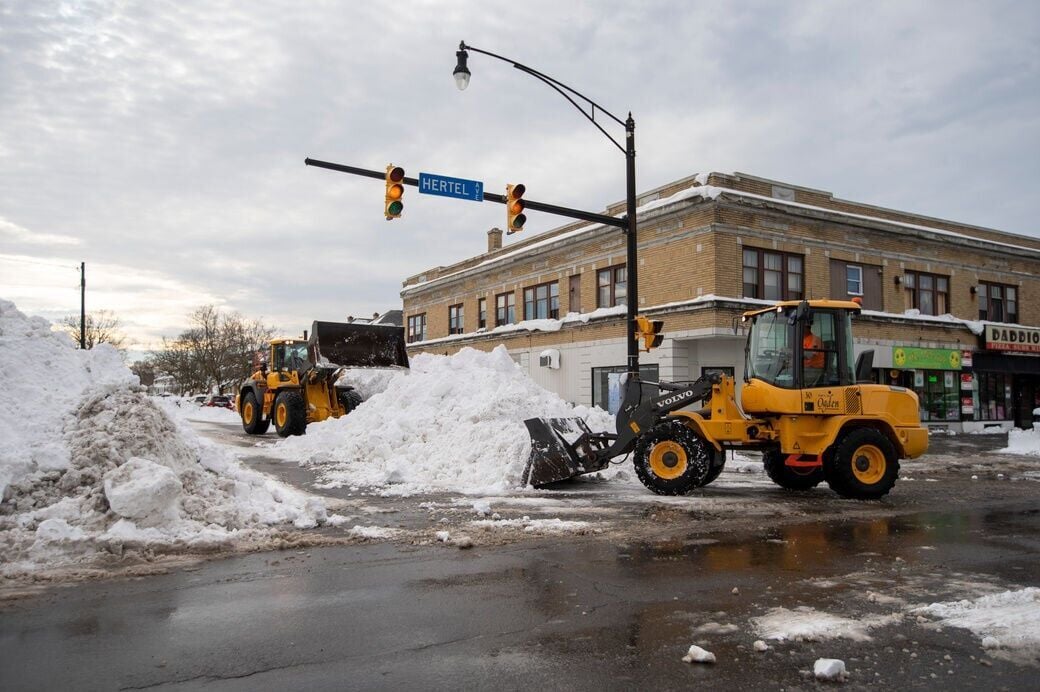
Just as a community battered by blizzard looks to government for recovery, the region's top two leaders – both Democrats – now appear locked in a major sniping match over the City of Buffalo's performance in cleaning up a Christmas snowfall of more than 4 feet.
Retired Assemblyman Robin Schimminger, who has known both Brown and Poloncarz since before they were elected to office, said it's natural for the two men, who otherwise maintain a professional relationship, to have a "blip" and disagree when it comes to each government's roadway responsibilities and obligations. The stress and difficulties of a natural disaster only magnify the issue.
He also acknowledged, though, that Poloncarz and Brown are not naturally close.
"This is not an Eddie and Jimmy relationship," he said.
Brown and Poloncarz
Poloncarz and Brown are both Democrats, but they didn't rise to power through the same political network. In addition, neither is particularly laid back or gregarious by nature. Poloncarz tends to be more introverted and analytical, with a straightforward, and occasionally blunt, leadership style. Brown, meanwhile, exudes a more measured public persona and buttoned-up style of political diplomacy.
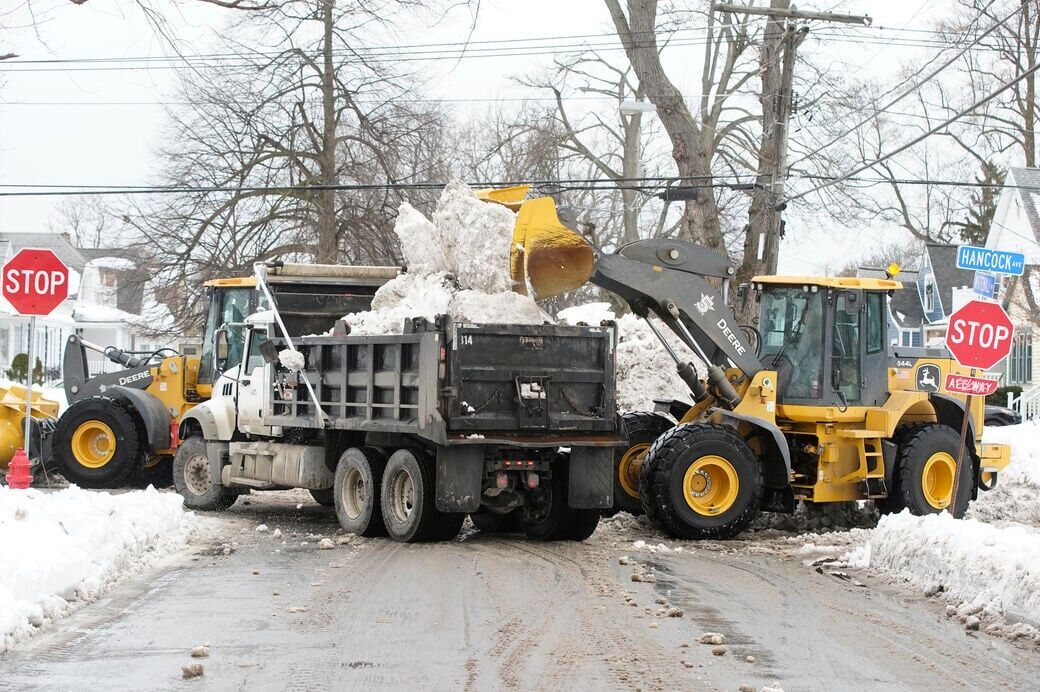
Elected officials, union leaders and key Albany observers are raising new questions about the state and city response to last week's Christmas blizzard.
Even so, open disagreement or political antagonism between the two men has been rare, until now.
Brown said broadly that he was in communication with Poloncarz during the blizzard, but said their conversations were "private" and declined to discuss them with The Buffalo News. He also said Poloncarz has had opportunities at recent, mutually attended events to broach any topics he wished with him regarding the blizzard, but he hasn't.
Poloncarz, meanwhile, said prior outreach efforts to Brown weren't returned, though Brown did acknowledge a text from Poloncarz informing him of the implementation of the countywide driving ban. After the storm began, the two men conversed once, when they appeared with Hochul at a news conference on Dec. 26. They shook hands and conferred on several issues.
"We talked about cleanup, because by that time it was the 26th,” Poloncarz said. "I did say, 'Well, we have resources available and we’re ready to assist.' That’s about the only extent to the conversation we actually had during the storm."
The day after Poloncarz's public criticisms, the county executive apologized for criticizing the city’s blizzard recovery efforts while recovery efforts were ongoing and the number of lives lost was rising.
He told The Buffalo News he was frustrated and emotional that morning, in part because he just learned that a young child – later identified as a 3-year-old girl – had drowned in a hotel pool after the family checked into a hotel because they'd lost power during the blizzard.
But ultimately, he said he believes that the city should be investing more in its emergency operations and believes the county, which has greater resources and financial strength, should play a much greater and more coordinated role in helping the city address weather-related emergencies.
He said he tried to reach out to Brown by phone after his public comments, but the mayor never responded. He also said the county is still is ready to put more county resources toward city snow-clearing and disaster recovery efforts, but that can only move forward with a willing partner in the city.
Brown told The Buffalo News that during a once-in-a-generation emergency like the December blizzard, it's understood that everyone pitches in to do their part.
"When the governor put out the statewide call for mutual aid," he said, "everyone else was willing to help without making an issue about it, and no other municipality did."


