

Four years before Tucson television went on the air, they opened up a radio store that also sold televisions.
Four years later, they started a Spanish-language radio station — though they hardly knew a word of Spanish.
Oh, yeah. They also built Tucson's first ice-skating rink — in the middle of the desert.
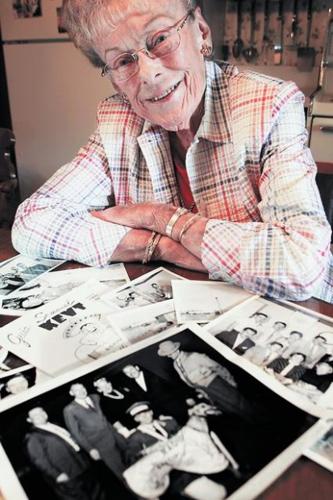
"It was an insane time," says Linn Trowbridge, who along with her late husband, Peter, owned at one time or another Tucson Radio, KEVT-690 AM, and Iceland skating rink.
It all began in 1949, when the newlywed couple came here for a visit from Connecticut. "We never really went back," says Linn, whose husband had gone to school out here as a teenager.
Before long, they were the owners of Tucson Radio at 420 E. Sixth St. Tommy Weese was a partner, with his wife, Betty, doing the books.
People are also reading…
"We brought a DuMont television set with us," says Linn. Never mind that all Tucsonans could get were transmission skips from Houston.
And then in December of 1951, Phoenix station KPHO went on the air, prompting large crowds to gather outside the window of the store.
Before long, Peter was selling TVs and antennas to customers lucky enough to be in the right reception area for Phoenix telecasts.
But by the time Tucson got its first television station in 1953, the shop had been sold, with Peter working for a time as a broadcast engineer at what is now KOLD-TV, Channel 13.
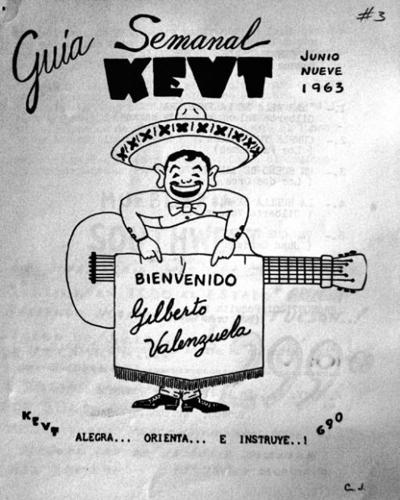
That same year, he and Linn, along with partners DeWitt and Helen Wray, started up KEVT.
"When we came here, there were five other stations," says Linn. "Most had an hour or two of Spanish-language programs and music a day. We decided to start a radio station that was all-Spanish."
They built a station at 400 N. Shawnee Ave., near St. Mary's Hospital, and put up a 280-foot tower — the second-tallest in town.
"My husband filed for the license, did all the technical stuff. He had a used transmitter," says Linn.
"Raul Castro (Arizona's future governor) was our attorney. He drew up the articles of incorporation. It took very little money. Today there are million-dollar stations."
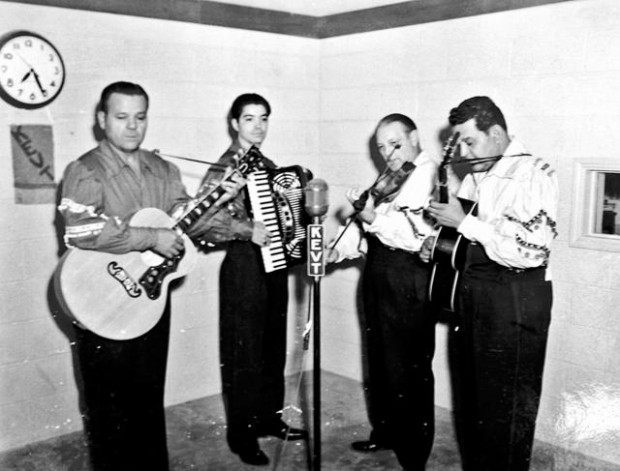
The station went on the air in September of 1953, with Hector Le Desma serving as assistant general manager and several announcers at the microphone, including Oscar Stevens and Ramon Gascon. Later on, Mike Quihuis became sportscaster.
Daily broadcasts included Mexican soap operas, newscasts three times a day and a 700-record library churning out everything from mariachi music to love songs.
University of Arizona professor Cecil Robinson popped in for 15 minutes every weekday afternoon to give English lessons to Spanish-speakers, says Linn, who as traffic manager scheduled programs and commercials.
Everyone from singing groups to matadors plugging the latest bullfight in Nogales, Sonora, popped in. So did the politicians.
"The political ads were most lucrative," says Linn, who made sure opposing politicos did not show up at the same time.
Sponsors ranged from Reuben Gold furniture and Cine Plaza to Lucky Lager beer, Greyhound bus lines and O'Rielly Chevrolet.
"One time we went to a major department store and were told they did not want to advertise with us because they did not want Mexicans in their store," says Linn. "That's the only instance I remember something like that."
Everyone else, it seemed, quickly embraced the station. "People took to it right away," says Linn. "They would invite the announcers to their homes. At work, we were like family."
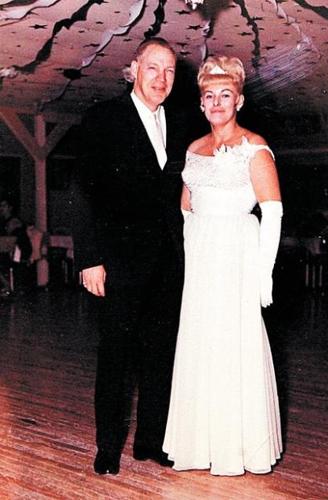
The station also did live remotes and many a benefit, as well as promotions for various dances. "We advertised, they charged admission and gave us part of the admission money," says Linn.
Broadcast hours were sunrise to sunset, with the hours changing every month.
In 1957, the station set up a storefront shop for a time on the corner of Congress Street and Church Avenue — handy for sidewalk gawkers.
Not long after, the couple began eyeing another venture: Iceland, which opened in 1959 at 5915 E. Speedway.
Under the same roof was Greenway, a bowling alley they also owned.
"We had a friend in the recreation business. So we decided to build this bowling alley and skating rink," says Linn. "We were young and inexperienced. We had no business in the world to be in either business."
By the mid-1960s, they wound up with neither. Under new ownership, Iceland became Monterey Ice Skating Rink for a time before reverting to its old name. And Long Island attorney Alvin Korngold became the new owner of KEVT.
Meanwhile, in 1963, KEVT started facing competition from another Spanish-language radio station, KXEW.
In 1981, Korngold sold KEVT to Abundant Life Ministries, and it was relaunched as KVOI, "The Joy of 690." Reported selling price: $1 million.
Today, Tucsonans can listen to 37 different radio broadcasts — eight of them in Spanish.
DID YOU KNOW
The late Mike Quihuis was a former Arizona welterweight boxing champion.

 Tucson official: Air Force won't pay for D-M groundwater cleanup now


