

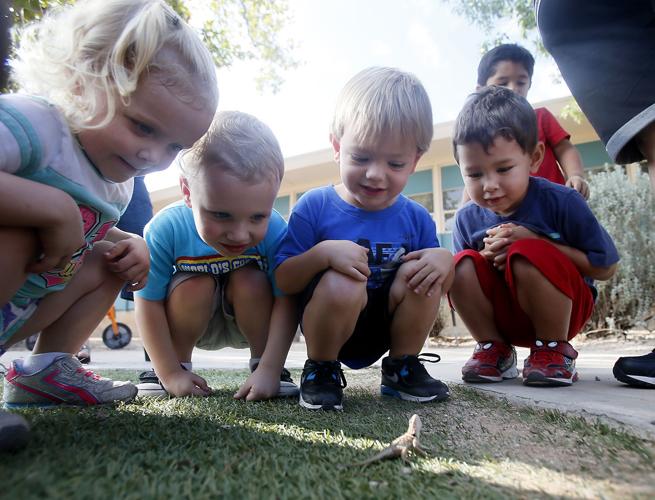
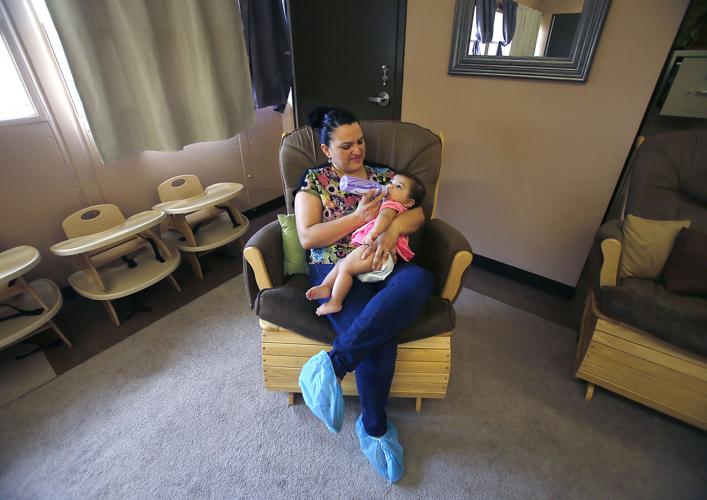
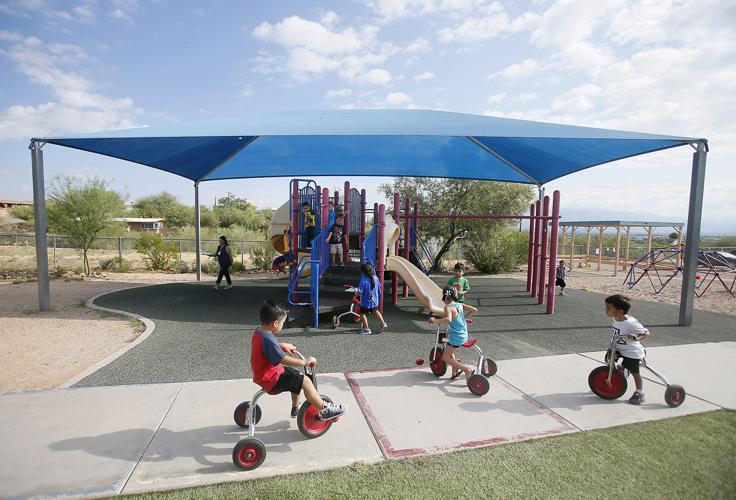
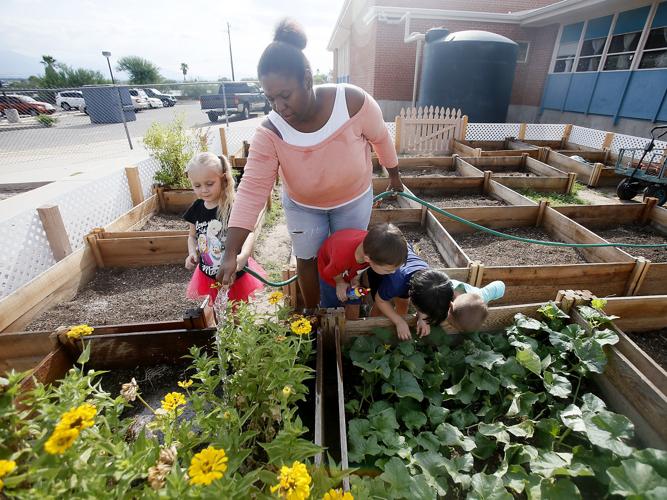
An effort by TUSD to offer low-cost, high-quality preschool programs to employees and Tucson-area parents has left the district nearly $800,000 in the red.
Though the Tucson Unified School District was not looking to make a profit, officials hoped to break even since the state doesn’t fund preschools. Derailed by start-up costs and typical problems that plague new businesses, TUSD is now dipping into its limited budget to cover the bill.
The Infant and Early Learning Centers brought in $1.6 million in revenue but expended $2.4 million — a shortfall that will be made up with money from the Community Schools fund. That’s made up of revenue from before- and after-school programs and a separate group of higher-charging tuition-based preschools.
At a time when early childhood education is being emphasized as the key to leveling the playing field for children in poverty, TUSD is not giving up. It raised rates slightly — though they are still very low and competitive for the market — and staffing has been adjusted to use more part-time workers rather than full-time employees.
People are also reading…
While the Community Schools fund is satisfying the debt of the two centers at former schools — Brichta on the west side and Schumaker on the east side — the hope is that they will become profitable and help support other district programs.
RECRUITMENT TOOL
The centers were originally proposed to serve the children of teachers as a perk for employees and for recruitment. But as word spread, the district eventually opened the centers to the public.
By making the centers inclusive, the district was able to offer a community service of sorts, especially for middle-class families that don’t qualify for income-based programs but can’t afford high-end preschools.
TUSD placed children on waiting lists until there were enough in an age group to justify hiring a teacher, rather than hiring en masse. But demand turned out not to be the problem, with students coming from as far as the Tanque Verde and Vail school districts.
The Brichta IELC opened last fall with about 50 students and closed the year with nearly 200 children. The Schumaker IELC also saw rapid growth, doubling the 101 students it started with by May.
Flooded with children, the district deviated from its original plan to have two-thirds of the staff work part-time. Instead, all employees were guaranteed 40 hours of pay, even during slow periods like winter and summer breaks.
With the staffing hours adjusted, the centers are expected to operate more efficiently.
Tuition rates also had to be adjusted as part of the effort to stay within budget. Monthly increases ranged from $35 to $55. The rate hike, however, has not deterred families from signing up. Some 350 children were enrolled this year. A need for more part-timers has resulted in an enrollment waiting list.
The changes, paired with a new system that allows the district to monitor spending and revenue in real time, are expected to allow the centers to bring in an estimated $200,000 profit this year, which will be used to defray start-up costs.
TUSD is also pursuing grant opportunities to offset costs, including a $368,000 award from the Arizona Department of Education that will pay for one certified teacher at each site and two teaching assistants.
“We are mindful and closely monitor expenses to make sure we don’t do anything to jeopardize the program because our goal is to be here for a long time to serve families,” said Rachell Hochheim, director of TUSD community schools and preschool programs. “We’re learning and growing and we’ve made adjustments. We want to be solid.”
A SIGNIFICANT NEED
For Sarah Hann, the TUSD Infant and Early Learning Centers couldn’t have opened at a better time.
As she and her husband prepared to welcome their third child last year, they had to rethink their child-care arrangement.
Already paying more than $1,200 a month at a local center for their two daughters, adding another $600 to that tab was going to put the family in a tough spot.
“Paying bills would have been really stressful,” said Hann, a TUSD teacher mentor. “We likely would have had to get rid of things we enjoy and really pare down our spending. I possibly would have had to quit working if we couldn’t make ends meet.”
Hann’s situation is not unique, according to First Things First, an organization that works to help Arizona children ages 5 and younger receive quality education, health care and family support.
“For infant care, the cost is often in alignment with college tuition and monthly mortgage payments,” said Jessica Brisson, First Things First senior director of the southeast regional area, acknowledging a significant need for middle-class families in search of quality early education.
Hann turned to TUSD’s Infant and Early Learning Center at Schumaker, where her employee discount allowed her to pay about the same price for the three children as what she previously paid for two.
In an effort to address the issue of access to affordable early care and education, First Things First has engaged community partners and agencies statewide to come up with solutions. That includes offering scholarships for children and funding to improve the professional skills of teachers.
Despite the challenges organizations like TUSD and others have faced as part of this quest, Brisson is impressed by the efforts.
“It’s encouraging to see the community prioritize early childhood education and how young children can have access to higher quality learning and care,” she said.
COMMUNITY INVESTMENT
National research has shown that among many benefits, children exposed to high quality early childhood education are 40 percent less likely to need special education or be held back a grade; 70 percent less likely to commit a violent crime by the age of 18; and have better language, math and social skills.
The TUSD IELC curriculum focuses on pre-academic skills like math and science through play, while allowing children to work on social skills and self-regulation as well.
Classrooms are led by certified teachers and others with early childhood experience. TUSD is also working with state universities to bring in student teachers.
After a year at Schumaker, Hann’s daughter knows all of the letters in the alphabet and the sounds they make. Though there were a few bumps in transitioning her children to a new place, Hann has no qualms about her decision.
“The staff is so responsive and caring — they really have the best interest of children at the forefront of everything they do,” she said. “I trust completely that my children are being cared for and respected.”
The centers are just one of the commitments TUSD has made to early learning. It invests more than $2 million in federal funding in preschool programs for children living below the poverty line and about $5 million a year to provide full-day kindergarten at no cost to families.
“In the end we feel it is an investment on our part because we are investing in students we know will be better prepared for school,” said Ana Gallegos, TUSD assistant superintendent of Elementary and K-8 schools.
Contact reporter Alexis Huicochea at ahuicochea@tucson.com or 573-4175. On Twitter: @AlexisHuicochea

Alexis Huicochea
Team leader


