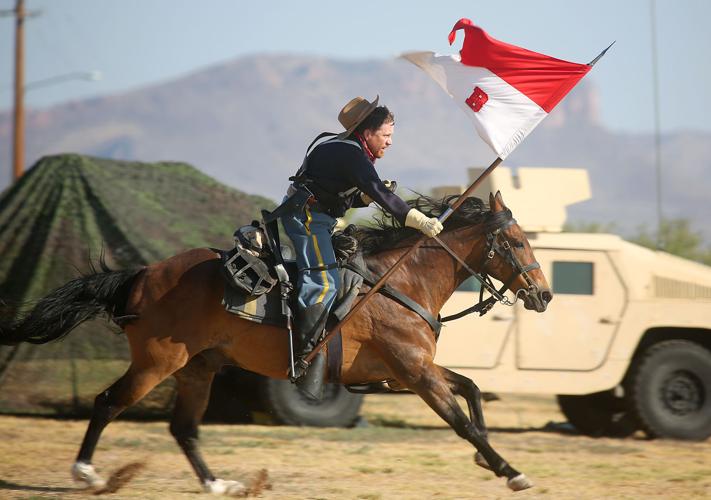
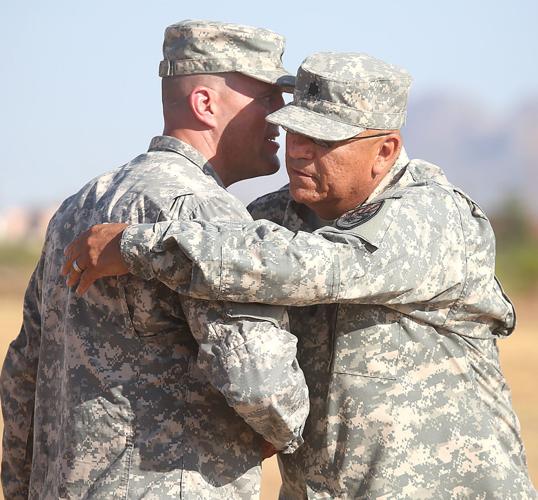
A century-plus of military tradition — complete with a cavalry charge — was on display Friday at Fort Huachuca as a major unit at the Army post changed commanders.
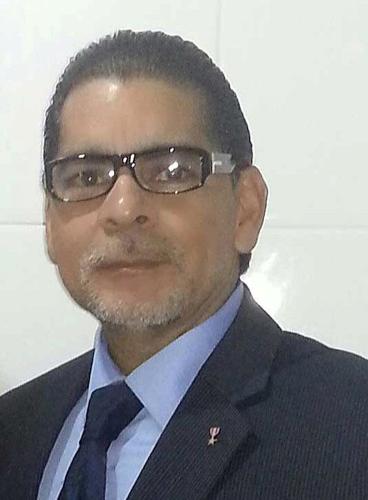
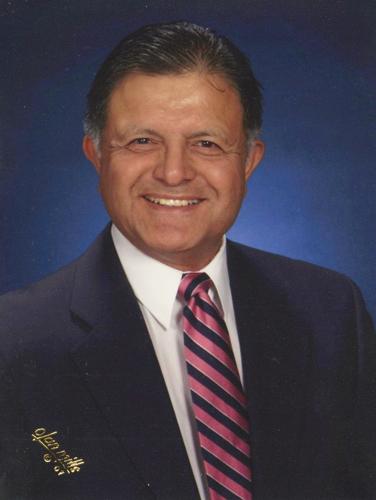
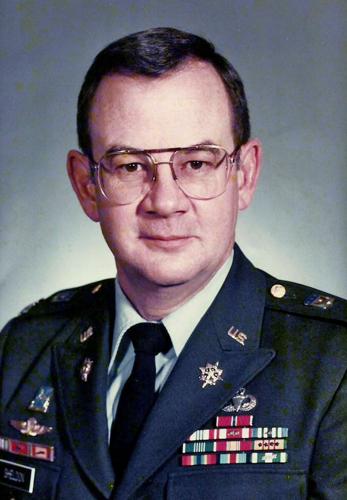
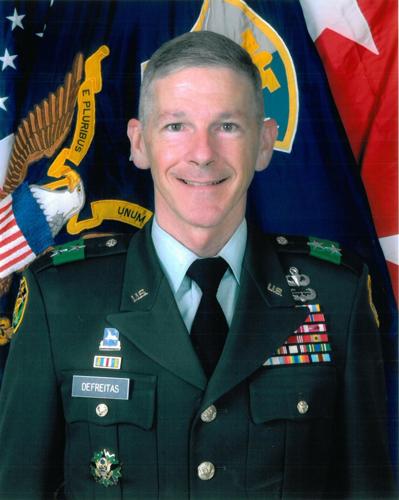
Eight people also were inducted into the U.S. Army Military Intelligence Corps’ Hall of Fame during ceremonies at the fort.
Lt. Col. Jorge Arredondo assumed command of the 305th Military Intelligence Battalion from Lt. Col. Adam Boyd, who commanded the intelligence training battalion since June 2013 as part of a typical two-year rotation.
Boyd will move to a new role as a senior instructor at the Army’s National Training Center at Fort Irwin, California. He served in Germany and in Iraq and as an instructor at Fort Huachuca before moving to Fort Hood and redeploying to Iraq in 2006. He returned to Germany in 2010 and served in senior intelligence posts there before returning to Fort Huachuca.
People are also reading…
Arredondo, who started his Army career as an infantry gunner and served in operations Desert Shield and Desert Storm, is no stranger to Fort Huachuca.
After being commissioned as a second lieutenant in the Military Intelligence Corps in 1996 and a stint with the U.S. Army South Command, he served as executive officer for the 309th Military Intelligence Battalion at Fort Huachuca. His most recent posts include duty at the El Paso Intelligence Center in Texas.
Friday’s ceremony included the ceremonial passing of the battalion flag, or guidon, parade-ground reviews, music from the Military Intelligence Corps Band and a shooting cavalry charge by members of Fort Huachuca’s historic B Troop, U.S. 4th Cavalry Regiment (Memorial).
Also on Friday, a barracks for the 305th Military Intelligence Battalion was dedicated in honor of Spc. Brittany B. Gordon, an intelligence analyst killed in action in Afghanistan in 2012.
Hall-of-famers named
Inducted into the U.S. Army Military Intelligence Corps’ Hall of Fame were:
- Lt. Gen.
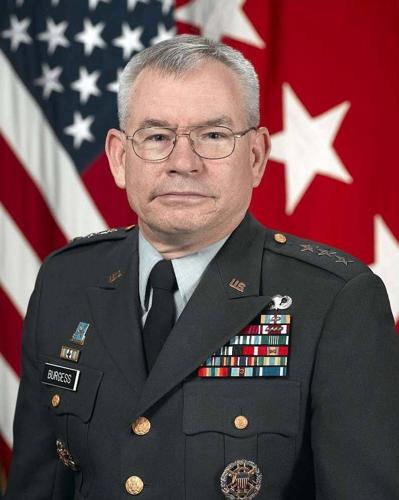
- Ronald L. Burgess
- (retired): The former director of the Defense Intelligence Agency was described as “a driving force in the U.S. intelligence community,” providing “exceptional leadership and broad strategic vision that contributed to safeguarding national security interests,” the Army said.
- Maj. Gen.
- John DeFritas III
- (retired): DeFreitas’ 36-year Army career culminated with his assignment as the deputy director of analysis and production at the National Security Agency.
- Maj. Gen.
- Harold J. Greene
- (deceased): Greene became known as the “Face of Army Intelligence Acquisition” on Capitol Hill as he championed the Army’s Distributed Common Ground System, a flagship intelligence processing and communications system. Greene was killed in Kabul, Afghanistan in August 2014 by an Afghan soldier.
- Col.
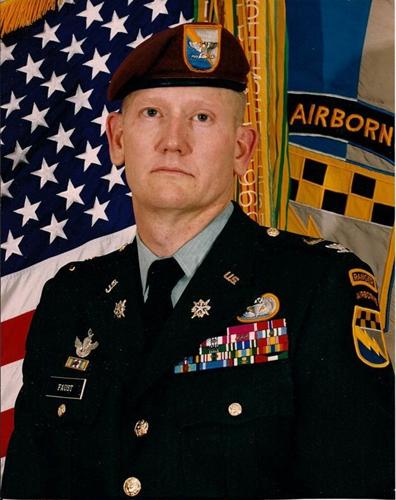
- James “Tommy” Faust
- (retired): As a senior officer with the Office of the Deputy Chief of Staff for Intelligence, Faust oversaw Army intelligence planning, programming and budgeting. After retiring from the Army, he served in various civilian intelligence posts before retiring in 2013 with more than 40 years of combined service.
- Col.
- Douglas Sheldon
- (retired): Sheldon began his 30-year military career as an intelligence officer in Vietnam and held senior intelligence posts at the 82nd Airborne Division, the Joint Special Operations Command and the U.S. Special Operations Command, where he was credited with helping to develop new intelligence structures and capabilities.
- Chief Warrant Officer 5
- John A. Pineda
- (deceased): While serving in intelligence posts during the 1980s, Pineda provided critical information to support U.S. actions in Grenada and Panama and helped identify and prosecute several foreign espionage agents.
- Staff Sgt.
- Antonio Bonilla
- : Bonilla established a telephone intelligence network that took spot reports of fugitive Gen. Manuel Noriega’s location from Panamanian sources and led to his capture. Bonilla left the Army in February 1990.
- Staff Sgt.
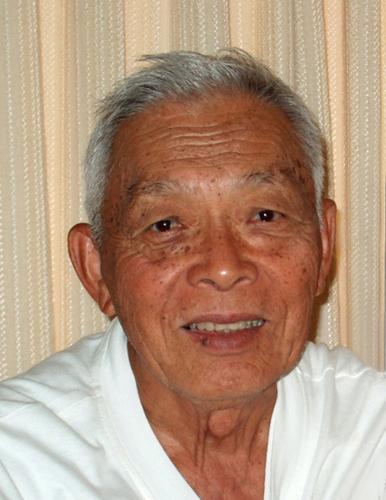
- Dick S. Hamada
- (deceased): In early 1943, Hamada volunteered for the 442nd Regimental Combat Team, a segregated unit made up of Japanese-Americans. He became one of only a few enlisted Japanese-Americans chosen to conduct clandestine espionage, counterespionage and intelligence missions for the Office of Strategic Services during World War II.
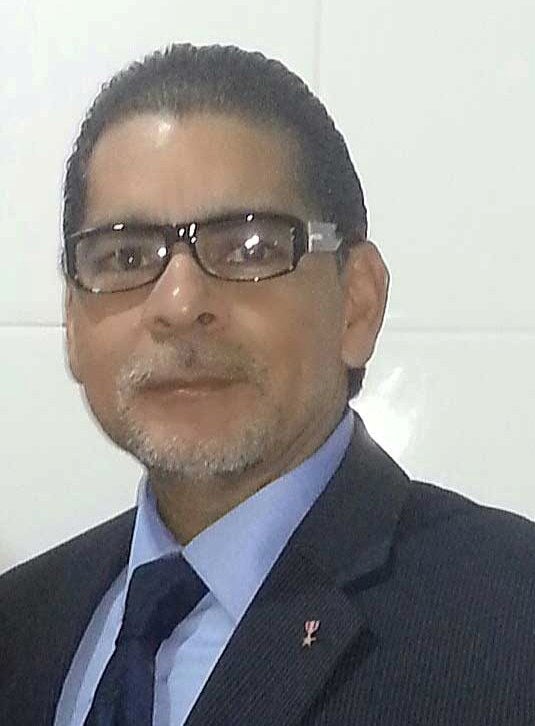
Staff Sgt. Antonio Bonilla.
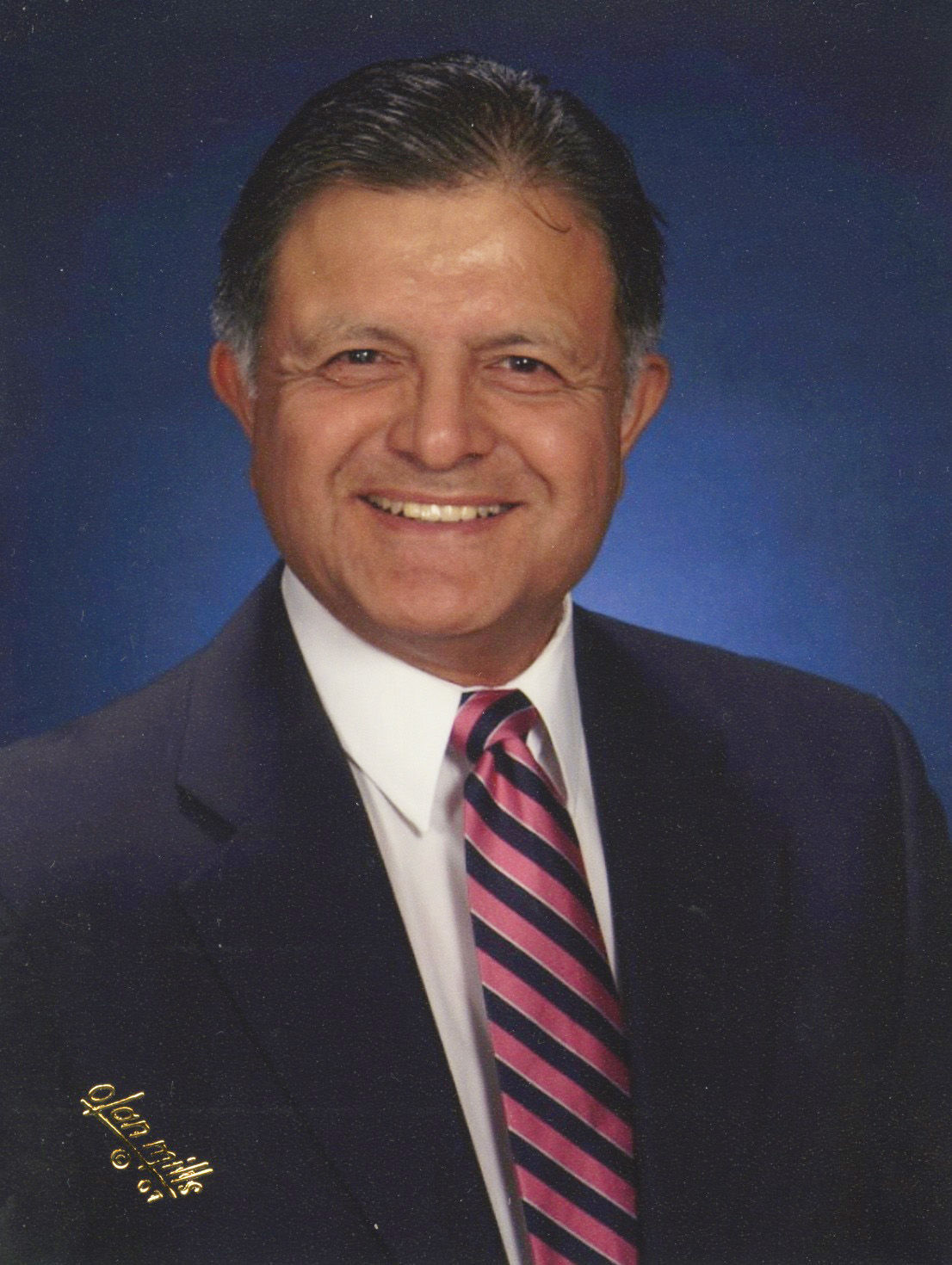
Chief Warrant Officer 5 John A. Pineda, deceased.
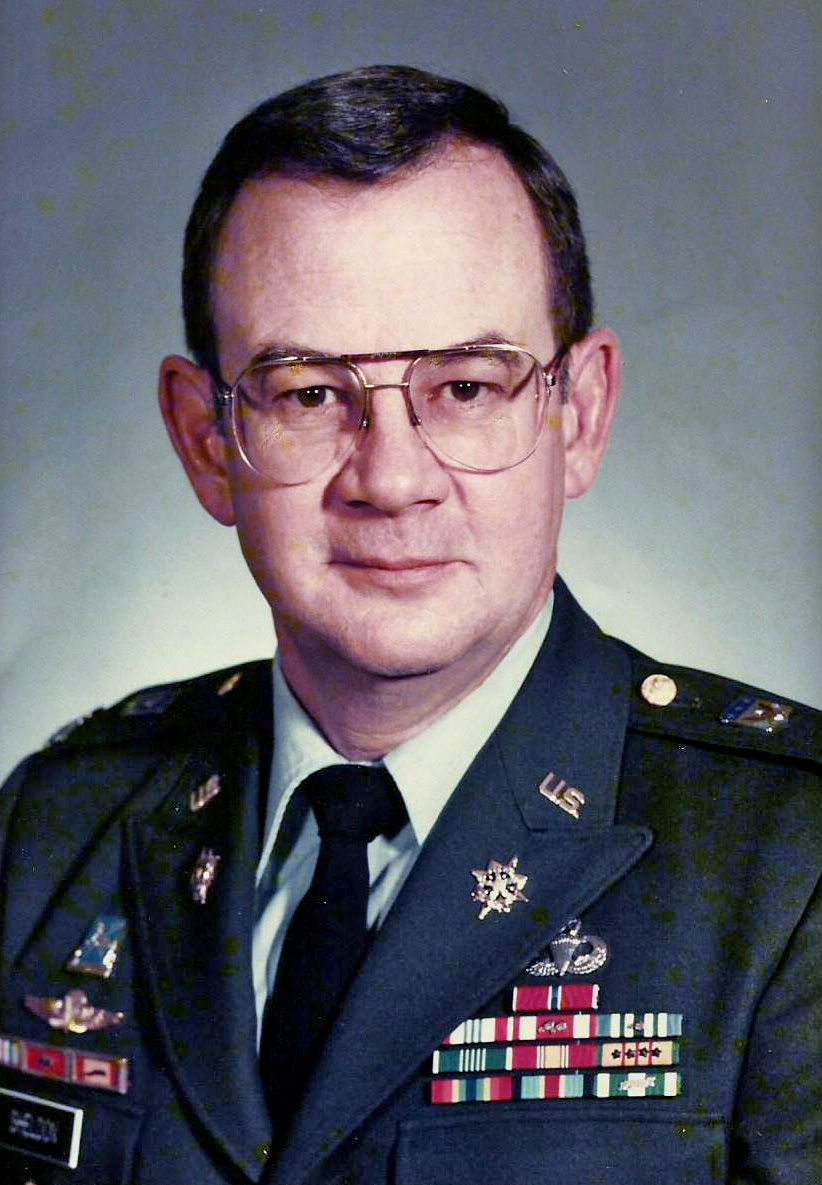
Col. Douglas Sheldon, retired.

Maj. Gen. John DeFritas III, retired.
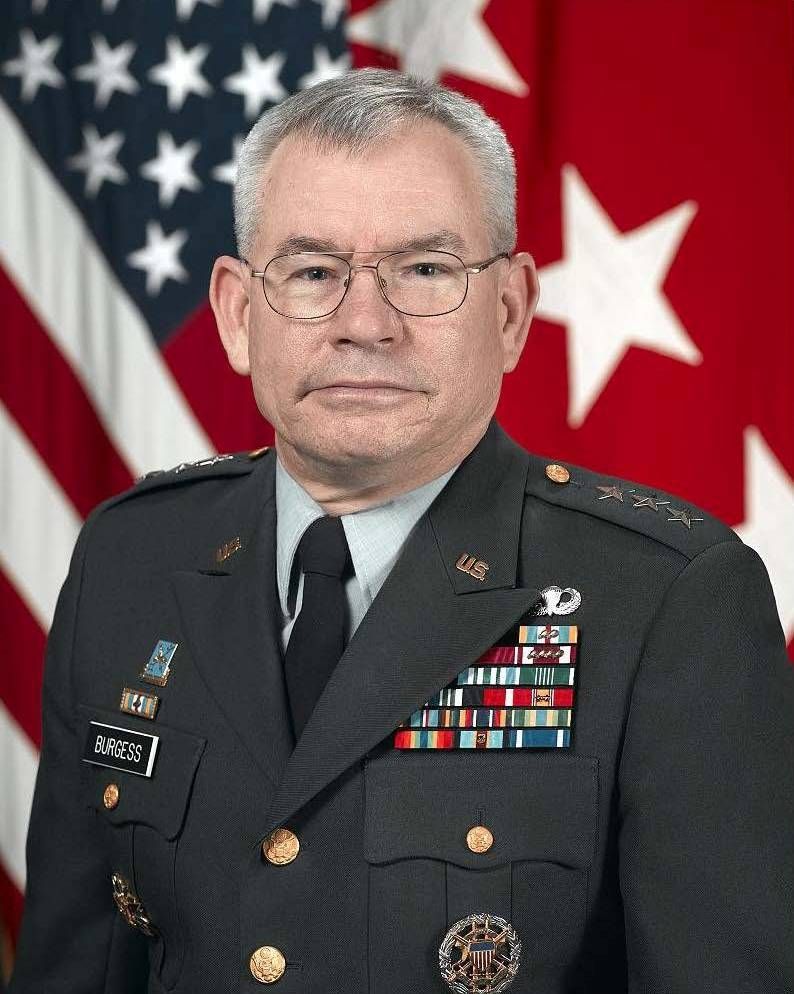
Lt. Gen. Ronald L. Burgess, U.S. Army retired.

Staff Sgt. Dick S. Hamada, deceased.
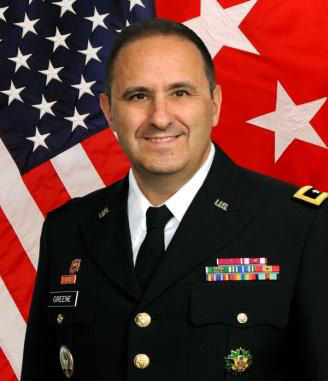
Maj. Gen. Harold J. Greene, deceased.

Col. James (Tommy) Faust, retired.