The following is the opinion and analysis of the writers:

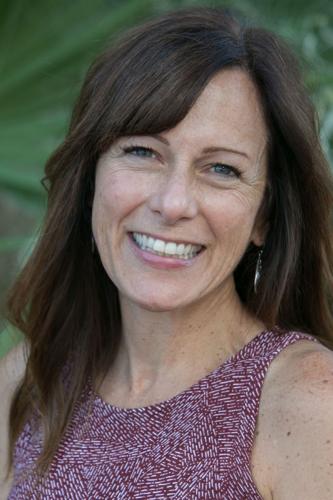
Elizabeth Cozzi

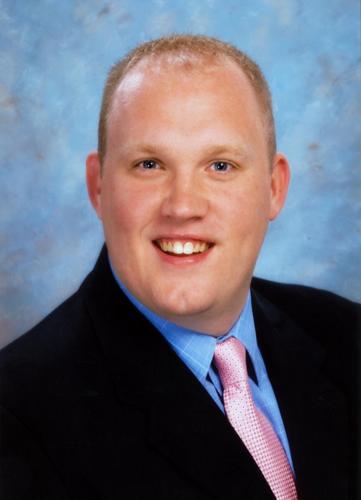
Mike Hofer
Arizona is aging quickly. Nearly one in four Arizonans is now over age 60, and that population is projected to grow by 46% by 2050. That’s something to celebrate, but it also demands urgent investment in the workforce that makes aging at home possible.
At United Way of Tucson and Southern Arizona, we see every day what it takes to help older adults stay healthy, connected, and independent. Through our ELDER Alliance and community partnerships, we’ve made real progress. But as the need grows, one challenge is becoming impossible to ignore: We do not have enough direct care workers to meet the demand.
Direct care workers are the backbone of our long-term care system. They help older adults with daily tasks like bathing, dressing, meal preparation, and medication reminders. They support mobility and safety. Just as importantly, they provide companionship, reducing isolation and improving quality of life.
People are also reading…
Yet this workforce remains undervalued and overstretched, with high turnover, limited training pathways, and persistent shortages affecting families across our community. Without enough workers, more older adults face barriers to remaining safely at home, and more family caregivers are pushed to their limits. Arizona will need about 41,000 additional direct care workers to meet demand.
This is not a future problem — it’s a present one.
For several years, United Way has been working with partners to strengthen the direct care workforce through our Direct Care Workforce Resource program. The model is straightforward but powerful: recruit individuals into the field, provide training and certification support, and connect them to quality jobs — while removing obstacles that often prevent people from entering or advancing in these careers.
Now, with new support, that work is expanding.
Wellpoint is helping scale training, reduce financial barriers to entry, and connect more individuals to caregiving careers. This approach works because it strengthens the entire workforce pipeline — from recruitment and training to job placement — rather than tackling each challenge in isolation.
Strong communities depend on more than clinical care alone. This partnership is helping ensure more people can remain in their homes with the support they need. These kinds of cross-sector collaborations are critical to building a care infrastructure that can meet today’s demand and the challenges ahead.
Participants receive one-on-one guidance from dedicated community health workers who help them navigate training, certification, and job placement. Program support helps cover associated costs, making these opportunities more accessible. For those looking to advance, the program also creates pathways into other healthcare careers.
The impact is already visible: since December, more than 400 individuals have received support navigating the pre-employment process, with participants completing training and entering the workforce. Each represents not just a job filled, but a stronger support system for individuals and families across our region.
As Rosalynn Carter once said, “There are only four kinds of people in the world — those who have been caregivers, those who are currently caregivers, those who will be caregivers, and those who will need caregivers.” Her words remind us that this issue touches every one of us.
Meeting this moment will require sustained investment — from policy makers, health plans, employers, and community organizations alike. If we want Southern Arizona to remain a place where people can live with independence and dignity as they age, we must invest in the workforce that makes that possible. We know what works. With continued partnership and commitment, we can scale these solutions to meet the growing need.
Follow these steps to easily submit a letter to the editor or guest opinion to the Arizona Daily Star.
Elizabeth Cozzi is the Associate Vice President of Community Development at United Way of Tucson and Southern Arizona. Mike Hofer is Chief Growth Officer for Wellpoint.