

The following is the opinion and analysis of the writer:
For the 52nd year, Earth Day will encourage environmental protection on April 22. This year’s theme is “Invest in Our Planet,” a concept I couldn’t agree with more.
But where the Earth Day movement and I differ is in the “how.”
You may be wondering why a chef cares so much about Earth Day. Well, as someone who is professionally trained to respect and use food in a way that is both good for people and the planet, I take issue with the idea that the best way to do that is by eliminating entire food groups.
The Earth Day movement suggests we need to “act boldly, innovate broadly and implement equitably.” We do. But not by eliminating beef from our diets.
As a Tucson native, local and sustainable ingredients have shaped my entire culinary journey. Celebrating sustainability in food has earned me the nomination of the 2022 American Culinary Federation Chef of the Year, and it has informed my decision to become a past chairman and current member of Slow Food Southern AZ. Now as the Executive Chef at Casino Del Sol Resort, I build my menus with the future in mind.
People are also reading…
To act boldly for the planet, we must be intentional about the foods we use and the ingredients we source. Tucson is in the middle of a desert, and while I fully support our local farmers as much as possible, farming in Arizona has its challenges. In most cases, the climate is unsuitable for growing food crops, but it’s perfect for raising cattle. And that’s not just the case in Arizona — 29% of land in the U.S. is not suitable for growing plants that people can eat. But while cattle graze on this otherwise unusable land, they upcycle human-inedible plants into high-quality, delicious beef.
Earth Day suggests that we should feed humans plants instead of “cycling crops through animals first.” But humans and livestock do not compete for food. For example, 90% of what cattle consume is forage, grass and plant leftovers that humans cannot eat. And while eating those forages, cattle contribute three times as much protein to the U.S. food supply than they consume.
When I visit farmers and ranchers, I see the ways they have innovated to ensure that raising their livestock actually regenerates the land. I love visiting ranches because you can see birds and other wildlife coexisting with the cattle, how fertile the soil is (even in the desert) and how healthy the plants look.
Innovating broadly with food is my passion. I constantly look for ways to adapt dishes, using sustainable ingredients that make the best use of land. Plus, I look for ways to surprise guests with flavors and cooking methods they may have never seen. To do this effectively, I stay up to date on how food impacts our planet, and that’s why I know that while plants certainly have a place on the plate, it’s simply not sustainable to eliminate meat.
Implementing sustainability initiatives equitably is critical. Malnutrition plagues people around the world, and data shows that countries with the lowest access to meat have the highest rate of nutrient deficiencies. A plant-only food supply would further widen the gap between rich and poor nations. It means people would need to consume more calories, but they’d receive fewer nutrients from the food they eat. For example, you’d need to eat more than three cups of quinoa, approximately 666 calories, to consume the same amount of protein in one 3-ounce serving of beef.
Just as the Earth Day website suggests, slowing climate change is going to take all of us working together. I take this responsibility very seriously as a chef. I’ll be doing my part by continuing to offer delicious beef meat on my menus.
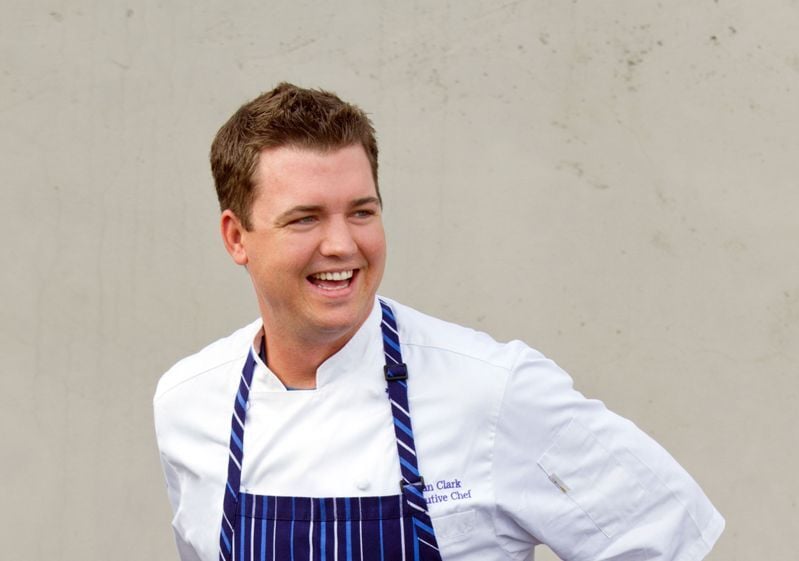
Chef Ryan Clark holds the rare distinction of being Tucson’s Iron Chef for three consecutive years. He also holds the title of Tucson’s Copper Che f. He serves on the board of Slow Food Southern Arizona and has developed recipes for the National Cattlemen’s Beef Association, a Contractor to the Beef Checkoff.
