

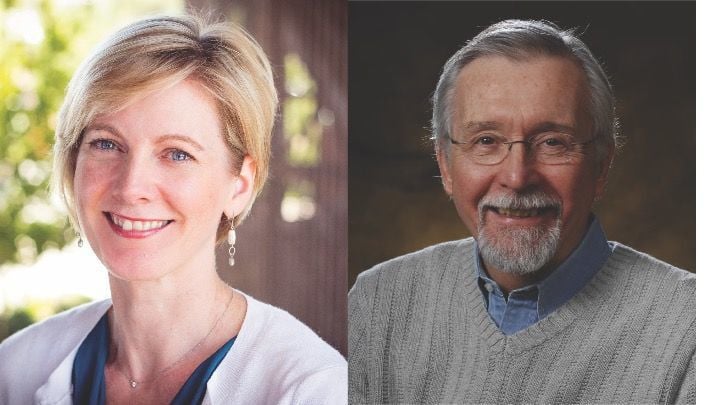
The following column is the opinion and analysis of the writer:
COVID-19 cases in the U.S. have gone from 60,000 new cases per day to 140,000 in less than one month. In Arizona, infection is increasing at an alarming rate, as highlighted by the grim forecast of the state health director: positive tests are returning at a rate of greater than 10%, 100 in every 100,000 Arizonans are infected and hospital intensive care cases are rapidly rising. As SARS-CoV-2 infections expand exponentially, conditions will get worse in the next three months. Yet Gov. Doug Ducey has not mandated masking, the simplest of the public-health mitigations procedures. Where masking has been mandated or broadly used, case numbers have been lowered. The data is clear — cloth masks protect both the wearer and others from infection.
These are critical times; spread is out of control and hospitals are already becoming overwhelmed with COVID-19 cases. Yet, due to widespread misinformation, a large part of the citizenry remains dismissive of COVID-19 and the simple public-health practices proven to mitigate the pandemic.
People are also reading…
The growing complacency in Arizona and the U.S. toward public-health services and recommendations is dangerous. Most citizens are unaware of how perilously close they are to serious health problems if it were not for the fragile infrastructure provided by public-health agencies.
With the onset of the COVID-19 pandemic, complacency has turned to disdain as public-health recommendations are seen as too burdensome or, worse, an infringement of personal rights. If the public-health recommendations of widespread testing, contact tracing and quarantining had been implemented early in the pandemic much morbidity and mortality would have been avoided. Countries that implemented public-health measures early, like New Zealand, have fared much better. If the populace had embraced the simple procedures of masking, distancing and hygiene, we would control the pandemic with fewer closures and lockdowns.
SARS-CoV-2 infections in the U.S. have resulted in over 11 million COVID-19 cases and 250,000 deaths since the start of the pandemic in March; many survivors have severe long-term effects. While these facts stun many, a significant proportion of the populace deny the danger at hand. In contrast, at its peak in 1952 the polio epidemic struck fear and panic in Americans, yet by comparison, there were only 57,879 cases and 3,145 deaths that year.
The advent of the polio vaccine in 1954 was greeted with celebration in the U.S. The vaccine’s development, distribution and use for the near-eradication of polio have been hailed as mammoth public-health and humanitarian successes. In contrast, the announcement of potential SARS-Cov-2 vaccines, by Pfizer/BioNTech and Moderna, has been greeted with a mix of guarded optimism and significant vaccine skepticism; only 50% of the total U.S. population say they will get vaccinated.
If the vaccines are effective and safe, the logistical difficulties of manufacturing and distributing enough to vaccinate the global population to approach communal or herd immunity could take years. In the interim the pandemic will continue relentlessly. In light of an inadequate government response to stop COVID-19 spread, all we the people can do is protect ourselves and others using established public-health mitigation recommendations.
We must approach Thanksgiving with a commitment to protect our communities. Public-health recommendations are minor restrictions on personal freedom. The freedom we enjoy as Americans is not free, it comes with responsibility. In the battle with COVID-19, the cost of freedom, the return to a more normal life, is, first, acceptance that the pandemic is ravaging the country, and, second, to practice simple humanity, caring for each other by adopting masking, distancing and hygiene.
James Alwine is a virologist, a fellow of the American Academy for Microbiology and of the American Association for the Advancement of Science. Felicia Goodrum Sterling is a virologist, president-elect of the American Society of Virology and a fellow of the American Academy of Microbiology. She is a 2018 public voices fellow of the Op-Ed Project.
