

After menopause—and with conditions such as Parkinson’s, mood illness— people often fear that movement will make things worse. Twenty-four years of training has taught me the opposite, if the dose is kind: stopping is what speeds decline.
I call the approach Metabolic Neuroplasticity. The brain and body rewire more easily when they have fuel, air, sleep, and a few exact practices. That means protein early in the day, tall posture so the lungs can fill and exhaling on effort instead of holding the breath. Many people with Parkinson’s also forget automatic acts—blinking, swallowing, breathing through a stand-up. We cue those gently.
Four slow moves are enough for most mornings: sit-to-stand, a small twist, a heel-to-toe rock and a low step up and down. Ten to 20 minutes. Stop before fatigue. A short straw can add light breathing resistance; it is a helper, not a medical device.
This is coaching beside your doctors, not instead of them. Do no harm first, with loving support. The goal is not heroics. It is staying mobile—today, and for as many days as we can.
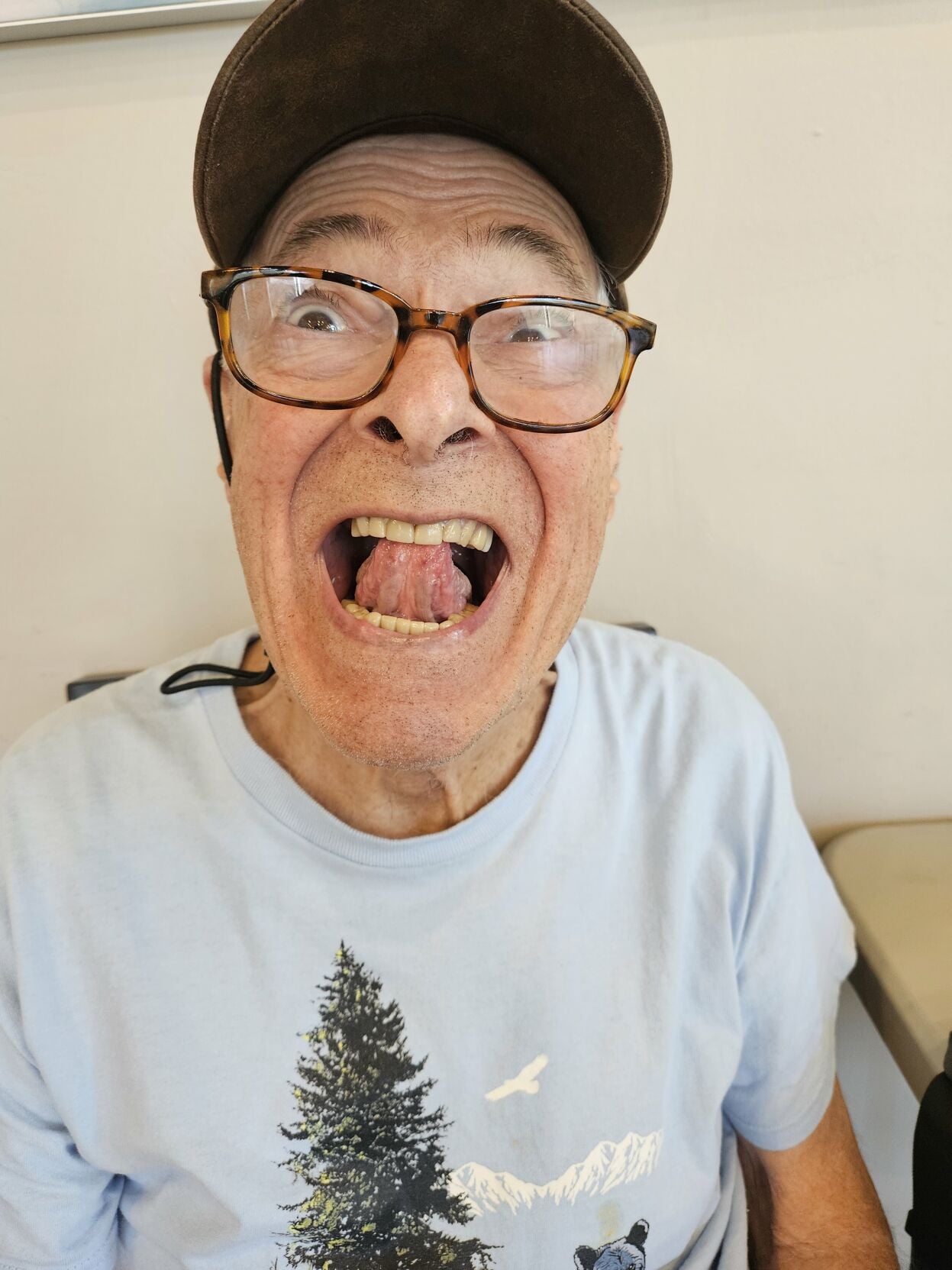
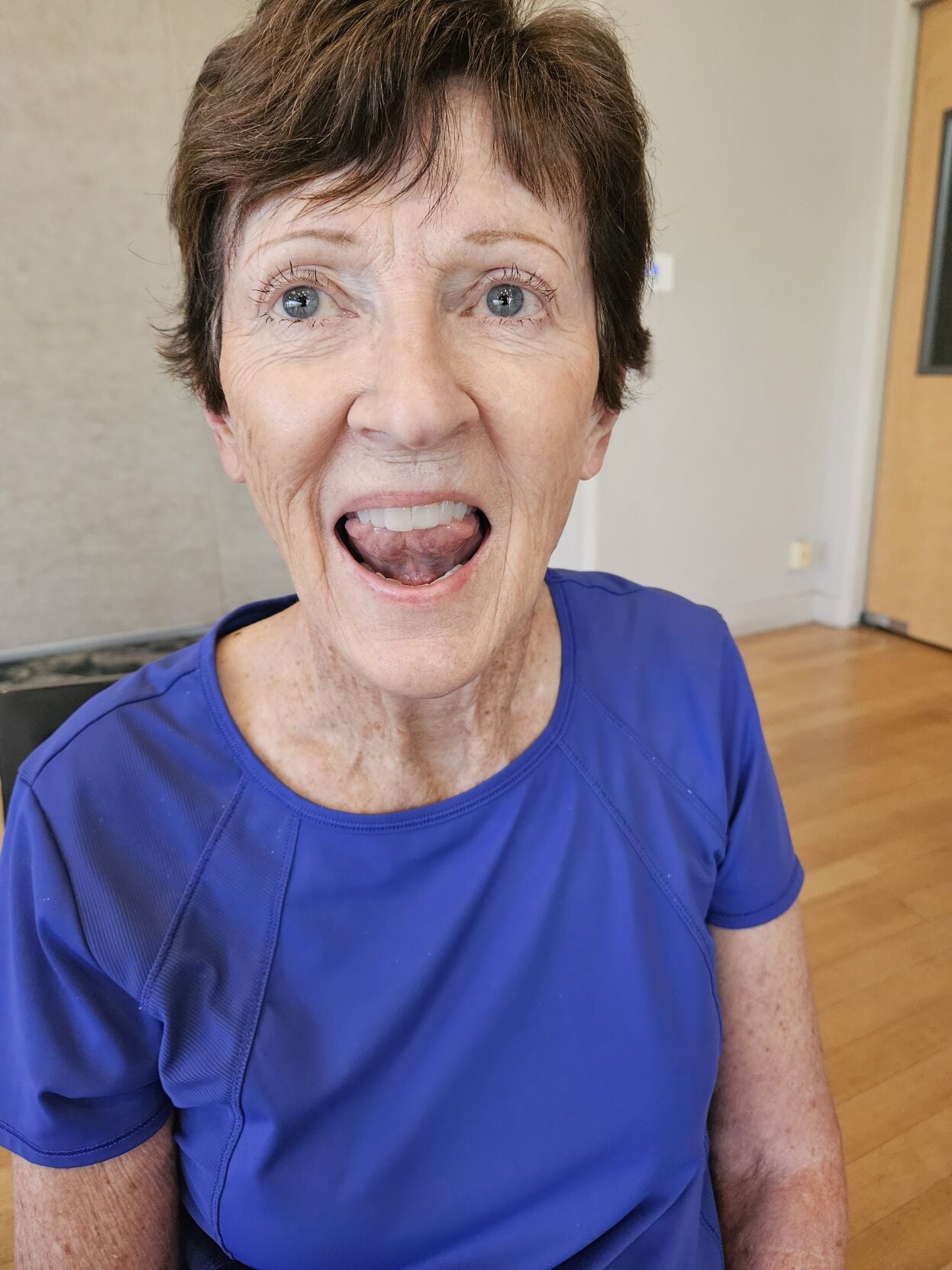
Today we practiced breathing and swallowing exercises. And we laughed at the contortions our faces made. Keep a sense of humor.
 Tucson official: Air Force won't pay for D-M groundwater cleanup now


