


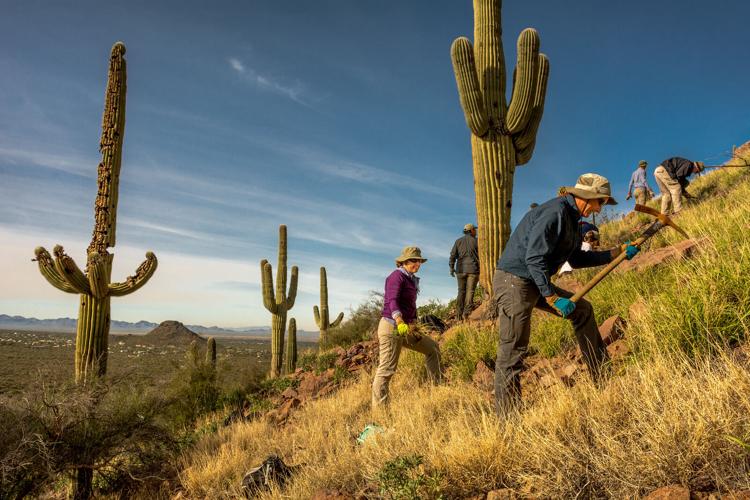

It’s that time of year in Tucson when annual buffelgrass removal efforts are underway across the basin, and dedicated volunteers are rolling up their sleeves to make a difference for the desert ecosystem.

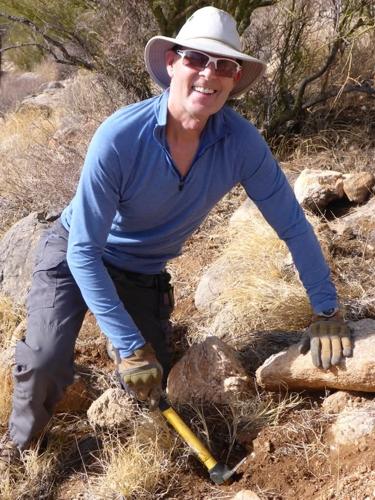
Brent Linker, volunteer for the Catalina State Park Buffelgrass Slayers.
Brent Linker has been a volunteer with the Catalina State Park Buffelgrass Slayers since 2018, helping remove the invasive grass that smothers young saguaros and fuels fires that can kill native plants, cacti and wildlife. Here’s what he had to say about buffelgrass removal, and why he volunteers his time to fight back:
What is buffelgrass and why is removal so important?
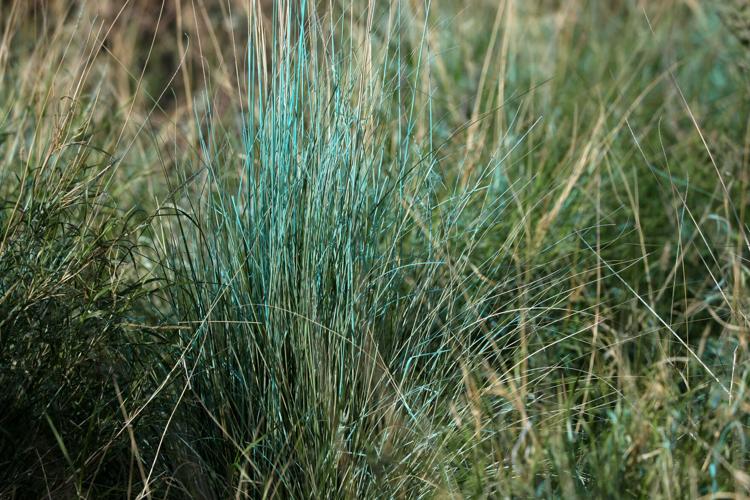
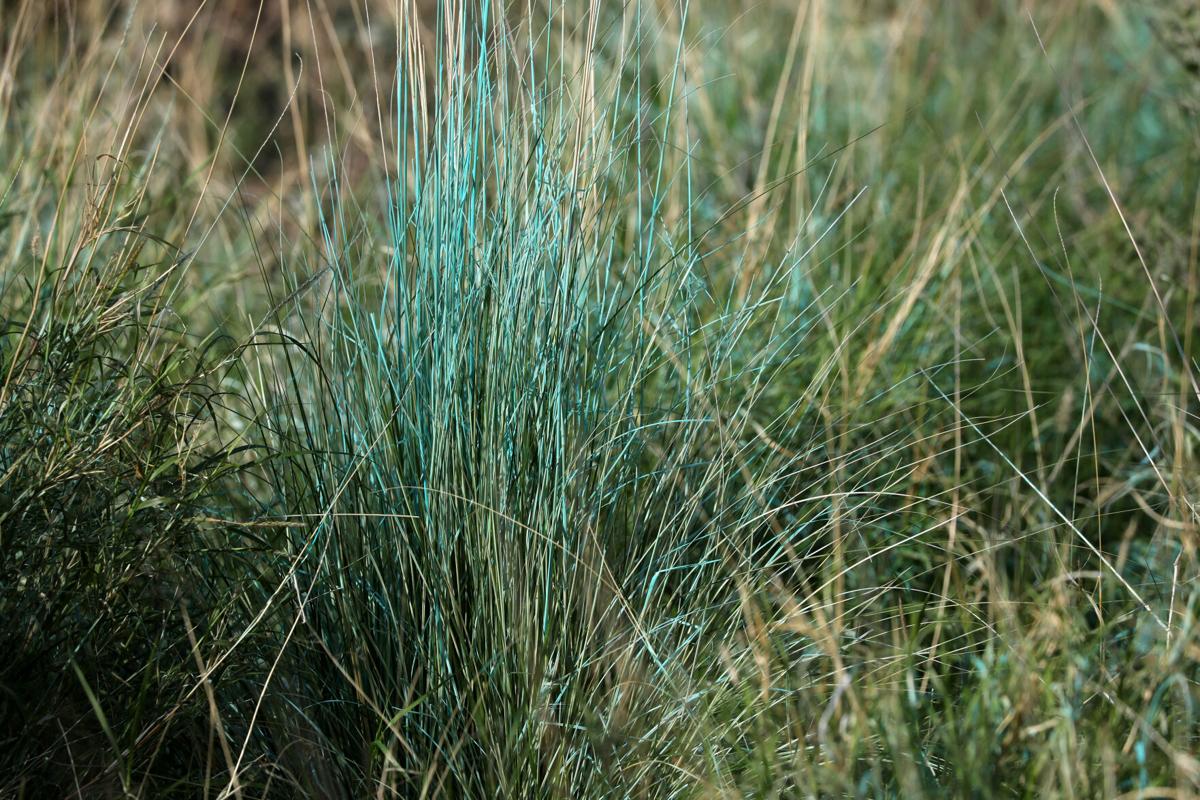
“Buffelgrass is an incredibly, incredibly invasive and destructive plant here in the Sonoran Desert. It's been around in this area since the 1930s, it was brought in for food for cattle livestock, but we know all too well now it's very much a severe fire hazard.”
How did you get involved in buffelgrass removal efforts?
“I moved out of state for a few years, about three years, and when I moved back here in 2018, I vowed that as soon as I got back, I would jump into the whole buffelgrass eradication effort, and the Catalina State Buffelgrass Slayers were the first group I joined up with and I’m a regular volunteer with them now.”
What difference have volunteer groups made in removing buffelgrass from the ecosystem?
“The whole effort to fight buffelgrass is two steps forward, one step back. We’ll see it reappear in places, but every time it reappears, it’s in smaller quantities. I do consider it very much a multi-generational fight. This is not something that one group of people will get rid of in say just a few years,10 years, for example. For that reason, it's really important for us to bring young people in and introduce them to this, educate them on what a severe threat this is to our Sonoran Desert ecosystem. We've been quite successful in bringing in a wide range of ages as far as participants, volunteers, so I'm confident. I think we will ultimately win this fight.”
How can other people get involved in buffelgrass removal efforts?
“The Arizona Sonoran Desert Museum is heavily involved in this. They have a site called Save Our Saguaros, where you might go read up on it, and folks can sign up for different efforts.”
“If getting out there and working 4-5 hours on a slope may be a bit much to take on, just helping out financially, contributing to the Desert Museum for equipment they use for removing buffelgrass, and publicity efforts, all of that helps.”
What is a day in the field slaying buffelgrass like?
“We go out the first Saturday of every month, usually starting in November, and our last warm weather day is usually April. We get out there early, we start the day usually around 8 a.m. and for our group, it usually involves maybe roughly a one to one and a half mile hike into the park to find a target area to work on that day, and we’ll work on getting buffelgrass usually for 3-4 hours.”
What do you enjoy about the experience?
“For me personally, I just really enjoy getting out there and knowing that I'm doing something that's making a difference. And the fact that it is hands on, I actually enjoy that part of it.”

People dig up and pull buffelgrass in Saguaro National Park in 2019.
Closing thoughts:
“I do believe the important thing is getting the word out about how incredibly invasive, and how incredibly destructive buffelgrass is. We live in an extraordinarily beautiful place and it's such an important thing that with this, and with other invasive species, that we fight.”

