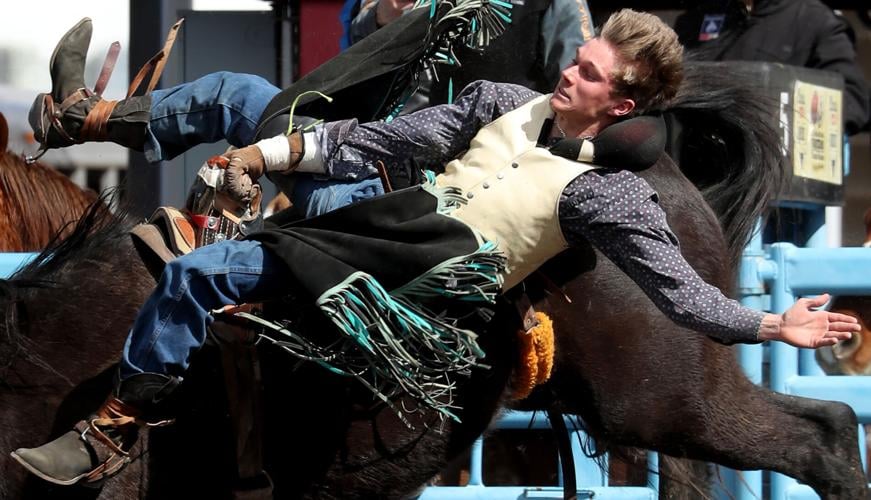
The holidays are in the rearview mirror, but winter fun is just ramping up in Tucson with the kick-off of rodeo season.
The first event on the calendar is the Seventh Annual Tucson Rodeo Parade Barn Dance Fundraiser at 5 p.m. on Sunday, Jan. 14 at The Maverick, 6622 E. Tanque Verde Road.
The dance is a benefit for the parade — and it’s one-of-a-kind museum — which has been a cornerstone of La Fiesta de los Vaqueros Tucson Rodeo since its inception in 1925.
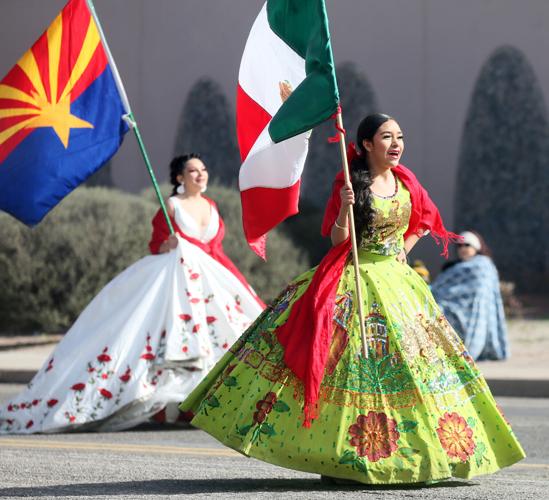
“The parade is a celebration of Western heritage. We like to think we celebrate all of the various groups that have made Tucson and the Southwest what it is. We have parade entries from The Native Tohono O’odham and Pascua Yaqui tribes, from the Hispanic population and from the Anglos that came in later … as well as the Chinese population that helped establish Tucson, and, of course, the cowboys,” said Herb Wagner, Secretary of the Board of Directors for the Tucson Rodeo Parade Committee and Head of Entries for the parade.
People are also reading…
One of more than 225 volunteers — including 75 marshals on horseback — who make the rodeo parade a reality each year, Wagner has been a member of the committee for 38 years.
He is proud to facilitate an event that is significant to generations of Tucsonans and visitors to the region alike.
“The rodeo parade is a wonderful experiences for people here in Southern Arizona and it has become a tradition for families. Many people who grew up here in Tucson came with their parents or grandparents as children to sit along the parade route and now they do the same with their kids: It is a generational thing. We have visitors from around the country who plan their vacations so they are here during the rodeo and the parade,” Wagner said.
Wagner said that Tucson remains the only city in the U.S. that closes schools for the rodeo, and the city has also continued the tradition of holding the parade on the Thursday prior to the last weekend of the rodeo. This year the parade is on Thursday, Feb. 22, and La Fiesta de los Vaqueros begins on Saturday, Feb. 17, and ends on Sunday, Feb. 25.
“Back in the day, the Tucson rodeo was four days long, and the downtown parade kicked off the event on the Thursday before the rodeo. Over the years the rodeo got bigger and bigger. Like most of the big rodeos, it is six performances or more, so the parade is in the middle of the week, but we have never changed the scheduling because schools have rodeo week off. There is a lot of history there,” said Jose Calderon, Chairman of La Fiesta de los Vaqueros.
Now known as the largest non-motorized parade in the country, Wagner said the parade has also been designated one of the largest single-day spectator events in the state by the Arizona Chamber of Commerce. Spectators can expect to at least 70 historic horse-drawn wagons and buggies that have been restored and maintained by the Parade Museum; 20 privately-owned horse-drawn wagons and carriages; marching bands from seven local high schools and the University of Arizona; long-time participants such as the Tucson Arizona Boys Chorus, the League of Mexican-American Women and the Mormon Battalion; local businesses; local riding groups; performances of mariachi, Mexican Banda and other entertainment; and “Rodeo Royalty” from rodeos throughout Arizona.
The event is free for those who line the parade route near the Tucson Rodeo Grounds; tickets are also available to view the festivities from the Tucson Rodeo Parade Grandstand. The parade will begin at 9 a.m. and Grandstand tickets include pre-parade entertainment, which begins at 8 a.m. Details and tickets are available at https://www.tucsonrodeoparade.com/the-parade/purchase-grandstand-tickets/.
“We have 100,000 to 150,000 people on the streets watching the parade. That is a lot of people, and it takes a lot of volunteers to make it happen. We need help with safety and crowd control, and we are always looking for volunteers to help with preparations, on parade day and in the Parade Museum. There are many opportunities for volunteers,” Wagner said.
Ultimately, Wagner said that the Fiesta de las Vaqueros and the Rodeo Parade are separate nonprofits that work together and serve as a boon to the local economy.
“Eller College of Management at the University of Arizona did an analysis some years back and found that the week and half of rodeo and the parade generate $14 million for the Tucson community every year, and that number has likely grown since then,” Wagner said.