

Newman, Jerry Seinfeld's nemesis in his eponymous sitcom, famously said, "When you control the mail, you control information."
That was something Founding Father Benjamin Franklin knew very well. He oversaw the mail service from 1753 until 1774, improving a rough system that connected the 13 British colonies. When it became clear war between the Americans and Britain was inevitable, according to Smithsonian Magazine, Franklin and his fellow rebels relied on an underground communications network to share crucial information.
In 1775, the Continental Congress created what would become the United States Postal Service, with Franklin as its first postmaster general. It was, the agency's website says, "the first — and for many citizens, the most consequential — function of the new government."
Now, 251 years later, the USPS is still a vital government function, even as it faces a financial crisis that forced it to temporarily pause pension plan payments and raise prices.
People are also reading…
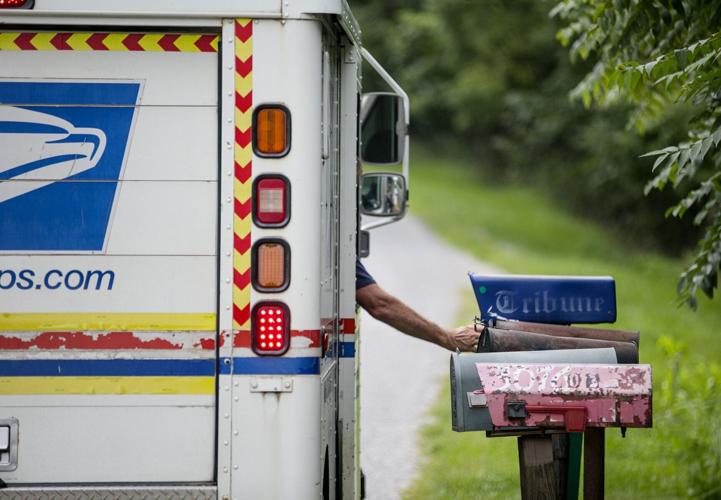
The USPS still gets the mail to Americans — by whatever means necessary: auto, boat, air or even mule — no matter how far-flung their location, USPS's historian and corporate information services manager Steve Kochersperger said.
Fueling innovation
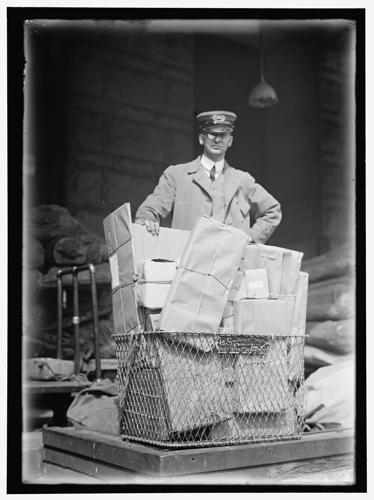
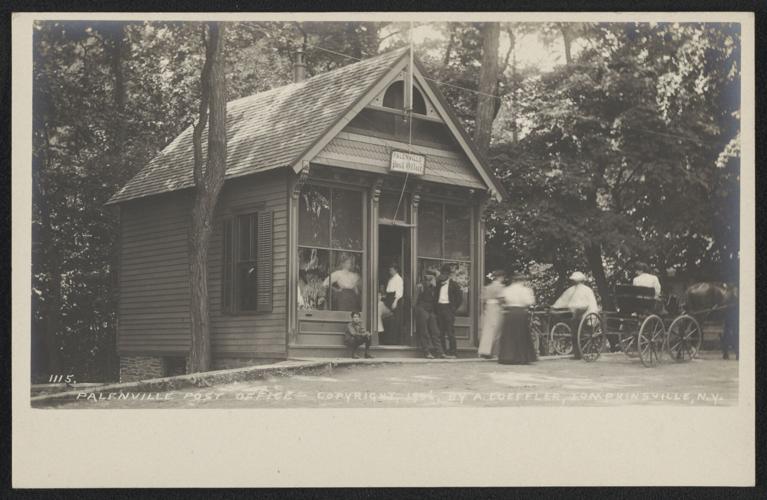
Before the Civil War, Kochersperger said, Americans had to travel to their local post office; in many smaller communities, that meant a trip to the general store or another centrally located business.
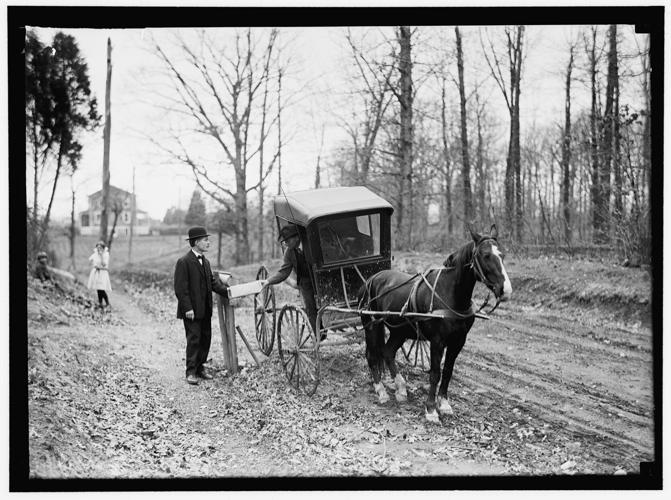
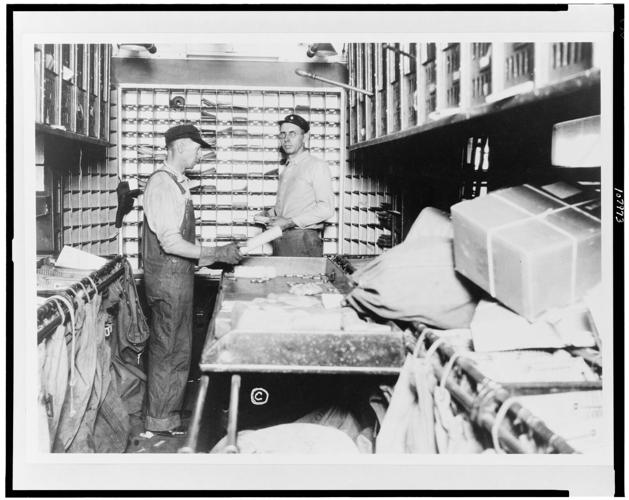
Newspapers, vital sources of information, were given subsidies to allow them to be mailed. Still, it could be costly to mail letters and correspondence, said Lynn Heidelbaugh, curator with the Smithsonian National Postal Museum. In 1845, postage rates were lowered to make them more affordable, and in 1847, postage stamps were introduced, adding convenience. Mail was delivered to post offices by horses, stage coaches and later by train.
As the Civil War unfolded, Heidelbaugh said, it wasn't uncommon to see women with children lined up at urban post offices awaiting letters from sons and husbands away at war. In 1863, free home delivery began in cities, though "it took decades of debate in Congress" for free home delivery to spread to small towns and villages, she said. By 1902, rural free delivery was standard throughout the U.S.
In 1889, President Benjamin Harrison appointed Philadelphia department store owner John Wanamaker as postmaster general, who lobbied for rural free delivery, commemorative stamps and pneumatic tubes — innovations that would be implemented after his term ended in 1893, Kochersperger said.
"Sears & Roebuck and Montgomery Ward, they were the Amazons of their day," he said. "Their businesses expanded when they could send catalogs to people directly." Americans, even in far-flung places, could receive home-delivered parcels starting in 1913.
Boosting access
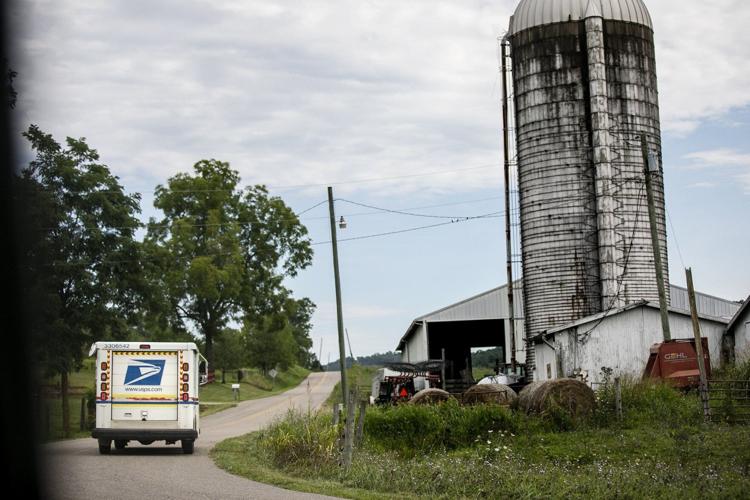
The USPS's mandate for universal service meant it had to be able to access hard-to-reach areas, Heidelbaugh said, and that helped many communities become more connected.
"Rural delivery helped make the case for better roads," she said. "Rural communities were already trying to improve roads and having a rural carrier using those roads helped them make the case to demand better roads that were graded, paved and maintained."
The Constitution gives Congress the power to establish post offices and postal roads, a provision she said has "huge latitude" and interpreted to include not just paved roads, but also waterways, canals, railways and air mail service. That had implications for rural communities and commercial entities.
"When those funds go toward different (postal) routes, the businesses transporting the mail get a steady stream of income, so for example, rail companies carrying mail can invest more in passenger service," she said.
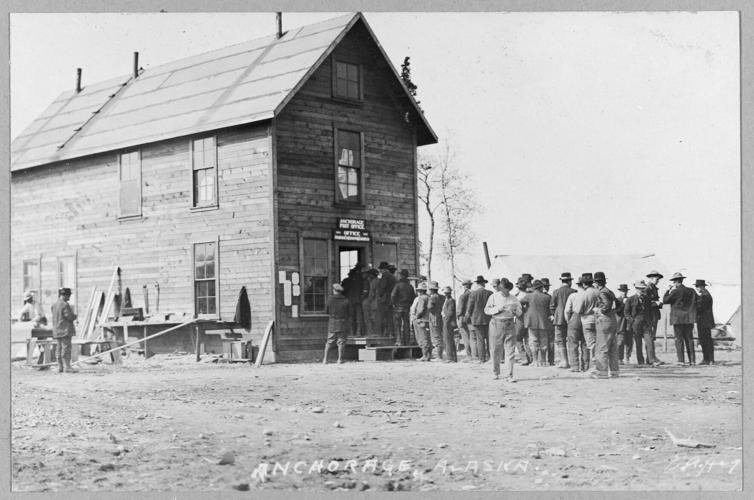
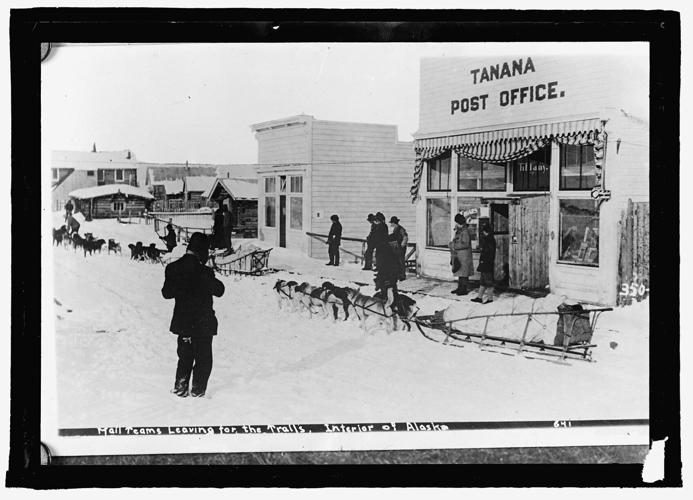
The postal service can be a lifeline for many Americans in remote or distant places, from rural areas in the Continental United States to hard-to-reach areas of Alaska to faraway territories like Guam and military bases all over the world.
Newspapers and letters helped keep families informed and connected, "especially in times of crisis, like during war, if you had a loved one far away," Kochersperger said.
The mail is a way for the federal government to provide services to people, to communicate; the Internal Revenue Service, for instance, communicates with taxpayers via mail.
"If your nearest pharmacy is a day's drive away, you may depend on the Postal Service to get medications that keep you alive," Kochersperger said.
USPS delivers to remote Alaskan villages accessible only by air and at certain times of year. There is a Detroit River service that delivers mail to boats on the waterway and the Supai Post Office delivers mail to members of the Havasupai tribe in the Grand Canyon by mule train — "the best and most cost-effective way" to access an area inaccessible by auto and too dangerous for small aircraft, he said.
Throughout the U.S., he said, "You can take for granted when you drop something in the mailbox that it’s going to get there."
Changing times
The 21st century brought stark challenges for the Postal Service, which struggled for decades to keep costs in line while delivering all over the U.S. and the world.
USPS lost money each year since 2007, according to the U.S. Government Accountability Office — a total of about $109 billion through fiscal year 2024.
Americans' habits changed: Communications, bill paying and document signing can be done online. In fiscal 2024, USPS delivered 112 billion pieces of mail, and while that might sound like a massive volume, it's actually down almost 50% from its peak in 2006, according to the Postal Regulatory Commission.
On May 8, Postmaster General David Steiner said the fiscal outlook for the USPS under its current business model is "unsustainable." He noted, "Revenues and services cannot offset the costs associated with the universal service obligation."
Congress, he said, views allotting more money "as a public service reimbursement for the universal service that the Postal Service provides to the nation — a service no other private enterprise is willing or capable of doing."
He acknowledged in March that 71% of postal routes cost the USPS money. Meanwhile, postage costs, despite frequent increases, remain the lowest among industrialized nations.
Critics say the Postal Service needs a dramatic overhaul. The Wall Street Journal wrote in a May 11 editorial that another congressional “bailout” is not the answer. “Its business model is an anachronism in a digital world,” and the number of addresses it must reach keeps going up — as do costs.
The newspaper urged Congress to let go of mandates on postage rates and universal delivery.
Steiner proposed updating Congress' reimbursement amount to better reflect fiscal realities, including changes to the USPS's ability to borrow money and reforms to its retirement plans. The need for a robust postal service should not be partisan, he added.


