

The July 4 fireworks display in the Cleveland suburb of Shaker Heights was anything but a family affair.
As many as 1,000 teenagers, mobilized through social networking sites, turned out and soon started fighting and disrupting the event.
Thanks to social networks like Twitter and Facebook, more and more so-called flash mobs are materializing across the globe, leaving police scrambling to keep tabs on the spontaneous assemblies. On Tuesday night, Britain was bracing for a fourth night of rioting as youths used BlackBerry cellphones to mobilize.
One looter's text message before the violence spread read: "If you're down for making money, we're about to go hard in east London."
Flash mobs started off in 2003 as peaceful and often humorous acts of public performance, such as mass dance routines or street pillow fights. But in recent years, the term has taken a darker twist as criminals exploit the anonymity of crowds, using social networking to coordinate everything from robberies to fights to general chaos.
People are also reading…
"They're gathering with an intent behind it - not just to enjoy the event," Shaker Heights Police Chief D. Scott Lee said. "All too often, some of the intent is malicious."
A Philadelphia man was assaulted by a group of about 30 people who were believed to have gotten together through Twitter. In 2009, crowds swelled along the trendy South Street shopping district and assaulted several people.
On June 23, a couple dozen youths arrived via subway in Upper Darby, outside Philadelphia, and looted several hundred dollars of sneakers, socks and wrist watches from a Sears store. Their haul wasn't especially impressive but the sheer size of the group and the speed of the roughly five-minute operation made them all but impossible to stop.
Dubbed "flash mob robberies," the thefts are bedeviling both police and retailers, who say some of the heists were orchestrated or at least boasted about afterward on social networking sites.
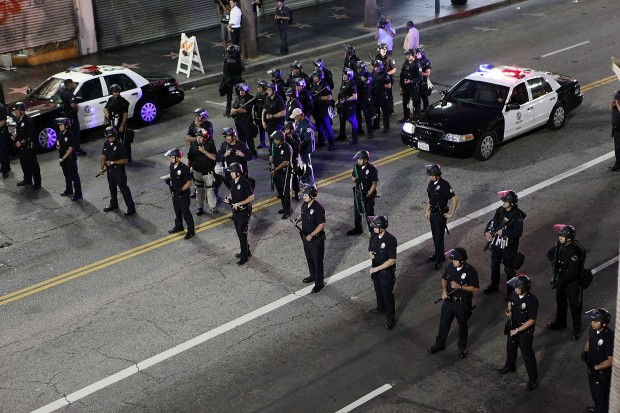
In Los Angeles last month, thousands of ravers forced rush-hour street closures when they descended on a Hollywood cinema after a DJ tweeted he was holding a free block party. The sudden crowd dispersed only after police fired bean-bag bullets at the restive revelers and arrested three.
There have been some legislative efforts to criminalize flash mobs.
The Cleveland City Council passed a bill to make it illegal to use social media to organize a violent and disorderly flash mob, though the mayor vetoed the measure after the ACLU of Ohio promised it would be unconstitutional. The bill was at least partly inspired by the Shaker Heights disturbances on July 4.
The mayor of Philadelphia is combating flash mobs by ordering anyone under 18 to be off the streets by 9 p.m. on Friday and Saturday nights in problem-plagued areas of the city.


