The following is the opinion and analysis of the writers:
As concerned citizens, energy consumers, and the leaders of the Arizona Chapter of Mormon Women for Ethical Government (MWEG), we closely follow energy policy in our state, and specifically the Arizona Corporation Commission (ACC), an elected body with a constitutional duty to protect ratepayers.
The ACC has regular open meetings where Arizona citizens can speak to agenda items. We have commented in several open meetings in the past, but have sometimes found the process frustrating and inefficient. This was especially true of the open meeting on Jan. 10, which we attended to oppose the Southwest Gas rate increase. The length and unpredictability of that meeting evidently silenced many citizens and consumers.
Our MWEG representative waited five hours for her turn to make a three-minute comment.
People are also reading…
While a glance at the docket shows a large number of consumer comments opposing the rate increase, only a small fraction of the oral comments during the meeting came from private citizens. It is likely that this is because most consumers cannot work a five-hour wait into their day. Comments were heard mostly from paid lobbyists and trade associations who were supportive of increased gas prices and gas infrastructure. The lack of ratepayer presence in the meeting amplified apparent support for the corporate utility’s interests, which were already unbalanced given recent news that Southwest Gas lobbied for local politicians’ support.
Not surprisingly, the ACC backed Southwest Gas and voted 4-1 to increase rates for most residential customers and small businesses. The increase takes effect in February and follows another hike that took effect only a year ago. The dramatic increase in rates could leave struggling families to choose between heating and other needs. For small businesses, a vital part of our economy, the increase could be crippling, eating into already slim profit margins. But families and small businesses are not who the ACC listened to on Jan. 10.
If the ACC is the democratic body it claims to be, it should proactively structure open meetings to accommodate the public, not just paid utility representatives and industry insiders. While it has made strides in accessibility via remote participation options, it is still almost impossible for anyone with fixed responsibilities to participate. The number of written submissions show that ratepayers want to be heard; the ACC should implement practices to make that possible.
The ACC could begin meetings with agenda items that have received a lot of public attention, such as rate increase cases, so participants do not have to wait through unrelated discussions. Scheduled meeting breaks would also help more workers and caregivers plan their attendance.
The ACC exists for the protection of ratepayers. We therefore ask the ACC to improve its open meeting process so that more Arizonans can be heard.
Follow these steps to easily submit a letter to the editor or guest opinion to the Arizona Daily Star.

Andrea Messinger Dalton

Christie Black
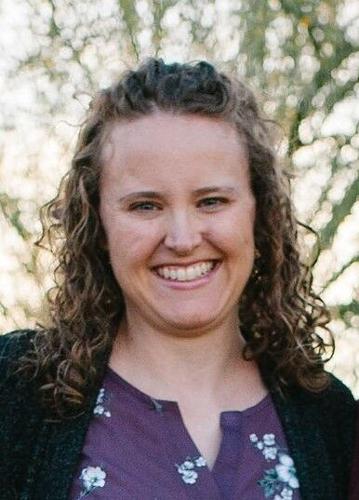
Andrea Messinger Dalton and Christie Black are co-leaders for Mormon Women for Ethical Government Arizona. Messinger Dalton is an Oro Valley resident and Black lives in Mesa.