


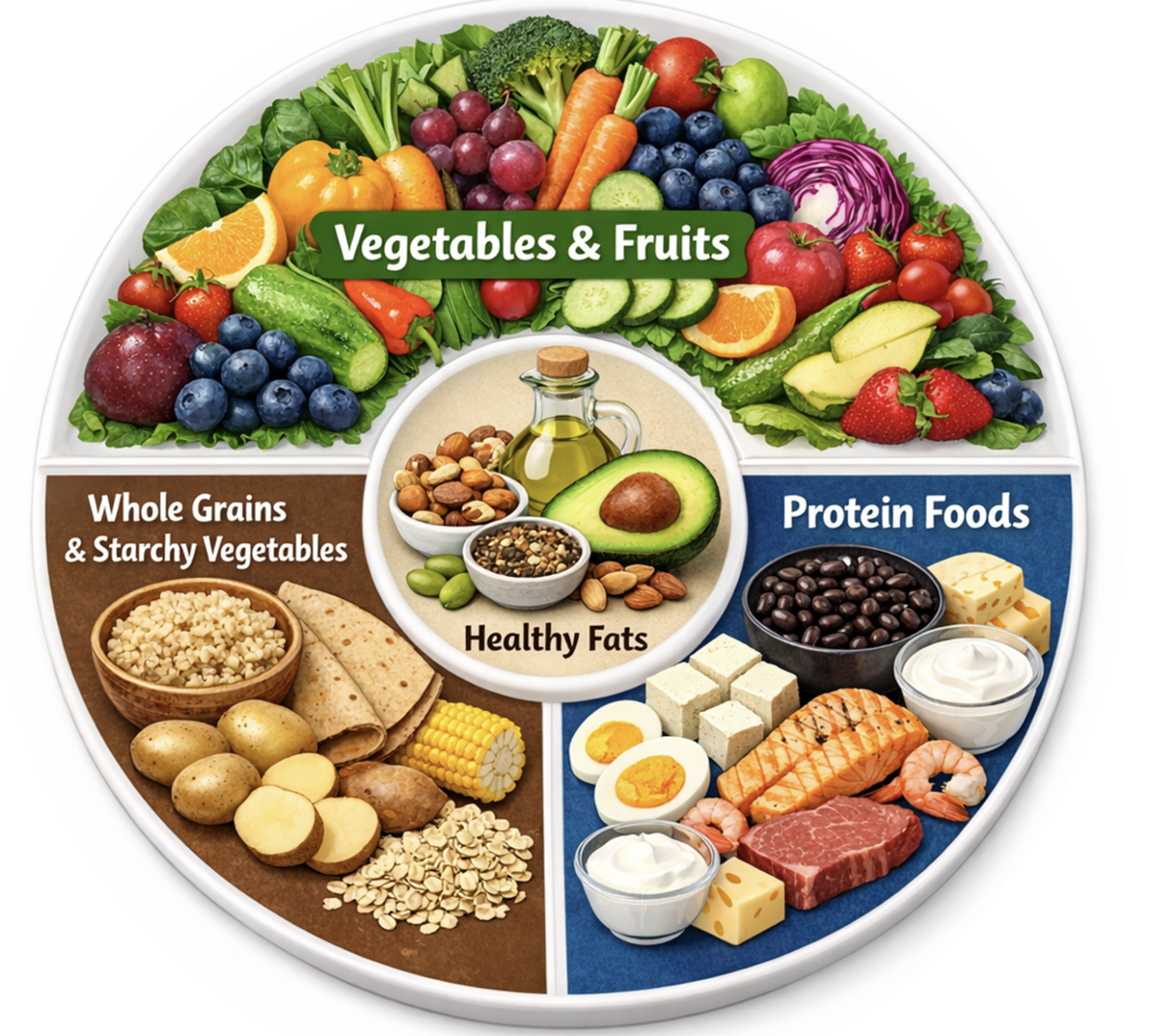
With the release of the 2025–2030 Dietary Guidelines for Americans (DGA), the current administration announced an “end to the war on protein.” This signals a shift from previous recommendations focused on preventing deficiency (0.8 g/kg body weight) to new guidelines that encourage higher protein intake for optimal health—now set at 1.2 to 1.6 g/kg.
Most Americans already meet or exceed the minimum protein recommendation. However, 13–19% of adults aged 71 and older may fall short, often due to lower calorie intake, reduced appetite, or difficulty chewing.
The updated guidelines essentially double the recommended protein intake. Under these standards, fewer than 30% of older adults consume enough protein to help prevent sarcopenia (age-related muscle loss).
To estimate your daily protein requirement, simply take your weight in pounds and divide it by two. The result is the number of grams of protein you should aim for each day. For instance, if you weigh 150 pounds, your daily protein goal would be 75 grams. To support muscle health, try to distribute this protein intake evenly across your meals.
If you have excess body fat, aim to get 25% of your daily calories from protein. For example, if you are following a 1,500-calorie diet for weight loss, this means you should consume about 94 grams of protein per day, or roughly 30 grams per meal. Whenever possible, choose whole foods to meet your protein needs, rather than relying on protein powders or bars, as whole foods provide additional naturally occurring nutrients.
Protein quality matters, too. The amino acid leucine is key for muscle protein synthesis, and 2–3 grams per meal is recommended. Good sources include soy, fish, seafood, shellfish, meat, eggs, cheese, and dairy.
Meals can be tailored to any dietary preference—vegan, vegetarian, pescatarian, or omnivore—while still meeting protein and leucine needs. Including whole grains, legumes, and vegetables ensures meals are also rich in fiber and micronutrients. Here are three sample meals, each with a different primary protein source:
- Plant-Based:½ cup firm tofu (cubed, sautéed) + 2 tbsp hemp seeds, 1 cup sautéed spinach and bell peppers, ½ cup black beans, ½ cup cooked brown rice.
Approximate nutrition: 27g protein, 3.1g leucine, 15g fiber, 480 calories - Vegetarian:2 large eggs (any style) + ½ cup cottage cheese, 1 cup sautéed spinach and bell peppers, ½ cup black beans, ½ cup cooked brown rice.
Approximate nutrition: 31g protein, 3.2g leucine, 12g fiber, 470 calories - Pescatarian:3 oz grilled salmon, 1 cup sautéed spinach and bell peppers, ½ cup black beans, ½ cup cooked brown rice.
Approximate nutrition: 32g protein, 3.5g leucine, 12g fiber, 470 calories
Each meal provides 25–30 grams of protein and sufficient leucine. While beans are a good source of leucine, larger portions (1–2 cups) may be needed to reach the 2.5–3 gram threshold for optimal muscle protein synthesis.
Don’t overlook fiber—an essential nutrient. The recommended daily intake is 28–40 grams, but most Americans consume less than 12 grams. Only unrefined plant foods contain fiber, so aim to fill three-quarters of your plate with fiber-rich foods.
The Academy of Nutrition and Dietetics offers a comprehensive suite of resources to help you make informed nutrition decisions at every stage of life. From navigating diet trends and planning budget-friendly grocery trips to managing chronic conditions, their evidence-based guidance supports your health and well-being.
- Explore resources and find a nutrition expert: eatright.org/for-seniors [eatright.org]
As a trusted source of food and nutrition information, the Academy and registered dietitians can help you confidently make choices that align with your health goals.
Nancy Teeter is a Registered Dietitian and a SaddleBrooke resident. Although mostly retired, she remains passionate about sharing her nutritional knowledge with others. Always consult your medical provider before making lifestyle changes.


