


Probiotics are live microorganisms—usually bacteria or yeasts—that may benefit health when taken in adequate amounts. Prebiotics are fibers that nourish beneficial gut microbes. Both are often promoted as ways to support a healthy microbiome, but when it comes to supplements, the evidence is less clear-cut than the marketing suggests.
Here is the bottom line: probiotics are not a cure-all, and they do not appear to dramatically improve gut microbiome diversity in healthy adults. A 2026 systematic review and meta-analysis of randomized trials found no significant improvement in common measures of gut microbial diversity among healthy people taking probiotic supplements. That does not mean probiotics never help; it means benefits are likely to depend on the strain, the condition being treated, and the individual.
Where does the evidence look stronger? Certain probiotics may help prevent antibiotic-associated diarrhea, and some strains may reduce the risk of Clostridioides difficile infection in people at higher risk. Research also suggests that some people with irritable bowel syndrome may notice reduced bloating or constipation, although findings are inconsistent and experts still cannot predict who will benefit.
What about broader claims, such as weight loss, better mood, clearer skin or a stronger immune system? These are active areas of research, but the evidence remains mixed. Recent reviews report promising findings in some areas while emphasizing the need for larger, better-designed studies before broad recommendations can be made.
Another important point: probiotic effects are strain-specific. In other words, a supplement labeled simply as “probiotic” will not necessarily provide a desired benefit unless it contains the specific strain that has been studied for that purpose. A strain that helps reduce antibiotic-associated diarrhea, for example, may not help with irritable bowel syndrome. Some research also suggests that many people do not appreciably “colonize” the probiotic strains they take, which may help explain why results vary so much from person to person.
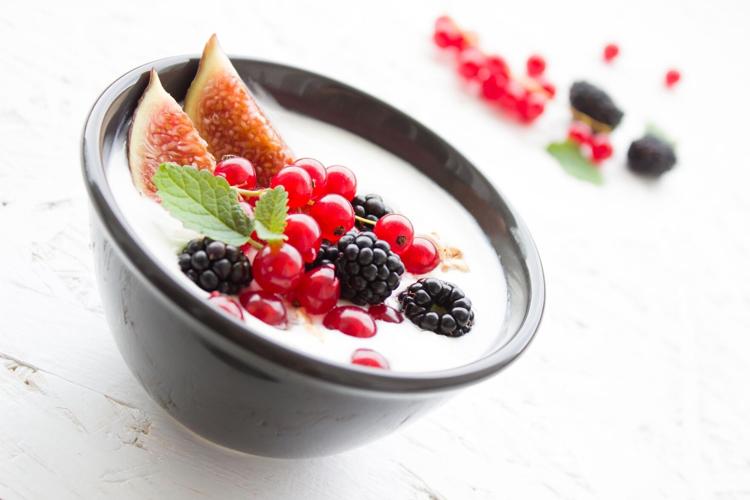
If you want to support gut health, food-first strategies remain the most practical advice. Fermented foods such as yogurt with live cultures, kefir, kimchi, sauerkraut and miso can be useful additions to a nutritious diet. You might include a small bowl of yogurt or kefir with breakfast, add a few forkfuls of kimchi or sauerkraut to salads or grain bowls or enjoy miso soup as a starter. Aim for a daily serving of a fermented food if it suits your tastes and your digestion. A 2025 systematic review of fermented foods in healthy adults found possible benefits for bowel habits and digestive symptoms, although the certainty of evidence was often low. Just as important, a varied, fiber-rich eating pattern gives gut microbes the fuel they need. To increase fiber, try adding beans or lentils to meals, topping oatmeal with fruit and nuts or choosing whole grains over refined ones. To learn more about fiber intake, read my March article online, “The Fiber Gap Is Hurting Our Health”. Visit saddlebagnotes.com/health-and-fitness.
Safety Deserves Attention
For most healthy adults, probiotic foods are generally low risk. Supplements are a different story. In the United States, probiotics sold as dietary supplements are not regulated like prescription drugs, so product quality and labeling may vary. Long-term safety data are also limited. While most studies in healthy adults report few side effects, the effects of taking probiotic supplements regularly over months or years remain poorly understood. People who are immunocompromised, medically fragile or caring for premature infants should not start probiotic supplements without medical guidance.
If probiotic foods suit you, enjoy them. For supplements—especially for concerns such as antibiotic-related diarrhea—ask a medical practitioner about the specific strain and dose. For general health, stick with the basics: eat a varied, plant-rich diet, include fermented foods if you wish and be wary of broad supplement claims.
Nancy Teeter is a Registered Dietitian and a SaddleBrooke resident. Although mostly retired, she remains passionate about sharing her nutrition knowledge with others. Always consult your medical provider before making lifestyle changes.


