
In April 2022, Cornell Lab published an article focused on avian influenza and addressed the question of whether bird feeders should be removed to reduce the risk of spreading avian influenza, or bird flu. Since then, avian influenza has continued to spread worldwide, affecting domestic poultry especially, but also waterfowl, raptors, shorebirds, other species of birds and some mammals around the world. Cornell Lab just recently (on Wednesday, March 5, 2025) updated that original article to reflect new developments in this increasingly concerning outbreak. If you are unfamiliar with Cornell Lab of Ornithology, it is the premier center for ornithological education and research in the United States. Founded 110 years ago, it is part of Cornell University in Ithaca, New York, and has grown significantly since its founding, with an annual budget in excess of 45 million dollars. The facilities are located on 300 acres in the Sapsucker Woods Sanctuary, where more than 250 scientists, professors, staff and students work on a variety of projects conserving Earth’s biological diversity focused on birds. If you are a birder, it is no doubt are familiar with eBird and Merlin, two of their most popular apps.
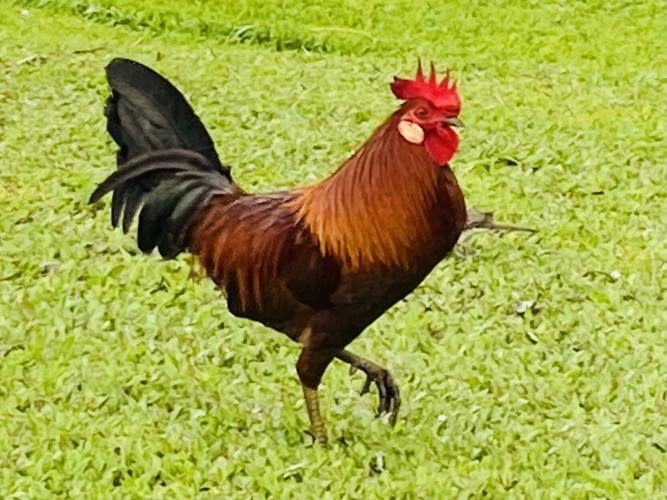
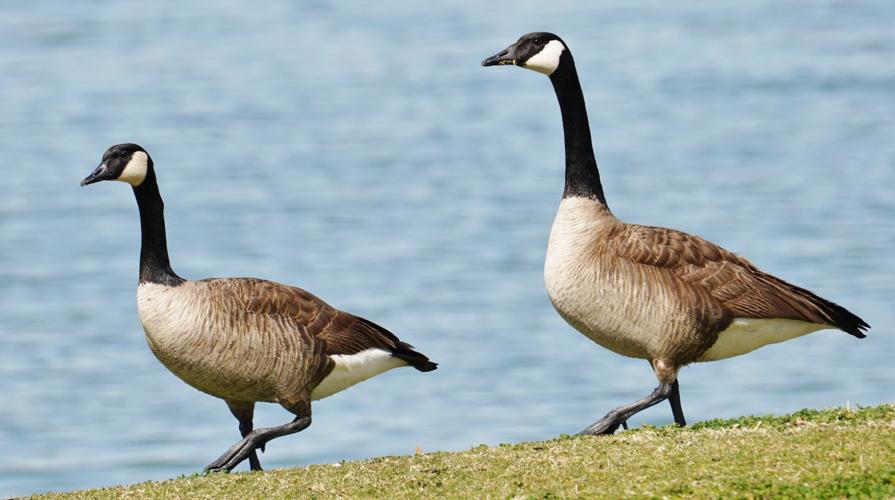
The current flu strain, H5N1, causes heavy poultry losses and is known as highly pathogenic avian influenza, or HPAI. This strain of bird flu is deadly to poultry and affects a variety of wild birds, especially migratory waterfowl such as Canada Geese, Mallards and Snow Geese, which are common carriers of avian influenza. But while there has been widespread transmission of avian flu to waterfowl and raptors, there have been relatively few documented cases of HPAI in songbirds and other feeder visitors to date. This means that there is only a low risk of an outbreak among wild songbirds, and the only recommendation to take down feeders is limited to those who also keep domestic poultry, according to the National Wildlife Disease Program.
The US Department of Agriculture’s APHIS (Animal and Plant Health Inspection Service) conducts a strong surveillance program that routinely samples wild birds, including flocks of songbirds and other species that are often found around humans, such as pigeons. These results are found on their Wild Bird Avian Influenza Surveillance dashboard. USDA APHIS has found that HPAI affects different types of birds unequally, with domestic poultry extremely susceptible (to the point of one hundred percent mortality), waterfowl and raptors sensitive to getting and transmitting the disease and songbirds much less likely to contract HPAI or to transmit the virus.
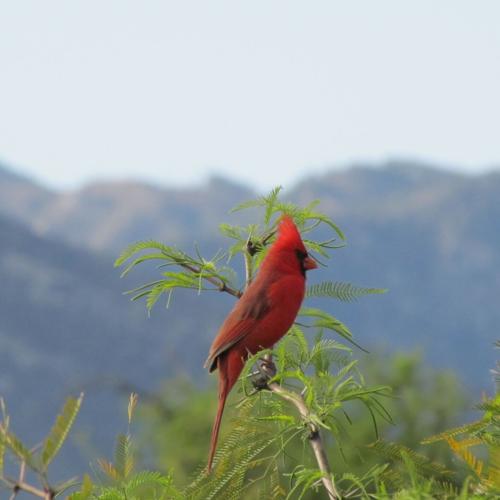
According to a study in Journal of Wildlife Diseases, “there is no evidence supporting (passerines and terrestrial wild birds) involvement as natural reservoirs for IAV.” For these reasons, it is unlikely that bird feeders will contribute to a songbird outbreak. A Cornell Lab list of wild bird species with HPAI detections from 2022 to Wednesday, March 5, 2025, shows 11,413 detections with only 361 detections in passerines (songbirds). Many of our passerines, like Gambel’s Quail, mockingbirds, cardinals, wrens, bluebirds and warblers are absent altogether from the list.
While HPAI detections have been found in all states, Arizona’s cases are limited to four counties, with the largest number of infected birds (egg laying chickens) occurring in Pinal County at a commercial site. This did not involve wild birds, but it probably didn’t help to keep the price of eggs reasonable. And although the desert does harbor raptors, our scarce water resources limit our population of disease vector waterfowl compared to more waterlogged states. The bottom line is that unless you are raising chickens, your bird feeders are good to go.
If you have questions or comments about SaddleBrooke’s birds, or to receive emailed information about bird walks led by Bob and Prudy, call (520) 330-0366 or email bobandpru@gmail.com. Previously published articles can be found at birdingthebrookeandbeyond.com.
 The Mount Rushmore of Arizona Wildcats men's basketball players


