

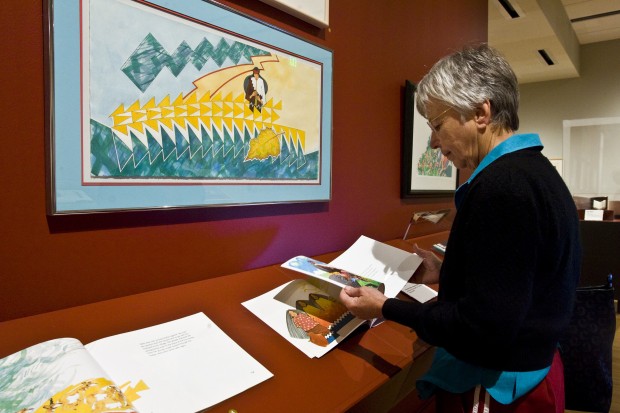
PHOENIX - Bashas' Inc. and its creditors are sparring over a spectacular art collection put together over the years by the company's chairman, Eddie Basha, and his aunt, Zelma Basha Salmeri.
Valued conservatively at $16 million, it's viewed as one of the region's most important collections of contemporary American Indian and Western art.
The grocery chain and the Basha family have been trying to hold on to the more than 3,000 pieces of art, which are carried on the company's books. The company's creditors have been pressing to have the collection sold to pay debts. Its future is expected to be decided in a Chapter 11 reorganization plan that is still being hammered out between Bashas' and its creditors.
"It's among the terms now being discussed," said Bashas' bankruptcy attorney Michael McGrath of Tucson.
Edward "Trey" Basha, Bashas' CEO and family spokesman, declined to discuss the status of the art collection until after the company emerges from Chapter 11 bankruptcy protection.
People are also reading…
Since filing for reorganization July 12, the Chandler-based grocery chain has sold airplanes, computer equipment, liquor licenses, pharmacy records and other assets to raise cash.
So far, the art collection has been kept off the auction block.
The collection is open to the public and can be viewed at a special gallery at Bashas' headquarters in Chandler, known as the Zelma Basha Salmeri Gallery of Western American and Native American Art.
Diana Pardue, curator of collections at the Heard Museum in Phoenix, said, "It's a remarkable collection that was put together with insight and a great eye for quality."
The Bashas' art is a broad collection assembled over the past 40 years and includes Indian baskets, jewelry and Hopi kachinas, as well as paintings by top contemporary Western artists such as John Ford Clymer and Joe Beeler.
Pardue said the Bashas bought top-quality pieces by significant artists and that the pieces have increased in value.
However, McGrath said the market for Western art has dropped significantly with the troubled economy, which is another reason the Bashas have resisted selling the collection.
Bashas' secured lenders, who are owed about $198 million, contend that the art collection is among the company assets pledged as security for the loans.