It's been a long, hot summer across much of the United States. But now that the days are getting shorter and the weather is starting to cool, it's time to get your home ready for fall.
Here's what should be on your home checklist as summer comes to an end.
1. Prep for seasonal pests
As the temperatures drop, pests make their way indoors. That first chilly day of the year means mice, stink bugs, Asian lady beetles and more become residents of your home. If you haven't already, now is the time to pest-proof your home and yard to prevent these creepy crawlies from coming into your home.

2. Schedule HVAC maintenance
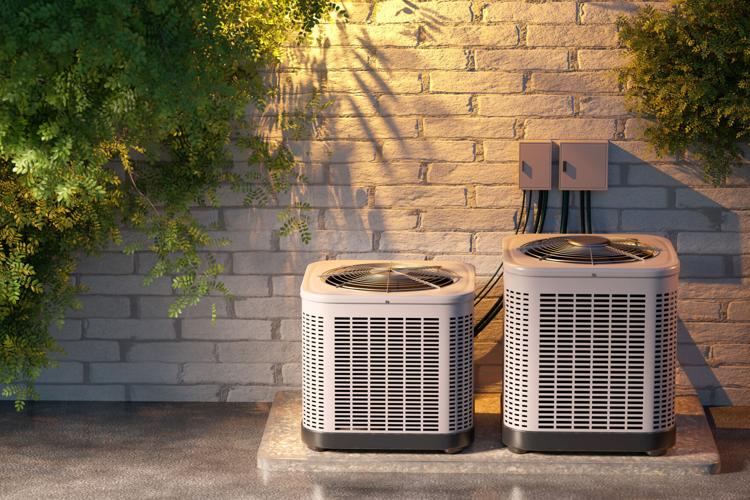
If you do only one thing on this list, it should be to get your HVAC system serviced. During an HVAC tune-up, a service technician will examine your air conditioner, furnace or heat pump to make sure everything is in working order. In the fall, the pros will clean up and winterize your cooling system and get your heating system ready to take on colder weather. They also can catch minor repairs before they turn into costly problems and help prevent major breakdowns that could require an emergency replacement.
People are also reading…
There is also some general HVAC maintenance you can do. Elizabeth Shavers, Oncourse Home Solutions’ General HVAC & Plumbing Manager, recommends homeowners replace the HVAC filter.
"After a summer of running the AC, the switch from cooling to heating is a good time to put in a fresh filter," Shavers says. "Dirty filters restrict airflow and make the system work harder."
Shavers also recommends giving the furnace a test run.
"Don’t wait until the first freezing night to find out something isn’t working," she says. "Turn it on early and look out for unusual noises, weak airflow or anything else that seems off."
3. Prepare outdoor spaces
You have plenty of time left to use your outdoor spaces this year, but now is still a good time to sweep, clean and inspect your decks and patios. First, you'll want to sweep away debris and clean off your patio furniture, then check for damage (due to use or weather).
Nail down loose boards, clean debris out of gaps and tighten loose railings. Consider staining and resealing your deck and giving it a good clean. As you begin putting seasonal items away, it's also a good time to organize your shed and garage.
4. Clean gutters and check drainage
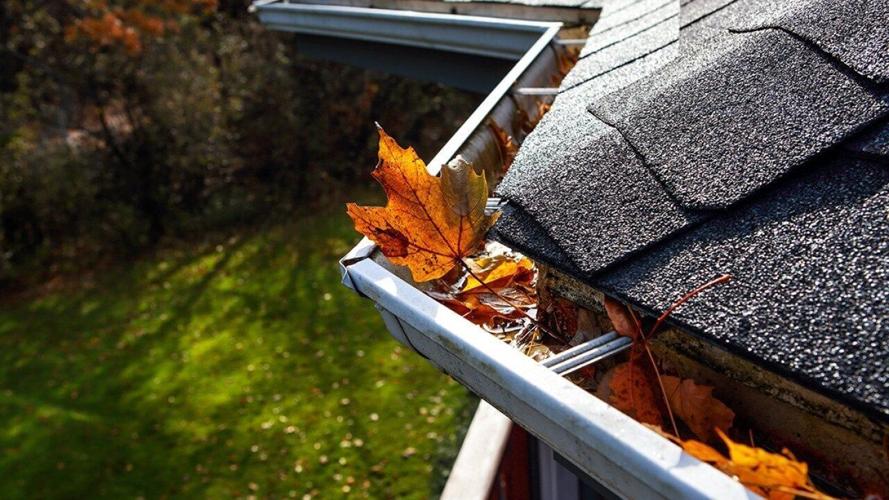
As leaves start to fall, your gutters fill up. To avoid overflowing gutters, you need to clean out your gutters. This involves getting up on a ladder and scooping the leaves, twigs and other debris out of your gutters — or hiring someone to do the job.
If you have a gutter guard, this task is much easier because all you have to do is wipe the debris off the top. DIY gutter guards are available at your local home improvement retailer, but you can get more sophisticated integrated systems from companies like Leafguard.

Autumn leaves settle in a rain gutter on a roof.
5. Seal air leaks around windows and doors
Before the winter months, you'll want to make sure your windows and doors are sealed so that the cold air stays out and the warm air stays in.
"Windows and doors are an important part of the barrier between your home and the elements, helping protect both the home itself and the people inside," says Nicole Willits, a design trend, product and sustainability manager at Pella Corporation. "Late summer is a good time to inspect your windows and address any issues before fall and winter weather arrives."
To prepare, make sure you:
Check for drafts by running your fingers along the edges of your windows and feeling for air.
Inspect the weatherstripping for cracked, compressed or missing foam, vinyl or rubber seals. If anything is broken, replace it.
Clean the tracks on patio doors and wipe down interior window frames so that they close properly.
Examine exterior caulking and reapply if you find gaps.
Test locks and latches to make sure they work.
If you notice cracks, have difficulty opening your windows or notice unusual drafts, there's still time to replace your windows before winter.
6. Stock your cupboards for allergy and flu season
The summer transition into fall also marks the start of peak cold, flu and seasonal allergy season. Taking inventory of your medicine cabinet and pantry now can help you avoid emergency trips to the drug store when someone starts to feel under the weather.
Check expiration dates on over-the-counter medications and replace any item past its expiration date. Consider keeping essentials — pain relievers, fever reducers, cough medicine, throat lozenges, tissues and a thermometer — on hand. If anyone in your household deals with fall allergies, make sure allergy medications and supplies are adequately stocked before fall pollens and mold spores get stirred up.
7. Deep-clean your home
After a summer of kids, pets and plenty of activity moving in and out of the house, fall is a good time to give your home a deep clean and reset for winter. That means cleaning floors, counters and other frequently used surfaces. For floors, a combination vacuum/floor steamer saves time and cleans well.
8. Get your pool ready for off-season
Before temperatures drop, make sure you:
Remove leaves and debris from the surface, walls and bottom of the pool.
Test and balance the water chemistry according to your pool manufacturer or maintenance professional’s recommendations.
Shock the pool with a chlorine or non-chlorine shock treatment a few days before closing to help kill bacteria and prevent algae growth.
Lower the water level and drain equipment as appropriate for your pool and climate to help prevent freeze damage.
Clear the plumbing lines so that water left inside doesn’t freeze, expand and damage the pipes.
Install a properly fitting winter or safety cover to keep leaves, branches and other debris out while the pool isn’t in use.
9. Winterize outdoor faucets
The biggest mistake you can make this fall is forgetting to turn off your exterior water sources. Winterize your faucets by removing and draining your garden hoses, turning off the water source to the outdoor faucet and draining any remaining water.
10. Get your lawn ready for next year
According to Bob Shinn from SavATree, a national home landscaping company, fall is the "single most critical time to set up your lawn and landscape for spring success." That’s because the soil is still warm enough to support root development, helping your lawn establish stronger roots before winter and encouraging healthier growth in the spring.
To make the most out of fall, Shinn says you should:
Aerate and overseed: "Core aeration breaks up compacted soil and improves air, water, and nutrient flow to root zones," Shinn says. "Fall is the best time to establish cool-season grasses as they can fill in thin patches before winter and prevents weed invasion following spring."
Apply fall fertilizer: Apply a late-season fertilizer and necessary soil amendments (like lime) so your lawn comes back strong in the spring. "Feeding the soil in fall helps grass and plants store needed carbohydrates and other nutrients which nourishes the grass’ roots through dormancy, so they burst into growth come spring," Shinn says.
Protect trees and shrubs with mulch: Apply a 2- to 4-inch layer of organic mulch around tree and shrub beds. This insulates roots and locks in soil moisture to help them survive freezing temperatures.
11. Swap out your bedding
Now that the hottest days of the year are behind us, it's time to put away those cooling bedsheets and bring out warmer bedding. From wool throws to down comforters, fall is the perfect opportunity to get cozy.