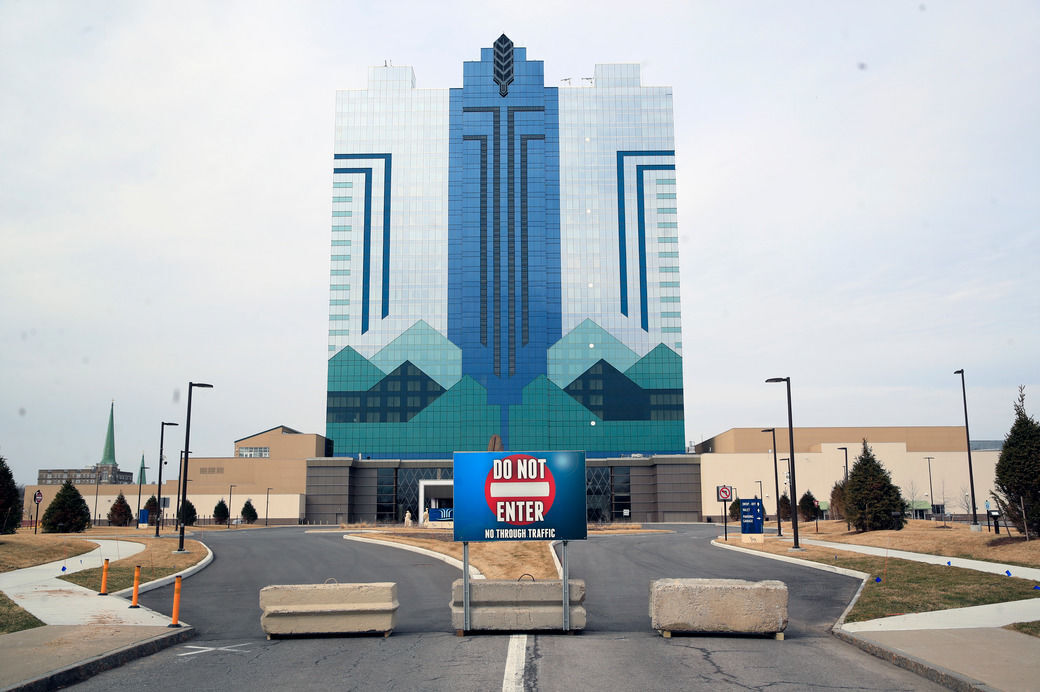
The Seneca Nation of Indians should pay a lower share of its slot machine revenues to New York State in its next casino deal with Albany, the Nation's president said Wednesday.
The 2002 casino compact required the Senecas to pay 25% of their revenues from slots to the state, which in turn passed some of it along to the cities of Niagara Falls, Buffalo and Salamanca, all host communities for the Nation's casinos.
President Matthew Pagels said the 25% figure is now unrealistically high in view of the gambling competition the Senecas now face, most of which didn't exist 19 years ago.
"The gaming landscape has changed drastically here in Western New York," Pagels said. "I believe the Seneca Nation position is that 25% isn't a fair assessment anymore and that's why we're asking the state to submit to the Department of Interior."
People are also reading…
That was a reference to the Senecas' continued fight against rulings that the Nation owes the state $450 million under terms of the current casino compact.

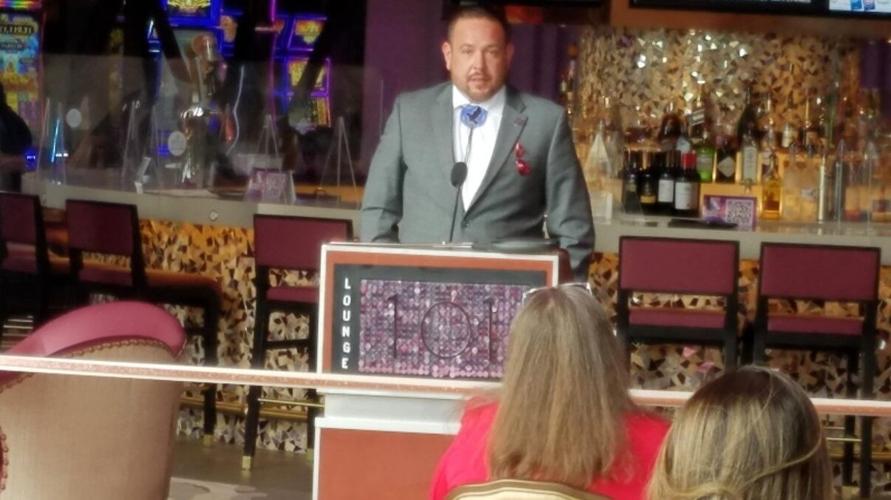
Seneca Nation of Indians President Matthew Pagels speaks in the Seneca Niagara Casino, May 5, 2021.
The 2002 deal authorized 14 years of slot machine revenue payments to Albany, and contained a renewal clause extending the deal for another seven years, until 2023.
The compact doesn't say that the Senecas needed to keep paying the 25% of slot machine revenues during the renewal period, so in 2017, the Senecas stopped paying.
The state challenged that, and the dispute went to an arbitration panel, which voted 2-1 in January 2019 that the Senecas still should be paying, a tab that was estimated at $450 million.
The Senecas challenged that in federal court, but lost. The Nation then turned to Interior Secretary Deb Haaland, who has the power under federal law to review all tribal-state agreements.

The state budget proposed by Gov. Andrew M. Cuomo counts on receiving $450 million in casino payments that the Seneca Nation Indians has refused to pay, even after losing its case in binding arbitration.
On March 21, the Senecas sent Haaland a letter asking for a review of the post-2017 payments.
The Interior Department's April 15 reply said the secretary in 2002, Gayle Norton, never analyzed post-2017 payments, because there weren't supposed to be any. Thus, the arbitration ruling could be illegal because it amended the compact in a way that could undermine Haaland's legal authority, but more analysis was needed, the reply said.
After reading that, the Nation's attorneys filed a motion in federal court to delay having to pay the $450 million for 45 days while the sides asked Haaland for a definite answer on the payment's legality.
But on April 22, the state refused to participate in that process, and the Nation asked the federal court to cancel its previous rulings upholding the $450 million bill.
During a news conference Wednesday, Pagels came close to saying that the Nation owes the state money and the only question was how much.
"The Nation just wants to make sure that what we are mandated to pay is fair and justifiable," Pagels said.
After a reporter asked if he was admitting the Nation owes the state money, Pagels replied, "Do I believe the Nation owes the state money? I believe the arbitration decision was made and to follow federal law, it has to be decided what that law would be, if it is any."
He said a ruling from Haaland might "help us in negotiations for a new compact."

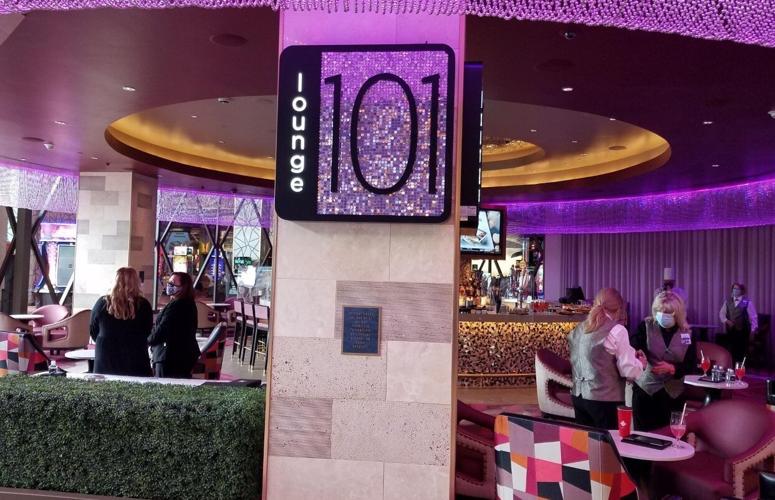
The ribbon was cut on Lounge 101 in the Seneca Niagara Hotel and Casino on May 5, 2021.
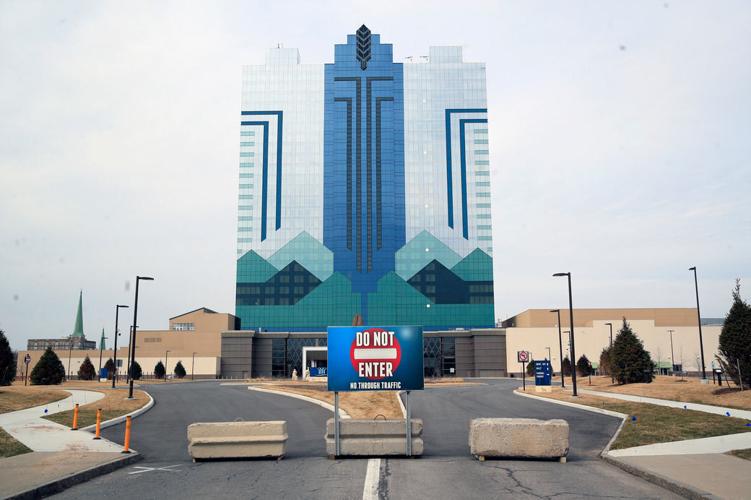
Pagels held his news conference after cutting the ribbon on Lounge 101, a new bar at the Niagara Falls casino that takes its name from the 101-vote margin by which the casino compact was approved in a 2002 Seneca referendum.
When it first opened, the casino had a bar called Club 101 in the middle of the gaming floor, but it was removed in a later renovation.