

Hydrangeas are prized for their beautiful flowers. To make sure you get those blooms, it's critical that you know when to prune them — but that depends on the type of hydrangea you're growing.
Don't let pruning scare you off these stunning plants. The most important thing is to select your plants carefully, using reliable, local plant nurseries. The staff will know your area, be able to recommend the best variety for your landscape and give you the pruning information. Keep the plant tag to remember which hydrangea you bought.
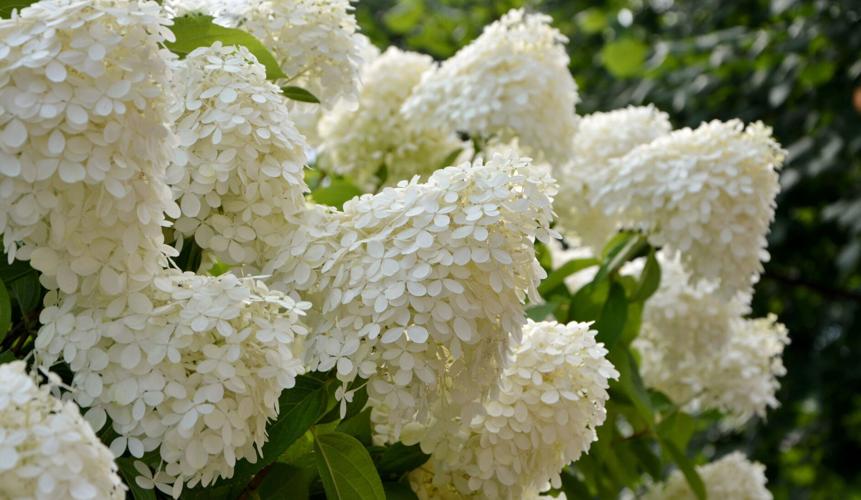
Hydrangea paniculata (Woody Hydrangea)
These are large shrubs or tree forms. They are normally white, with cone-shaped flowers, that blush pink to salmon as nights turn cooler in the fall. This variety blooms on new wood (the current season's growth) and should be pruned back in late winter or early spring. You can cut them back to the ground or, if you want taller plants, cut them back to one to three feet.
People are also reading…
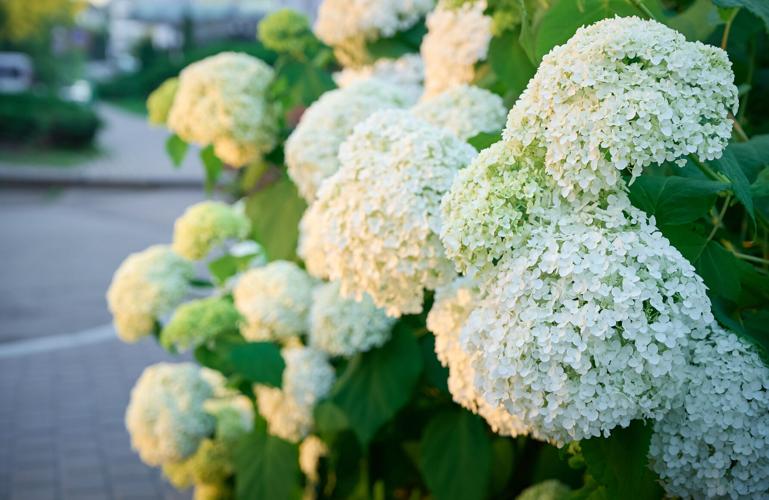
Hydrangea arborescens (Smooth Hydrangea)
This cold-hardy, large hydrangea has white or pink snowball-shaped flowers. These varieties will bloom even after severe winters or severe pruning. It blooms on new wood, prunes in late winter or early spring. Cutting the stems back one to two feet in the spring also will result in a fuller, stronger plant that is less likely to flop under the weight of the flowers.
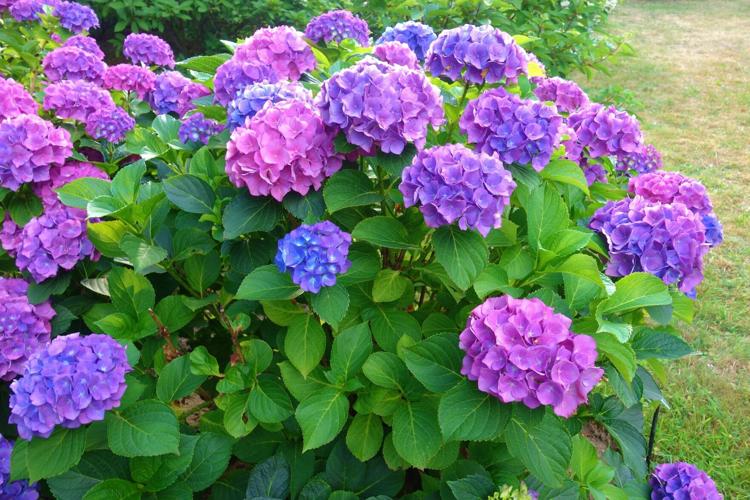
Hydrangea macrophylla (Mophead Hydrangea)
This is the type that causes the most pruning headaches; many have blue flowers, but some are pink or purple. This plant requires little more than a trimming and only immediately after flowering. If you miss your opportunity to prune, you need to wait until the following season, or you risk cutting off all the flowers.
For a fact sheet on pruning hydrangeas, visit the University of Minnesota extension website.


