

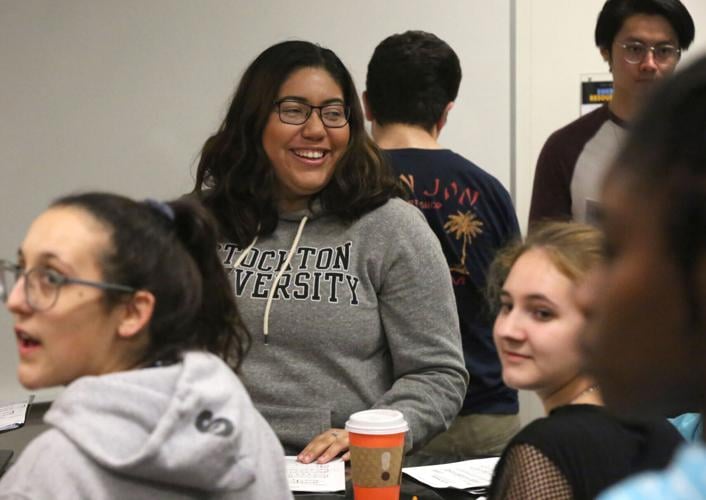
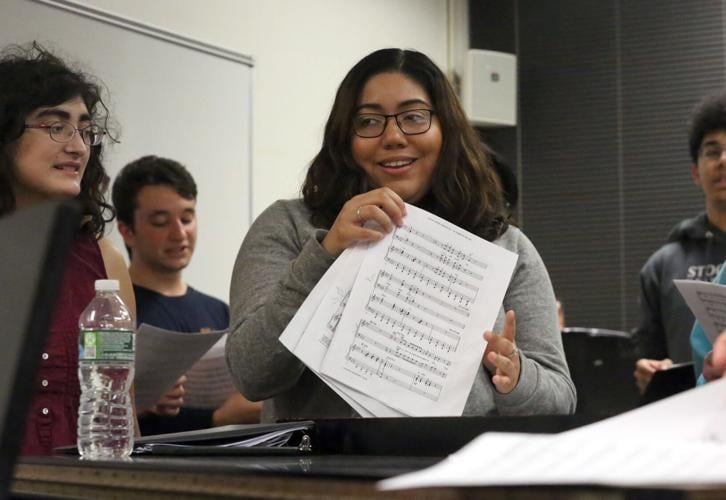
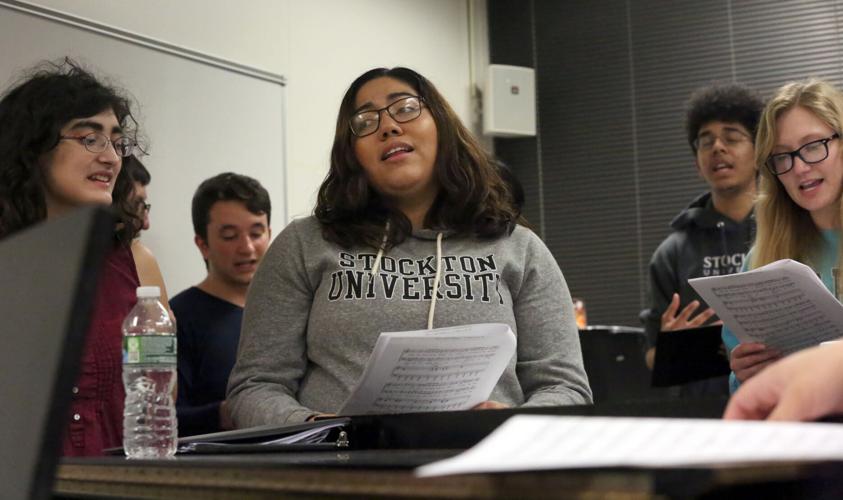
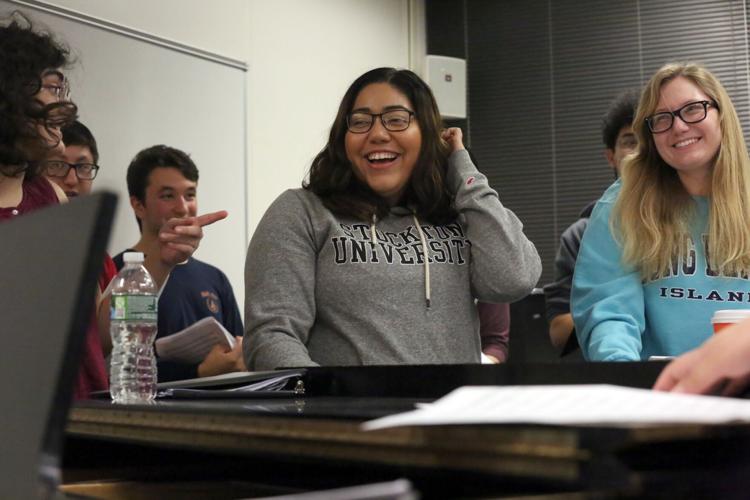

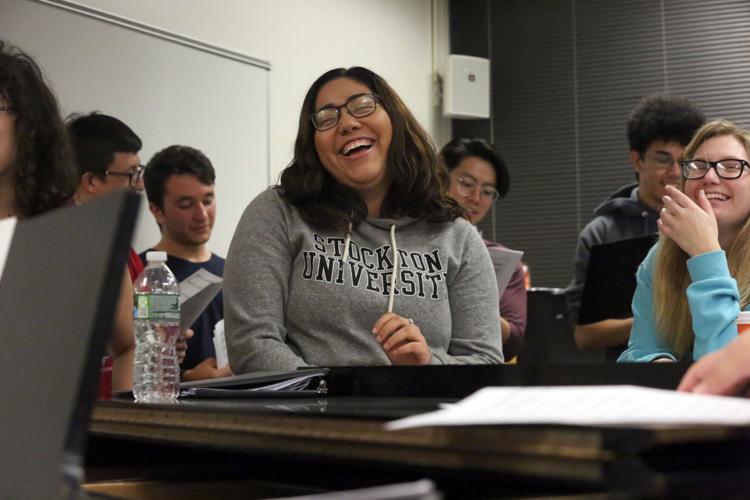
GALLOWAY TOWNSHIP — Last month, Ginelle Vargas moved into her dorm room at Stockton University.
There are many reasons Vargas’ journey to college was different from those of her peers, but the biggest obstacle for the 21-year-old freshman is that she has been in the foster care system.
By making it to college, Vargas has defied the odds.
“For kids that have been in the foster care system and age out, there’s all sorts of problems,” said Rich Nichols, executive director of the nonprofit United Advocacy Group in Bridgeton. “Only 3% of foster youth graduate college. Fifty percent will end up incarcerated or homeless in the first three years.”
As a young child taken from her home in Puerto Rico, thrust into a foreign culture and an abusive home life, Sarai Rivera-Huertas found solace in the classroom with a teacher who made a profound impact on her.
Last month, a federal analysis compiled by researchers from the National Center for Health Statistics and the Department of Health and Human Services’ Children’s Bureau found about 25% of men and 21% of women who had been in foster care did not have a high school or GED diploma, more than double the figure for other adults.
People are also reading…
Vargas’ journey spotlights the struggles facing young people who age out of foster care and would like to go to college. These young people generally have no income or family support system. Vargas has been lucky to have a few people who are helping her make a new life.
“I’m like her Stockton mom,” said Stockton Assistant Director of Admissions Jessica Grullon.
Each time she was booked into the Cumberland County jail, Leanne Taylor was strip searched and issued two orange, ill-fitting jumpsuits, a hand towel, blanket and sheet, and a pair of flip-flops.
Grullon has become not only a mentor but also a friend to Vargas as she makes the transition to college life while simultaneously dealing with the post-traumatic stress of being a victim of neglect and abuse by her father for years.
Vargas’ father, Miguel, was found guilty in September of three counts of endangering the welfare of a child and one count of obstructing the administration of the law. The jury was unable to reach a consensus on a sexual assault charge, and it was dismissed.
At the same time, Vargas was offered a chance to meet with Grullon at Stockton to pursue a degree in criminal justice.
“I’ve always been into the criminal side of things for obvious reasons, but when the opportunity came up, it was like I could actually make this a reality,” she said.

GALLOWAY TOWNSHIP — For someone experiencing a mental health disorder, it is more than just a “bad day,” said licensed clinical social worker Cathleen Morris.
With her hair neatly pulled up in a bun on top of her head and hoops dangling from her ears, she was optimistic, yet timid, as she sat in the admissions office.
She held her hands together as she spoke, as if holding on to part of her story.
“The transition was very different. I had never lived on my own technically, but I had been on my own,” said Vargas, who grew up in a home in Atlantic City.
After her father’s arrest, Vargas was put into the foster care system and placed with a family in Gloucester County where she was able to finish high school while the case made its way through the court.
After high school, Vargas applied to multiple colleges and was accepted into a number of them, but at the time she didn’t feel like she could go.
Wayne A. Ernst, 68, of Bridgeton, a master baker whose Century Bakery was famous for its German pastries and old-world customer service, died Jan. 12 of cardiac arrest at his home.
In 2018, Vargas moved back to Atlantic County to spend time with her brother and sister and “try and catch up,” she said.
At the same time, she was in a transitional living program where she received funds from the state to care for herself, but she never received proper paperwork for housing from her case worker.
Vargas was scrambling to figure things out — like where to live — and it became overwhelming.
“I was one of the cases who slipped through the cracks,” she said.
Vargas was attending the Harris School of Business when she checked herself into Jefferson Hospital with suicidal thoughts. When she was released, she “couch-surfed” with friends and others until she started at Stockton.
ATLANTIC CITY — Even before being sworn in as the city's 41st mayor last fall, Marty Small Sr. had a vision for his hometown, and for himself.
Now, she has a place to call her own, but she is still struggling with the abuse she lived through.
“I still can’t stand the sound of a man breathing,” Vargas said. “People’s voices or the way they word things sometimes. Arguing or cursing, those are also triggers of mine.”
Sometimes walking around campus and realizing she is no longer trapped triggers her PTSD.
“That’s something I was never allowed to do,” Vargas said. “Even though it’s four years out of that situation, you still have this thing like, ‘Oh I’ve got to trail someone around,’ so it’s something I’m trying to work on.”
Nichols said that in addition to the sometimes traumatic situations foster children come from, there are many reasons it’s difficult for teens and young adults in foster care to make it to college.
“The obvious reason is just instability,” Nichols said. “A lot of their own parents or foster parents have not attended college. There’s not a good precedent, there’s not a model to follow. It’s not an expectation.”
Several area groups are working to change those statistics. Nichols’ United Advocacy Group works with Court Appointed Special Advocates, as well as the First Star Academy, which gives high school students in foster care support and an early college experience.
He said these young adults often have a survivalist mentality because things have not been easy for them.
“They’re not sure about what the future is going to look like,” Nichols said. “You’re living for today, not thinking about the long-term.”
Nadia Mozaffar, staff attorney for the Juvenile Law Center in Philadelphia, said that even once a former foster child enters college, there are still the challenges of making it through to completion.
“The hardships don’t end when a young person enters college,” she said.
Studies show only 3% to 11% of teens in foster care attain a bachelor’s degree, Mozaffar said, which is less than half the rate of their peers. But it’s not for a lack of wanting, she added, as nearly 20% say they would like to go to college.
Lack of finances and permanent housing, lack of parental support systems or guidance on the college and financial aid application process, and sometimes a lack of emotional support are all barriers to completion, she said.
The Juvenile Law Center is another organization working to support foster youth. The center helps advance state policies like providing financial assistance for young people in foster care, which New Jersey does, and promotes discussion of post-secondary education with case workers, as well as housing opportunities.
“While college may not be the right opportunity for everyone, every young person should have the opportunity to decide if college is right for them and not be barred by the circumstances that are outside their control,” Mozaffar said.
Now that she is settled, Vargas is thinking about the future.
She is interested in victimology and helping victims, as well as becoming a police officer.
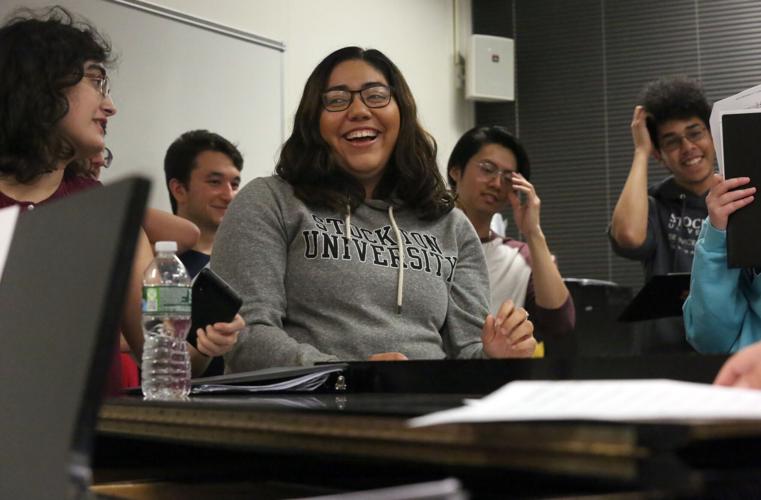
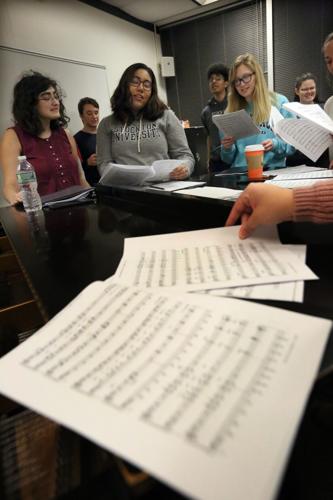
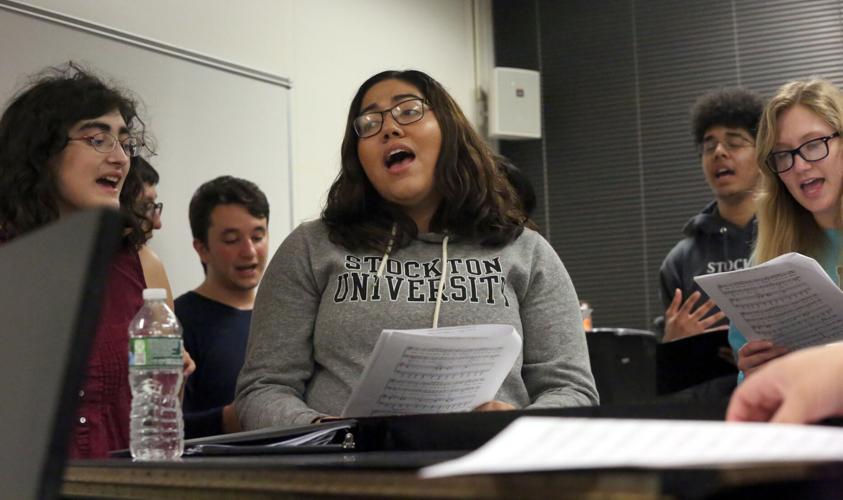
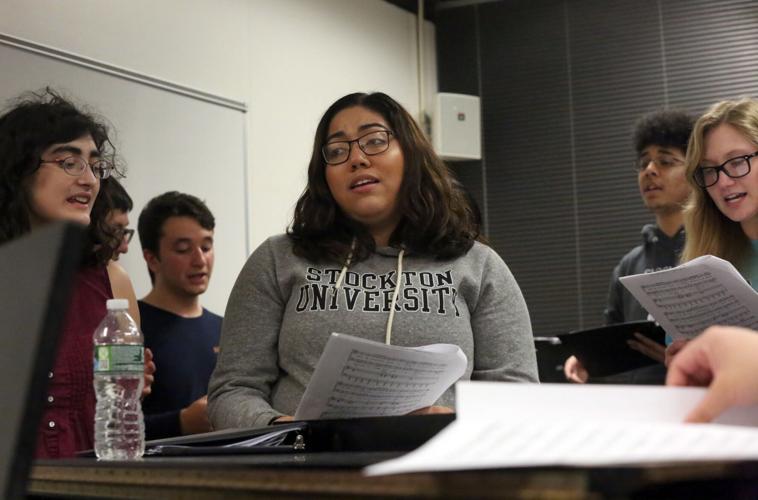
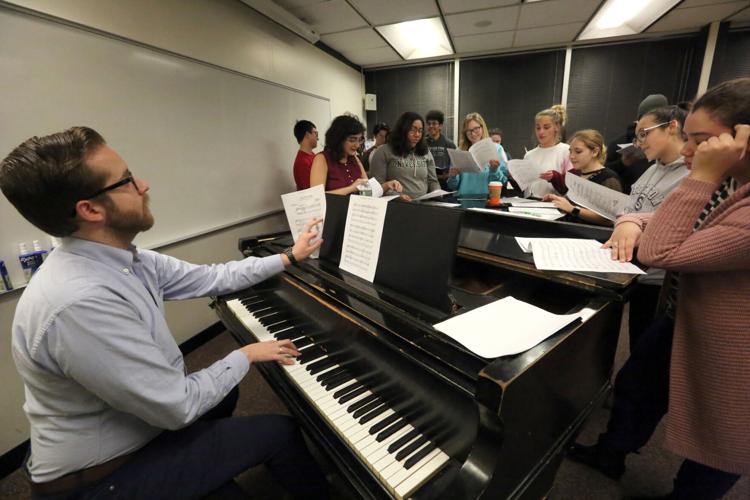
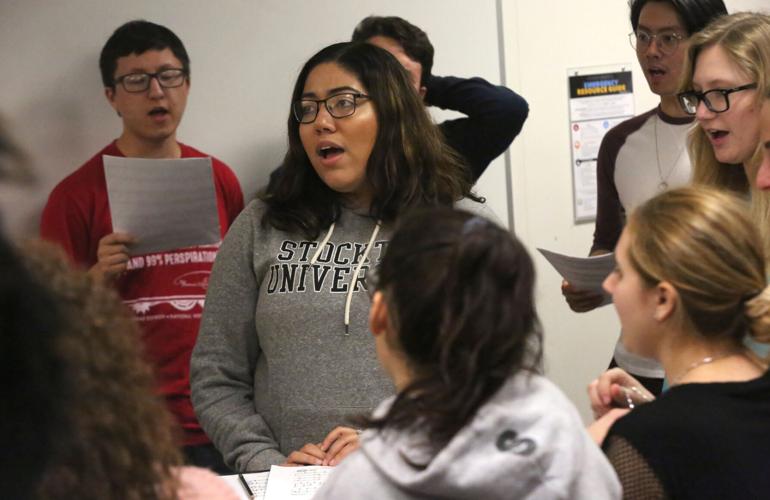
Since coming to campus, Vargas has joined the choir, which she said has been therapeutic for her, as well as other clubs like Los Latinos Unidos. She has also started attending a support group at the college.
“I plan on using my story in a positive way,” she said. “My story is always going to be what makes me who I am.”


