


WASHINGTON • U.S. Rep. Ann Wagner stuck around Washington on Friday just in case a deal miraculously emerged to stop the indiscriminate budget cuts that landed Friday with the long-dreaded sequester. No deal emerged.
Wagner, R-Ballwin, already was getting calls from people who are frightened about what is in store.
“I’m saddened for the St. Louis region,” she said. “At the end of the day, hard-working middle-class families could be impacted by this, and probably will be in some way.”
Rep. Bill Enyart, D-Belleville, is girding for mass furloughs at Scott Air Force Base, Illinois’ biggest employer in Southern Illinois.
While military personnel are exempted, some 4,500 civilian defense workers face furloughs equivalent to a 20 percent pay cut until the end of the fiscal year, Sept. 30. Defense contractors across the region are vulnerable.
People are also reading…
Already, the Air National Guard Refueling Wing at Scott has reduced flying hours. On Friday, worried emails popped up on Enyart’s phone from others in his district hearing about the $85 billion in across-the-board cuts.
One of the messages came from a Southern Illinois airport manager who could see his control tower close and another from a federal prison guard unsure of what lay ahead.
“They are gambling with the lives and safety of people. This is not just another Washington hip-fake,” Enyart said.
Enyart and Wagner come from different political parties but they have something in common: Both arrived as first-term House members in January intent on getting something done. They’ve been trading cellphone calls and working together on issues affecting Scott.
Instead, what they’ve encountered is what Wagner describes as “inertia that is unbelievable” — another round of Washington dysfunction that has yet to play out.
But unlike other recent episodes of brinkmanship, the way out of the sequester is difficult to predict.
Most members of Congress were gone from Washington when the furlough hit — except four congressional leaders who met fruitlessly with the president at the White House.
Even with the sequester unsolved, the White House and Congress are speeding toward yet another moment of truth closer to a cliff than the sequester slide.
To keep the government open beyond March 27, the two branches of government must reach agreement in coming weeks on an entirely different spending measure on which negotiations have yet to begin.
On top of furloughing federal employees once-a-week in the sequester, the next failure would close the doors where they work.
When Congress returns next week, efforts will be made to give the White House flexibility to move money between accounts to limit some of the sequester impacts.
But it is unclear how far that authority might extend. House Republicans intend to schedule a vote on legislation that would fund the government at sequester levels but give only the Pentagon and the Veterans Affairs Department authority to minimize cuts.
With the cuts spread over seven months and falling so heavily on the military, it’s unknown whether Americans will be roused to complain loudly enough to effect Washington’s rigid split.
That is what the administration of President Barack Obama and many Democrats are banking on.
“After folks get a couple of short paychecks and after people see air traffic control and towers being shut down and no meat inspectors on the job, I think the message from the public will penetrate,” Enyart said.
Wagner says she worries about constituents but believes that the White House is frightening people unduly.
“I’ve watched the president’s 6,000-mile road show for the last week and a half scaring the American people, telling them everything from how meat is going to be tainted to homes burning to children not getting a hot lunch,” she said.
The stakes grow higher at month’s end and in early April, with the potential government shutdown and furloughs starting. Until then, Americans wondering how they will feel the sequester will be subjected to blame-game politics that have become the norm.
The present string of failures began in the summer of 2011, when Obama and Republicans in Congress nearly pulled off — but failed to reach — a “grand bargain” to stabilize the nation’s finances with a mix of tax increases and cuts to revered health and retirement programs.
Since then, the White House and Congress have not come close to far-reaching fixes to curb debt, instead stumbling from crisis to crisis until simply throwing up their hands this week and allowing the sequester cuts to proceed.
In a book he co-authored last year titled “Even Worse Than It Looks,” analyst Norm Ornstein laid much of the blame to Washington’s recent failures on extremist Republicans “scornful of compromise.”
In an interview, he argued that the same dynamic remains in place with House Republicans bent on blocking most everything while waiting for the next election, or perhaps the one after that.
But Ornstein also believes the White House miscalculated in thinking Republicans would not sit by and let the sequester take hold because of defense cuts and threats to military readiness.
“I think the president thought, ‘I really do have the leverage,’” he said.
Of the state of governing in general, he added: “It’s getting worse, not better.”
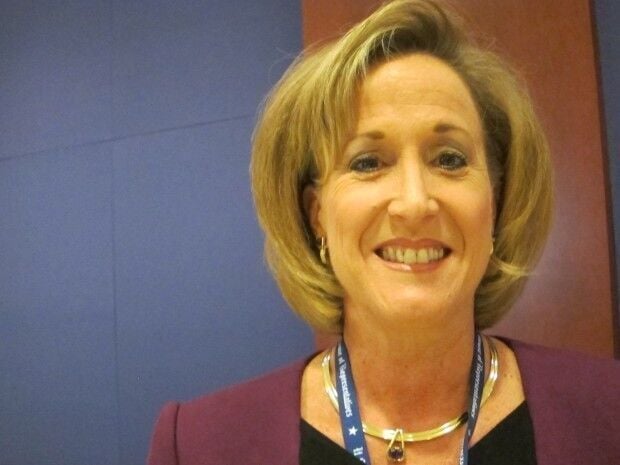
Ann Wagner
Bill Lambrecht is Washington bureau chief for the Post-Dispatch and STLtoday.com. He covers politics, Congress and Missourians and Illinoisans in Washington.


