

Commonly seized exotic wildlife
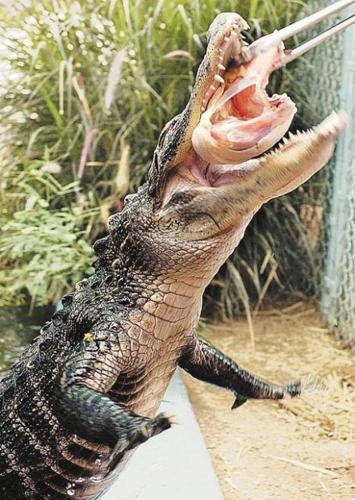
● Alligators, from the Southeast
● Caimans, from South America
● Crocodiles, from Africa and Australia
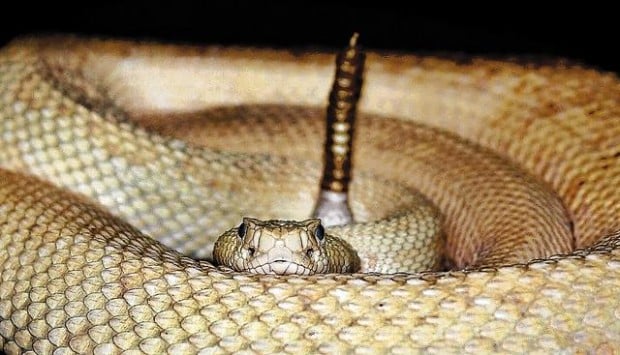
● Cobras, from Africa
● Gaboon vipers, from Africa
● Out-of-state rattlesnakes, copperheads, water moccasins and other New World vipers
● Serval cats, often confused with cheetahs, from Africa
Source: Arizona Game and Fish Department
The reptile wrangler
SCOTTSDALE - Russ Johnson caught his first snake at age 4 and never stopped. Today, he has learned enough to know when to take on exotic animals and when to hold back.
People are also reading…
At 53, Johnson, a retired truck driver and truck company owner, looks like a professional wrestler, with a bald head and a hefty build.
But he grapples with 100 pythons, rattlers and copperheads in his garage in the McDowell Mountain foothills and more than 250 gators, tortoises and Gila monsters kept at a Scottsdale sanctuary.
The sanctuary is run by the Phoenix Herpetological Society, which stores wildlife after state and federal officials seize it from those keeping it illegally, until permanent homes - usually zoos, museums or universities - can be found.
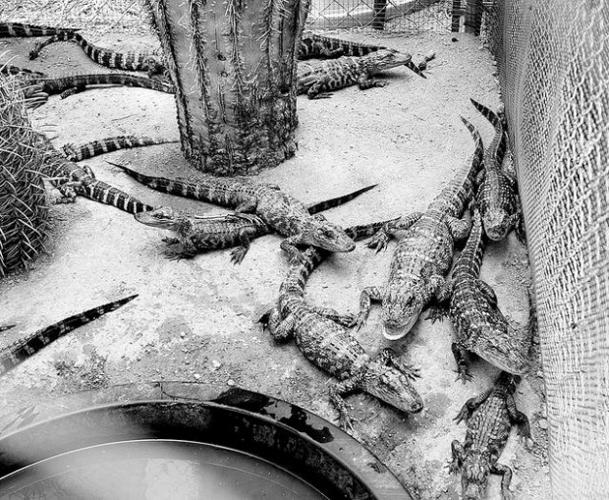
The 32 gators taken in April from a passing motorist in Casa Grande are there. So are three caimans taken from Tucsonan Allen Willingham. The cost to keep them in roosters isn't chicken feed - $400 a week.
Pointing to a 6-foot-long albino rattler in his garage, nicknamed Lucifer, Johnson said, "I only open that cage when I have to. He's the only snake that makes me sweat. He's fast and loose. He's a monster."
With cobras and gaboon vipers, more venomous than rattlers, he's freer, pulling them from cages and lifting them with a stick.
Johnson professes to love gators: "They're prehistoric. They haven't changed in 125 million years."
The Internet connection
The demand for exotics is often satisfied on Web sites offering alligators, pit vipers, cobras and other reptiles for $100 to $1,500 and up, plus shipping.
An ad on Kingsnake.com for Liam's Herps promises a "gorgeous" pair of monocled cobras for $350.
On Agriseek.com, a "Mr. Larry Gator" of Gary, Ind., wants $100 for a baby alligator, 8 to 12 inches long, that he promises will be "very mild" but will get big because it's "eating good."
The threat to natives
Alligators are among the hardiest of beasts, living up to 100 years and growing up to 19 feet long. In their native southeastern United States, they live at the top of the food chain, and have no predators.
That's one of many reasons Arizona Game and Fish officers want to keep exotic gators, snakes and other imported wildlife out of the state - to protect the state's native wildlife from non-native competition.
That's also why the U.S. Bureau of Land Management will pay a Phoenix reptile specialist $6,500 to drive eight hours and 500 miles to a national monument near the Nevada border later this month: to capture and haul off an alligator that's lived in ponds there for 19 years.
"Any non-native species introduced into Arizona's ecosystem can potentially throw things out of whack," said Russ Johnson, president of the Phoenix Herpetological Society.
"Any crocodilian would have an immediate impact. Due to the nature of our climate, it would have an abundant source of food and would experience dynamic physical growth."
The count
● Since 2000, Arizona has received 258 complaints of reptile-related law violations. Its patrol officers have found another 76 apparent violations. Of those, 112 resulted in citations. About 30 to 35 percent of all complaints and citations involved snakes, alligators and other non-native pets and other reptiles.
Source: Arizona Game and Fish Department
More than 30 alligators were discovered by a Department of Public Safety officer during a routine traffic stop near Casa Grande on April 18, 2005. See the reptiles, including one impressively large specimen, in these two video segments from StarNet news partner azfamily.com
in Phoenix: Gator roundup
Gators being held in temporary sanctuary
 Japanese company invests in mine near Mount Lemmon


