

See how the U.S. election night unfolded, from the first states that declared their votes to Donald Trump's speech.
The fate of the United States presidency hangs in the balance as President Donald Trump and Democratic challenger Joe Biden battle for remaining battleground states that could prove crucial in determining who wins the White House.
After being projected to lose in Wisconsin and Michigan, the Donald Trump campaign said Wednesday that it is suing to stop the vote counts in Pennsylvania, Georgia and Michigan, and is seeking to intervene in a Supreme Court case.
The Trump campaign also demands better access for campaign observers to locations where ballots are being processed and counted.
STILL IN PLAY: Races in Pennsylvania, Georgia, Nevada and North Carolina are still too early to call. Trump’s campaign has requested a recount in Wisconsin.
Michigan and Wisconsin went to Biden earlier today. The states are part of the traditional Democratic “blue wall” that President Trump flipped in 2016.
People are also reading…
HOW PEOPLE VOTED: AP VoteCast, an expansive survey of voters nationwide, found that 76% of U.S. voters said they knew all along which candidate they would support.
ELECTION IN DEPTH
President Donald Trump surprised pollsters, Democrats and even many in his own party by largely succeeding in what he set out to do: Find and mobilize thousands more Trump voters in the places where he dominated four years ago.
Meanwhile, Democrats went into Election Day hoping to seize the White House and majorities in both chambers of Congress in a sweeping victory that would demonstrate an unmistakable repudiation of President Donald Trump and a Republican Party remade in his image. It didn’t work out that way.
JITTERY PUBLIC: With a bitterly divided America failing to deliver a decisive result for either party, a jittery public is awaiting clarity over the fate of a race that remained too early to call. Votes continued to be counted across the country and will be for days to come as both President Donald Trump and former Vice President Joe Biden remain short of the necessary 270 electoral votes to win.
CONGRESS: The election left the House and Senate not too different from where they began -- a deeply split Congress -- as voters resisted big changes despite the turmoil at the top of the ticket in the race for the White House. It’s an outcome that almost ensures partisan gridlock in the new year.
LEGISLATURES: After a costly and intense political battle for control of state capitols, the composition of state legislatures and governors’ offices will look a lot like it did before Tuesday’s election. Although control of a few legislature chambers remains to be determined by close races, it’s possible that the 2020 elections will produce the least amount of legislative change in more than 75 years.
MILESTONES: LGBT candidates enjoyed milestone election victories. Winners include the first transgender person elected to a state Senate, and the first gay Black man to win a seat in Congress.
LEGALIZATION: Marijuana legalization for medicinal or recreational use passed in a number of states. In a first in the nation, Oregon has rejected charging drug users with criminal offenses, with voters passing a ballot measure that decriminalizes possession of heroin, methamphetamine, LSD, oxycodone and other hard drugs.

MISINFORMATION AND MISCHIEF: President Trump’s supporters are pushing baseless allegations about legally cast absentee and mail-in votes that were counted Wednesday, wrongly suggesting the ballots mysteriously turned up only after the polls closed on Election Day. The false claims are flying as the U.S. turns its attention to the remaining battleground states.
Local officials struggled against misinformation, too. Arizona election officials are disputing posts online that say that if voters used Sharpies their votes would be invalidated. In fact, Maricopa County election officials said that voting centers used Sharpie so that the ink would not smudge when ballots were counted.
Election Day came and went without any overt signs of foreign interference, but that doesn’t mean the risk has faded. A prolonged vote-tallying period in swing states raises the prospect of multiple security concerns, including foreign or domestic disinformation campaigns that could sow doubt in the process as well as digital attacks aimed at election infrastructure itself.
Facebook, Twitter and YouTube were quickly put to the test early Wednesday morning after President Donald Trump told a crowd of cheering supporters at the White House that he would challenge the results of the presidential election. After weeks, or months, of planning, the social media platforms took different approaches to how to address Trump’s unsubstantiated claims of fraud.
Where things stand: President, House and Senate
As votes counted, world awaits
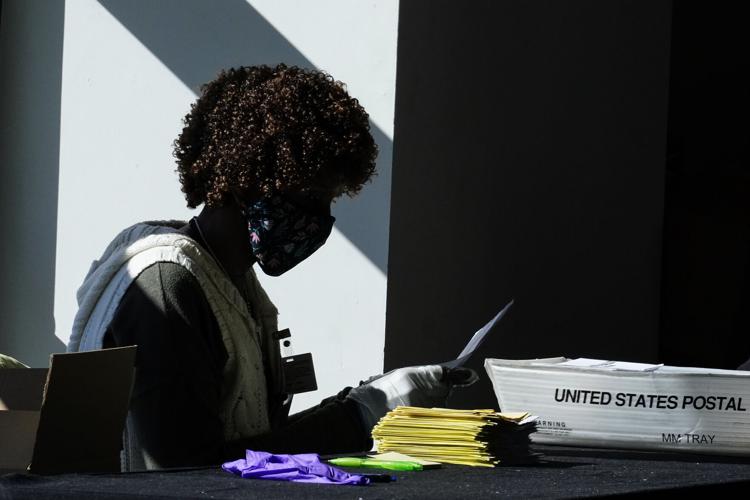
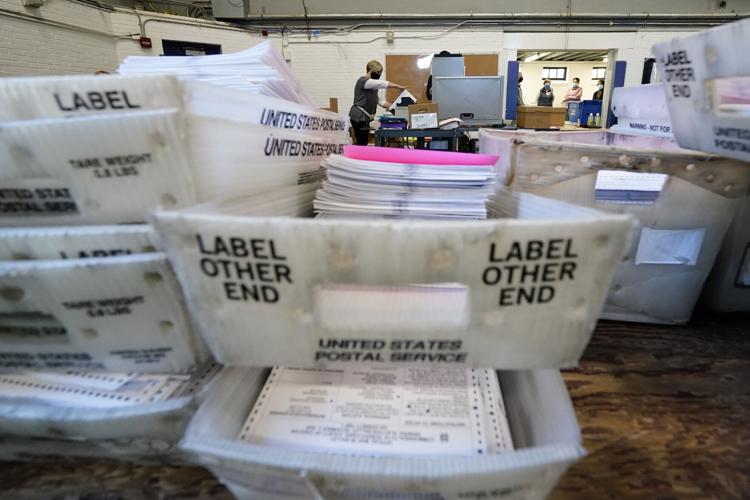
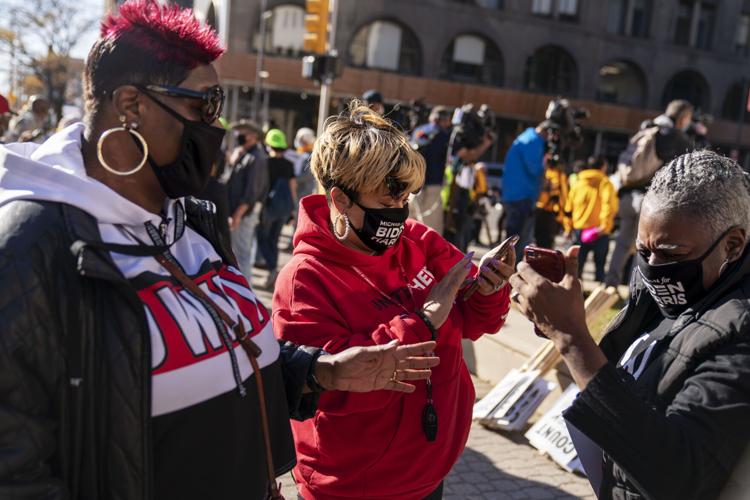
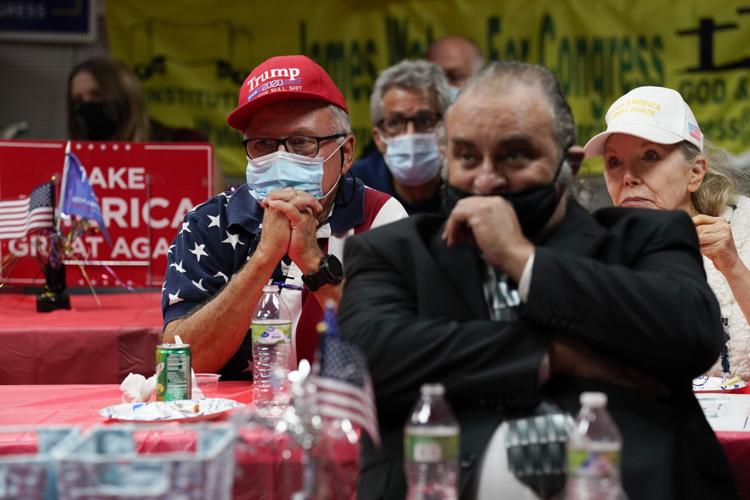
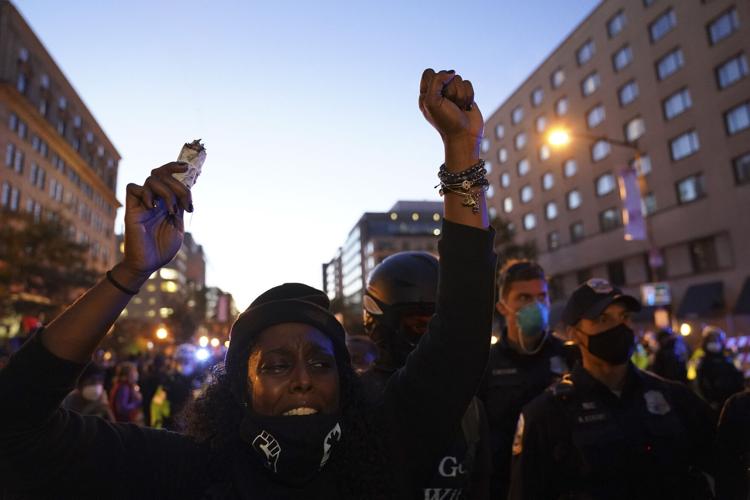
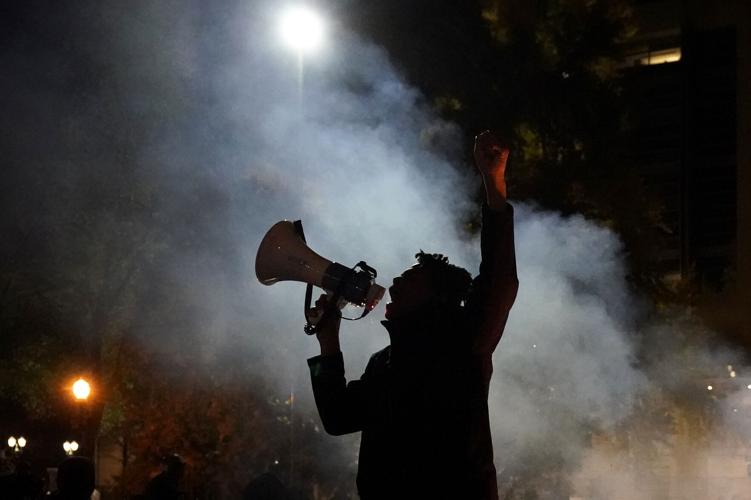
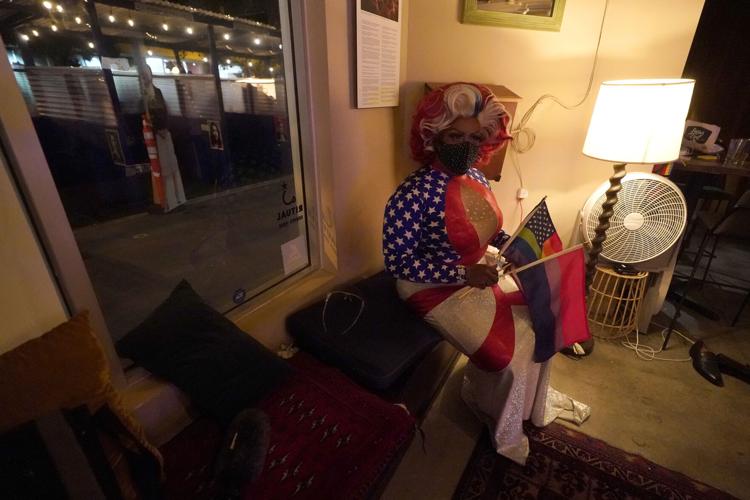
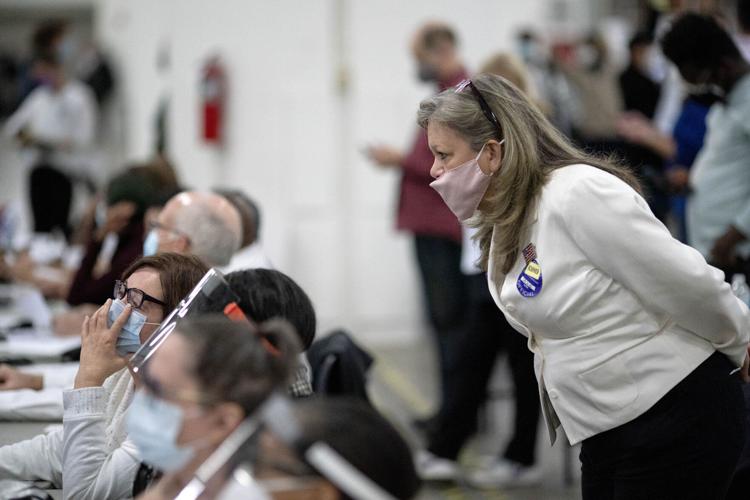
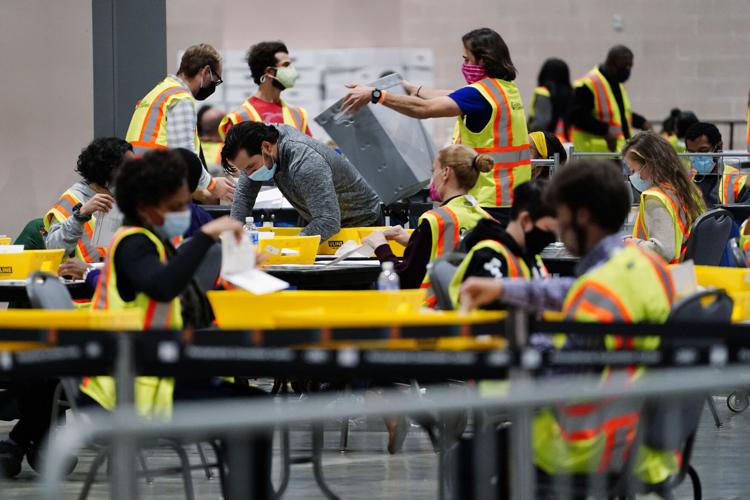
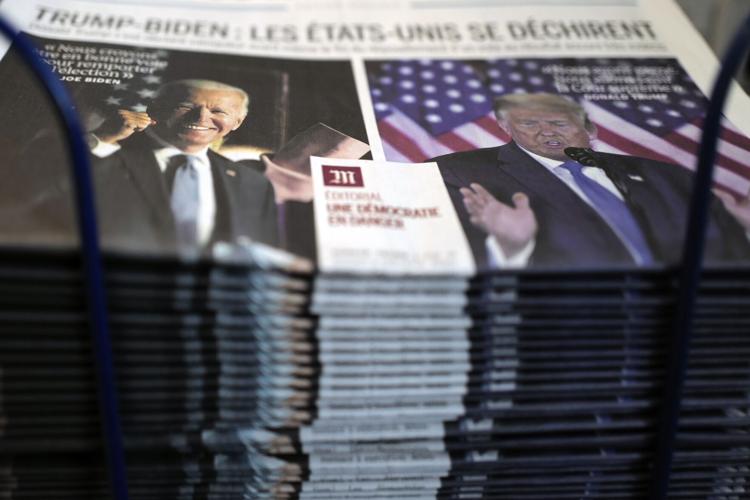
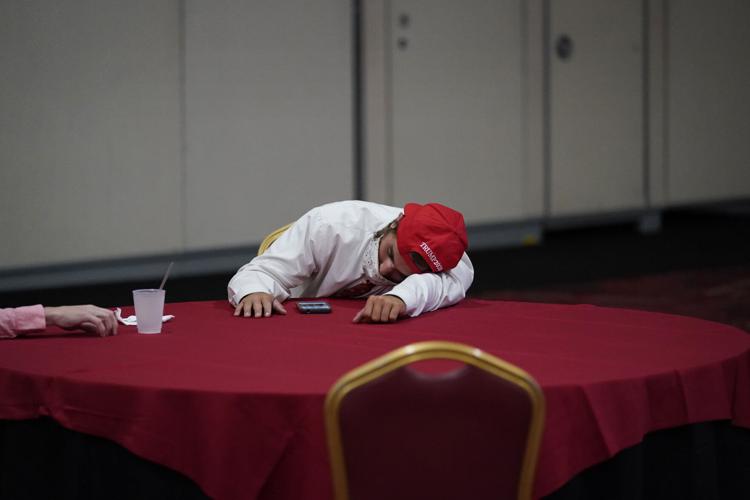
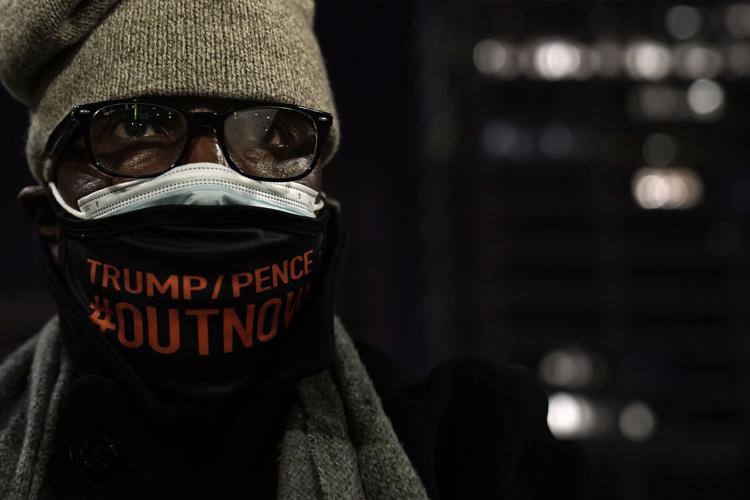
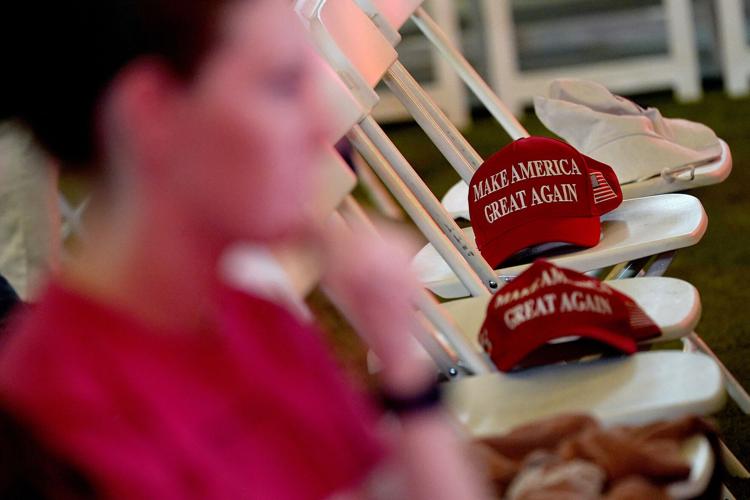
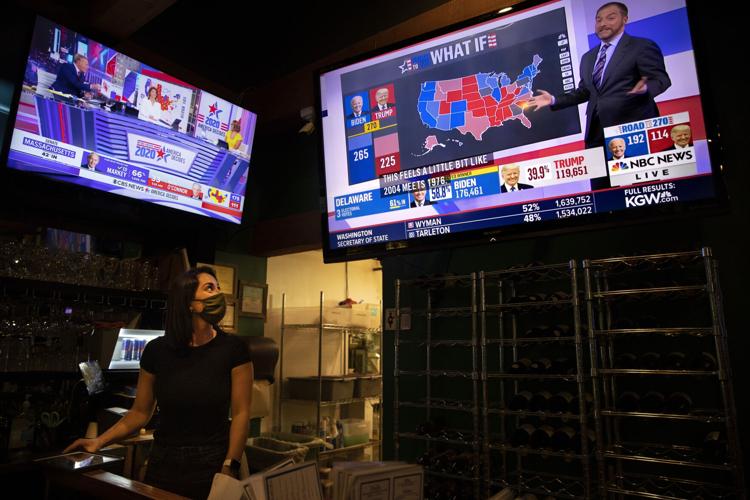
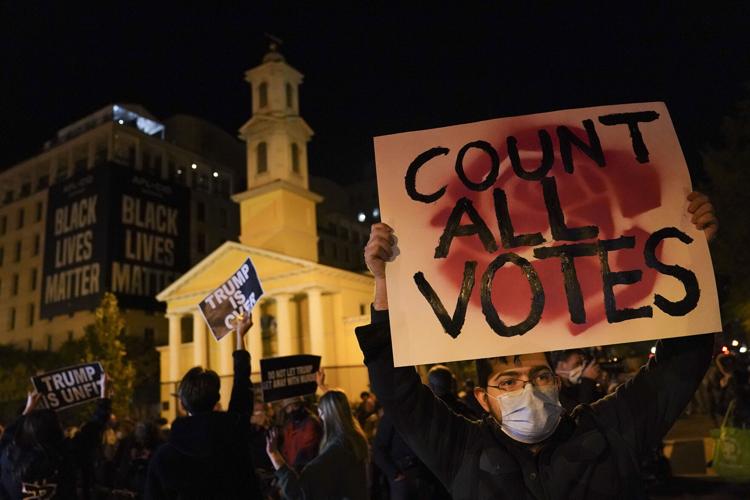
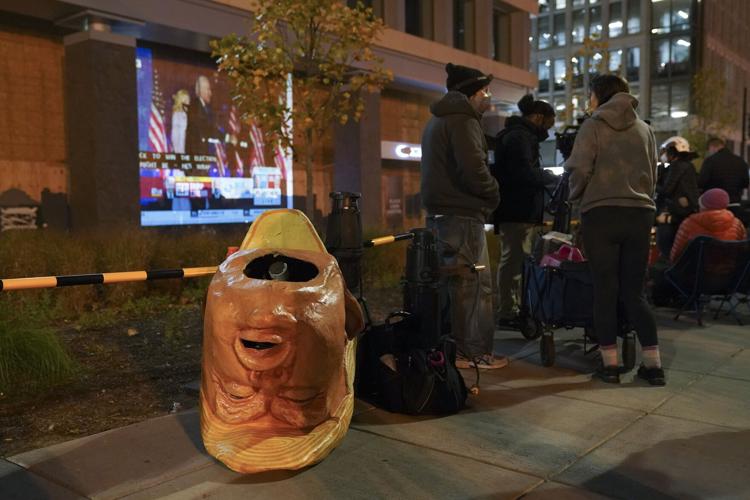

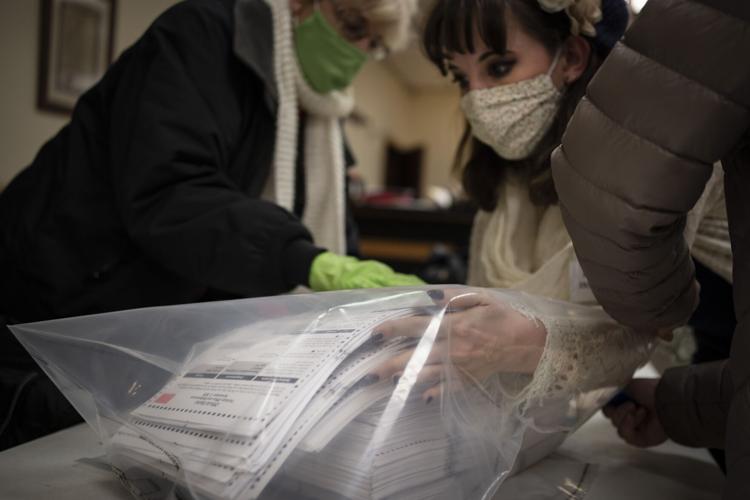
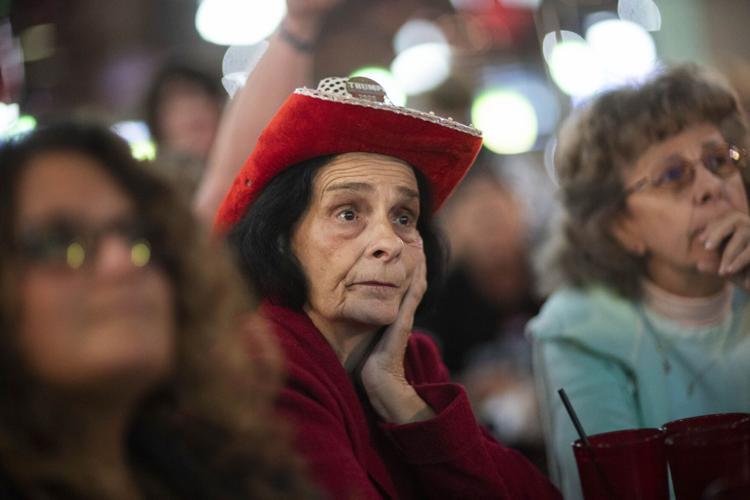
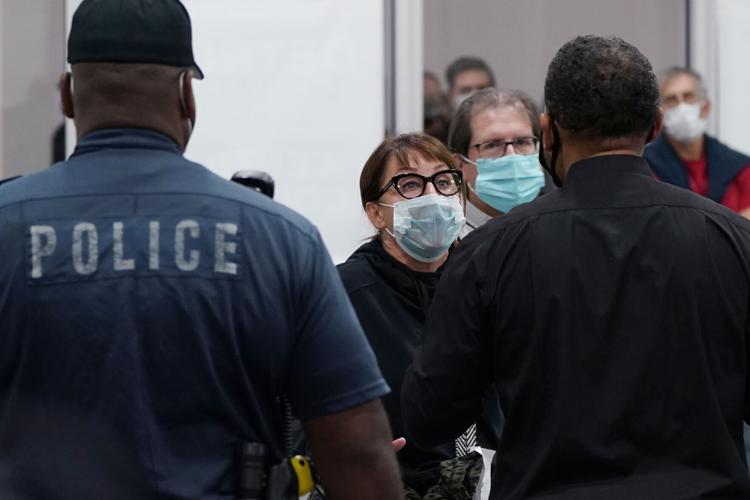
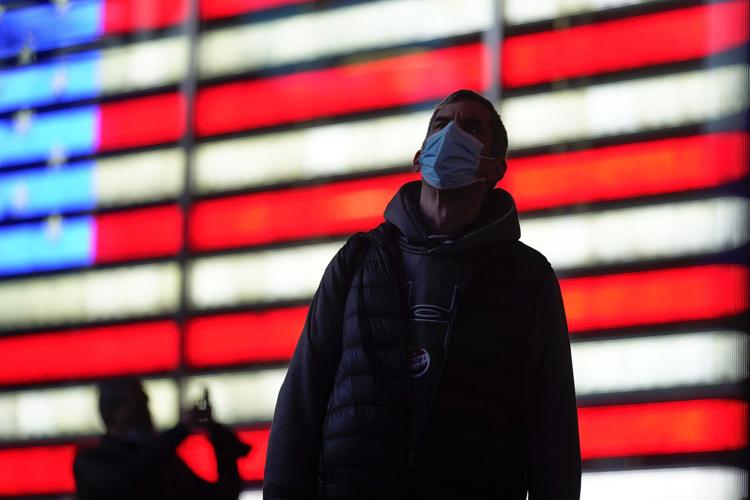
Photos: As votes are counted, America and the world wait
The day finally came and went, but the result hasn't yet. People in the United States and around the world are waiting anxiously — and sometimes in confusion — for a winner to be declared in the American presidential election.
In text message chains, Twitter feeds and coffee shop lines, everyone seemed to be gaming out the various possible paths to victory for President Donald Trump and his challenger Joe Biden.
The day after Election Day dawned, and it was still unclear when a winner might be determined. The margins were exceedingly tight, with the candidates trading wins in battleground states across the country.
It wasn't necessarily a surprise. Amid the coronavirus pandemic, many states made it easier to vote by mail, and millions chose to do. That meant a slowdown in compiling the results because votes received by mail often take longer to process than ballots cast at polling places.
But that didn't make the wait any easier.
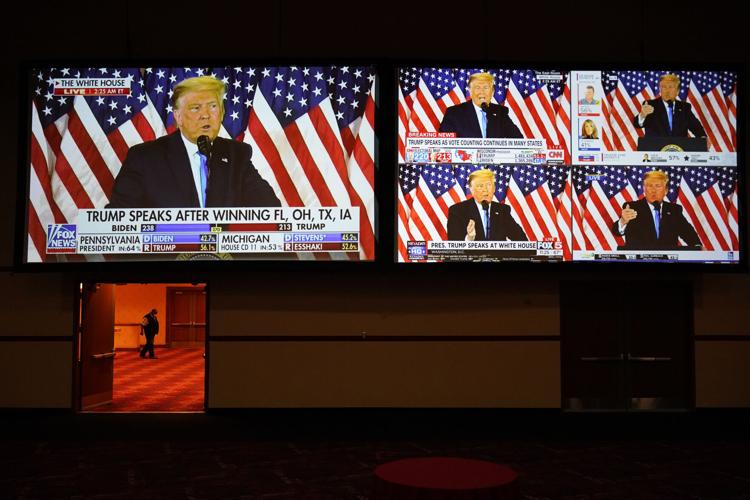
A live broadcast of President Donald Trump speaking from the White House is shown on screens at an election night party, Tuesday, Nov. 3, 2020, in Las Vegas. (AP Photo/John Locher)


