

The way it came on the scene, it could have been a rare perfume or a designer handbag, undaunted by the roiling economy.
The first rumors of it surfaced in December on a lifestyle magazine's blog. A few weeks later, it was spotted in the arms of runway model Hollis Wakeema in a Las Vegas hotel.
Then came its Web site: Black and white fashion photos fade in and out as cool piano notes drop and melt into a warm, smooth beat. Prepare to fall in love, the site reads. Now, go buy the laptop, it says.
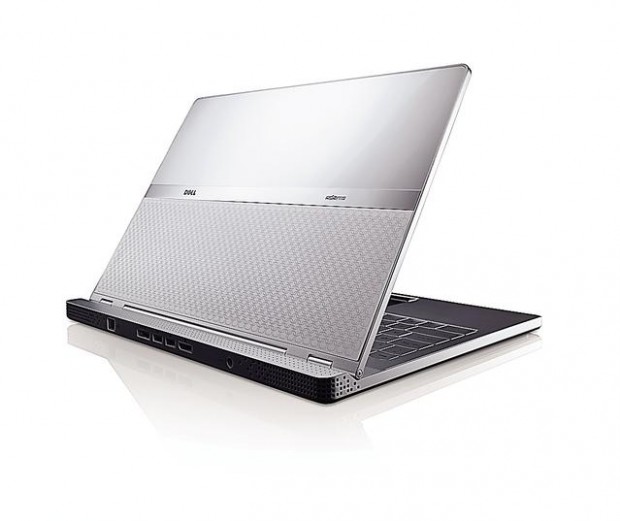
Specifically, Dell Inc.'s new $2,000-and-up laptop. The computer maker entered the ultra-thin notebook race Tuesday with the Adamo, from the Latin for "to fall in love with."
The aluminum-body laptop comes in two colors, "onyx" and "pearl." It boasts a 13-inch screen and, with a depth of less than two-thirds of an inch, is thinner than both Apple Inc.'s 0.76-inch MacBook Air ($1,800 and up) and Hewlett-Packard Co.'s 0.7-inch Voodoo Envy notebook (from $1,900).
People are also reading…
Even the customer support package goes upscale. Dell will guarantee the same team of service representatives for $99 for a year or $349 for three.
The company already is taking orders, with the laptop set to start shipping March 26.
Dell, known for affordable, no-frills computers, leaned away from consumer-electronics tropes and toward the seductive imagery of couture as it designed a marketing campaign to fit the Adamo.
The leap Dell is asking consumers to make from its core brand would be a risk in any economy, let alone the worst recession of the personal-computer age. PC sales are sliding and the lone bright spot in the market appears to be small, inexpensive "netbooks," Adamo's polar opposite.
Dell reworked its consumer PC lineup about two years ago, shortly after ceding market leadership to Hewlett-Packard. Dell had fallen a few steps behind partly because people started craving gadgets with flair. Meanwhile, Apple was nurturing consumers' love for their iPods and using that connection to sell them well-designed laptops, too.
Dell knew it needed to "bring more brand lust and more got-to-have kind of products into the mix," said Michael Tatelman, the company's vice president of global consumer sales and marketing.