

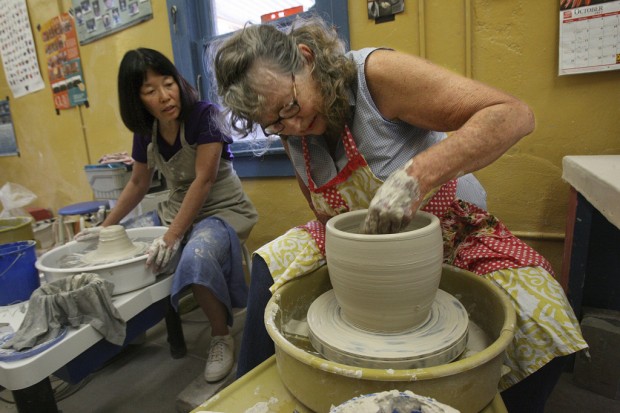
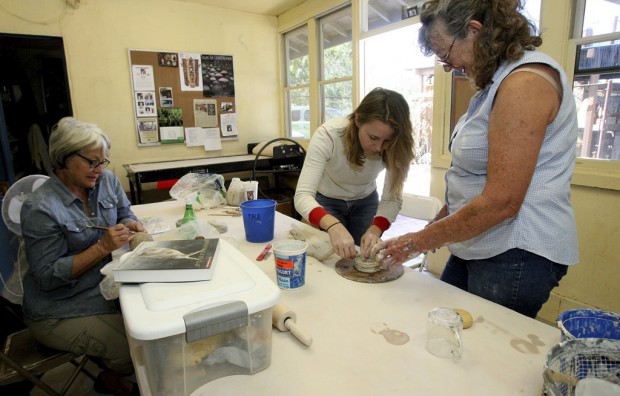
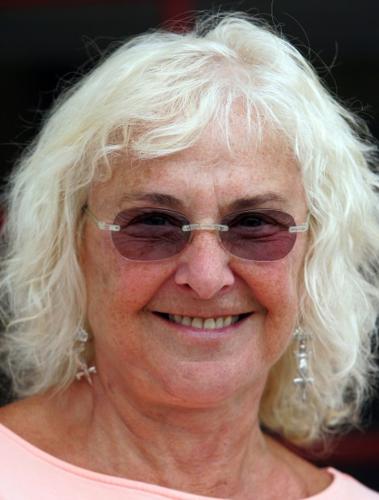
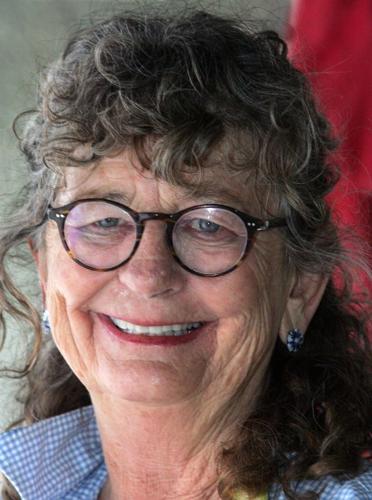
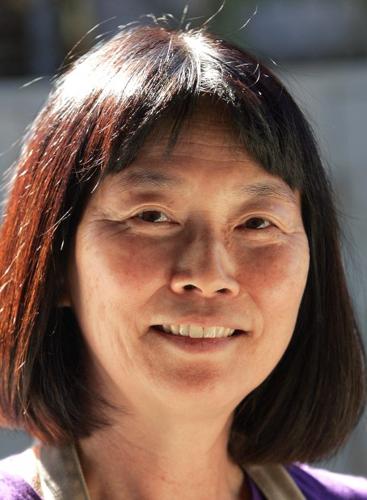
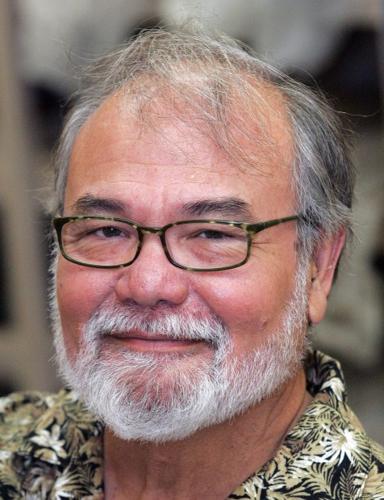
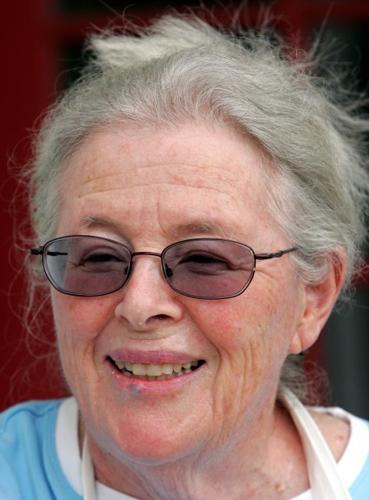
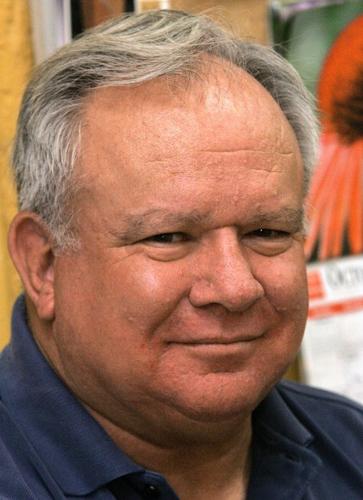
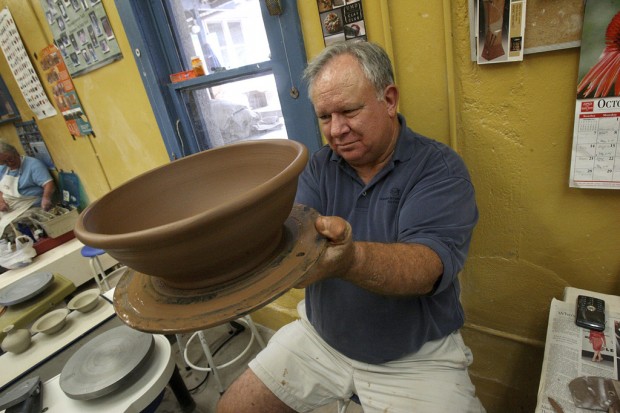
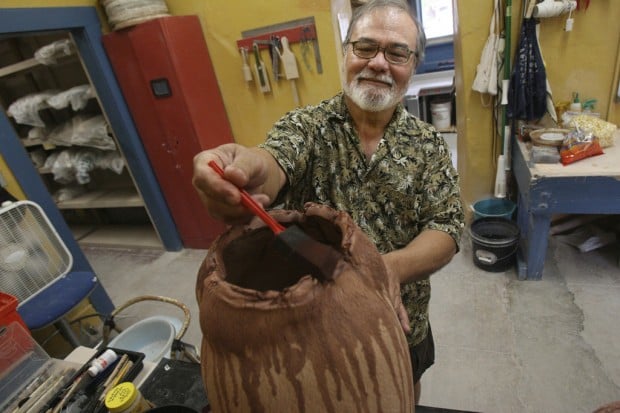
Mary Anne Lisney and Janet K. Burner are used to starting over.
The artists, after all, work with clay - cold, wet, and flexible. If they don't like the results, they begin again.
That's what they did with the Tucson Museum of Art's Romero House.
The TMA decided earlier this year that it could no longer financially support the 37-year-old ceramics school at Romero.
"It was a situation where we couldn't afford to continue to pay for the studio time and the workshops to the extent that we were doing," said TMA Executive Director Robert Knight.
The thought of losing such a community treasure spurred the two pottery teachers into action.
Burner considered Romero House Pottery her baby: She nurtured the school from the beginning, built the kilns with her own hands and was one of the original teachers.
People are also reading…
Lisney's passion for Romero began when she started to take classes there about seven years ago.
Both were overcome with a sense of responsibility to save Romero House Pottery and to continue the tradition of ceramics in Tucson, which began some 1,500 years ago when the Hohokam Indians fashioned pottery at the base of "A" Mountain.
The artists spoke to TMA early on and expressed an interest in renting the space and taking the school over as a separate, nonprofit entity.
"It made perfect sense from our perspective; we gave them the first opportunity to make that happen," says Knight.
With their passion and determination, and that nod from the museum, they convinced five others who share a love of pottery and value the mission of Romero House Pottery to join them in saving the school.
Lisney, 65, recalls the moment when they all got together, pooled savings accounts and credit cards and resolved to keep Romero open.
"When we sat around the table and looked at each other and saw the qualifications we had there at the table, it was astonishing," said Linsey.
The group had expertise in business, fundraising, nonprofits and education.
Which was important - in order to convince TMA that what they were proposing made sense, they had to build a tight business plan and show the museum executives and board they were able to keep the doors of the school open.
They raised the $18,000 for the annual rent, plus funds for any additional expenses needed for bills and materials.
Most importantly, they raised hope and commitment to keep the school alive.
The process was stressful, recalls Lisney, who knew that TMA had interest from other parties.
"We didn't know from one minute to the next if it was actually going to come down," said Lisney, who uses pottery as an escape from everyday stresses.
But it did come down.
On Sept. 5, they signed the lease for the building. The school is now called Romero House Potters. Earlier this month, the first classes began.
The founders of Romero House Potters see this as an opportunity to keep pottery classes going, reach a younger generation and, ultimately, become a pottery destination.
"I want to bring it up to the activity level that we had in the 1970s when we were the only option in town," said Burner, 65, who fell in love with pottery during her senior year of college.
In those years, more than 100 students were enrolled at the Romero House at one time. Burner believes that their present enrollment, about 25 students, is the lowest it's ever been.
Through the use of social media, an updated website, workshops and plans to offer children's classes, the Romero House Potters want to spread the gospel of ceramics.
"You close that kiln and then you wait for the firing to take place and for it to cool down, and then it opens and you get to see what happens," says Lisney. "It may be shockingly magical and wonderful and you may have no pieces you like and you may have a lot of pieces that you did. You're never sure what happens in there."
And, if you don't like what you've created, you can do what most potters do: Start over.
Romero Potters' angels
The following are the group of people who banded together to keep Romero House alive and in the business of teaching ceramics:
• Mary Anne Lisney is a former radio broadcast journalist.
• Janet K. Burner is a nationally known ceramic artist and one of the original instructors at the Romero House.
• Jody Saito is a former teacher who brings her education and fundraising expertise to Romero.
• Roy Lizama is a nationally known ceramic artist; he has led workshops at Romero House.
• Betsy Tanzer is a ceramics artist and teacher.
• Roberta Gillilan is an analytical chemist who works the right side of her brain making ceramics.
• Barclay Dick, the group's chair and founding director, is the retired vice president for operations and safety at Tucson International Airport.
If you go
• Who: Romero House Potters.
• What: Beginning to advanced pottery classes for all ages.
• When: Next 4 week session begins Nov. 26; an 8-week session begins Jan. 7; open studio all year.
• Where: Located on the grounds of TMA at 102 W. Washington St.
• Cost: Become a Romero House Potters member for $50; 4 week sessions are $175 (non-member) and $125 (RHP member) with class and open studio; 8 week sessions are $275 (non-member) or $225 (RHP member) with class and open studio.
• Information: 624-4287 or www.romerohousepotters.org
Samantha Cummings is a UA journalism student who is an apprentice at the Star. Contact her at apprentice@azstarnet.com


