

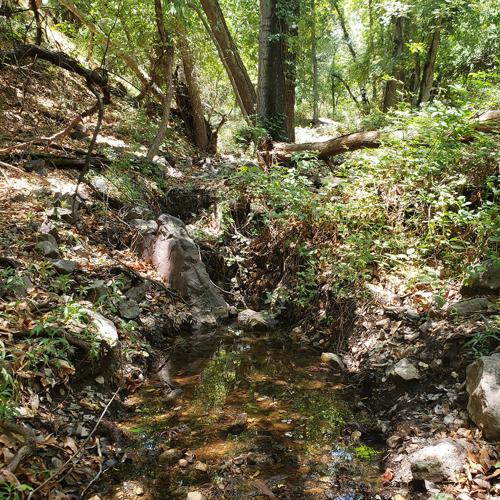
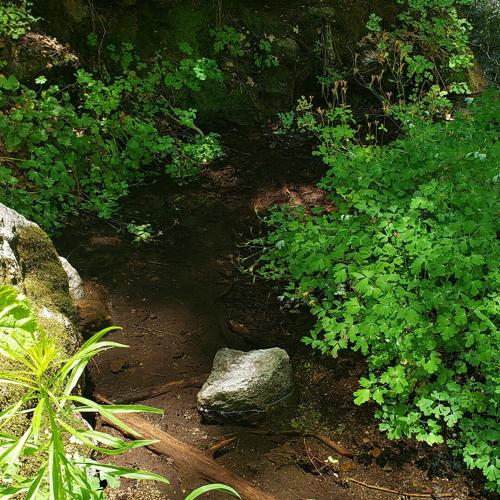
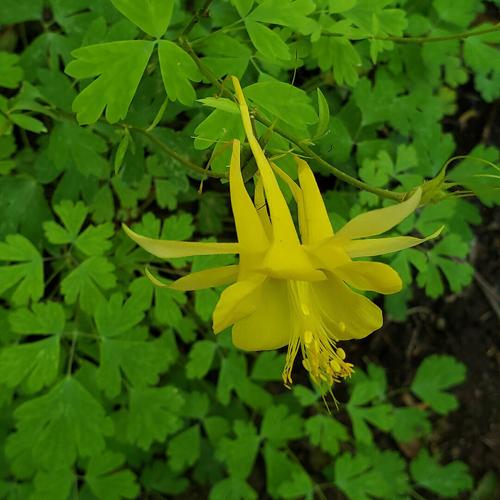
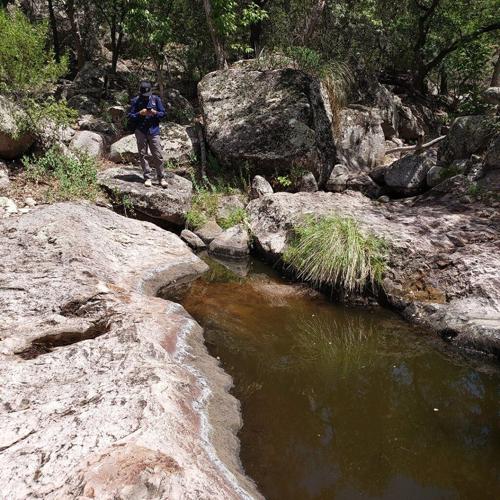
This summer brought Spring Seeker a new opportunity to expand and deepen our understanding of the springs found in new sections of the Bavispe Flora and Fauna Protection Area — which, like Saguaro National Park, consists of multiple non-contiguous units. In recent years, the project’s summer work had focused exclusively on the Sierra Los Ajos near Cananea, Sonora. This year, however, marked the start of a new phase for the project, as we were able to carry out a series of expeditions that took us into new sections of the protected area. Each trip presented a new challenge, but also a chance to document these water sources so key to life in the Sky Islands.
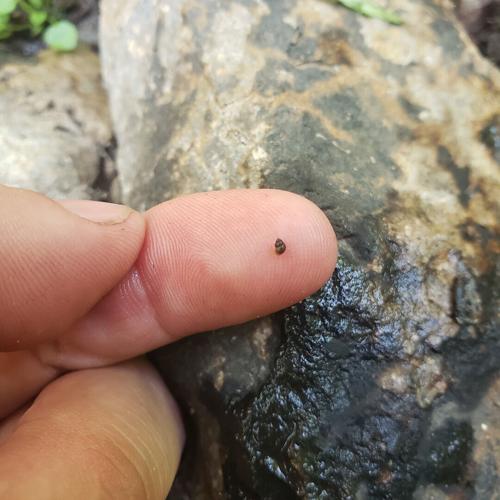
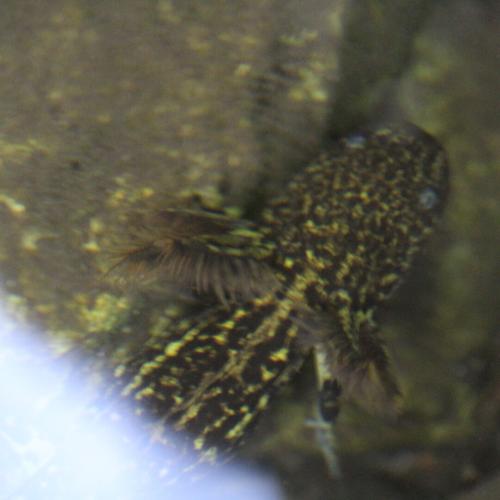
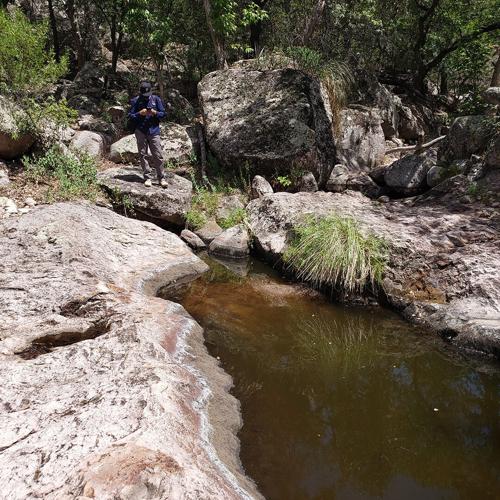
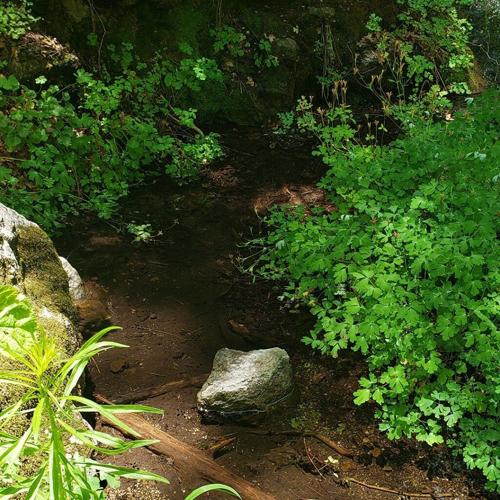
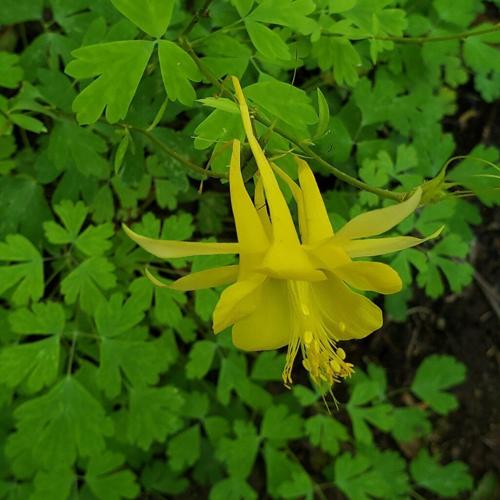
Our first expedition took us to the Sierra La Madera, where we had a great adventure and, for the first time, recorded springs for our Spring Seeker project. Over several days of fieldwork in the area, we recorded 27 springs, many of them in good condition and with abundant water, surrounded by vegetation and teeming with life. We found important species such as the Tarahumara salamander (Ambystoma rosaceum), characteristic of this area, and likely undescribed snails from the genus Pyrgulopsis. We also found springs facing serious threats, mainly from livestock access. One was found in very poor condition, and others are at risk due to old fencing or a lack of fencing to protect them.
People are also reading…
Our second adventure, and one of the most challenging, was returning to the Sierra Los Ajos, one of the largest sections within APFF Bavispe, where many springs remain to be recorded, despite our progress in 2024 and 2025. This time we explored new sites and documented 25 additional springs, considerably expanding the existing information for this mountain range. While livestock access could also become a threat to these springs, most were in very good condition.
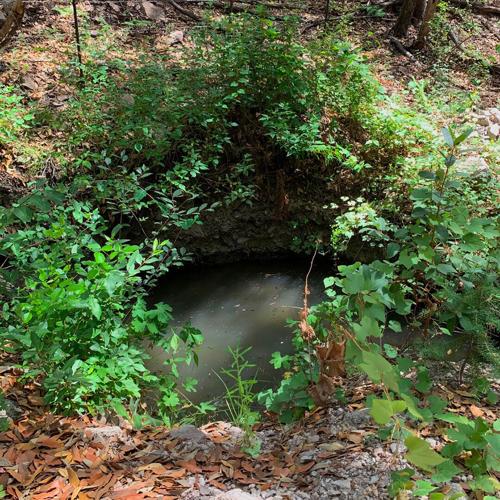
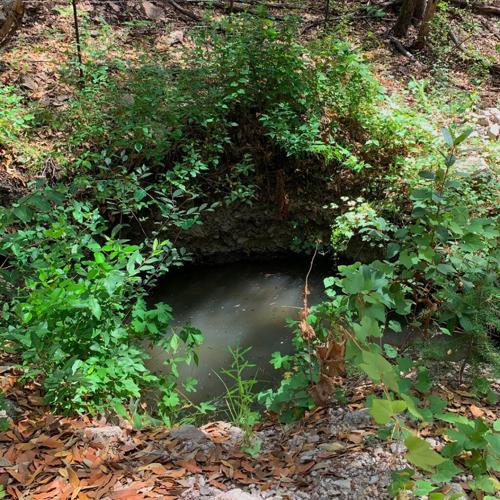
Our final outing of the summer was our first visit to the Sierra San Diego, where we observed a high level of drought evident in both the vegetation and the abundance of springs. Despite this, we managed to record 18 springs, several of them with little water but still fulfilling their function in the ecosystem.
In sum, the results from this summer represent a major step forward for our Spring Seeker project and for future conservation, restoration, and management efforts. In all, we recorded 70 new springs — adding to the 63 documented in 2024 and 2025 in the Sierra Los Ajos, bringing the total number of springs monitored within APFF Bavispe to 133. Beyond the number itself, these 133 documented springs reflect an effort to generate information that will help protect them in the long term, as each record includes information on location, physical characteristics, water availability, conservation status, potential threats, and photographs.
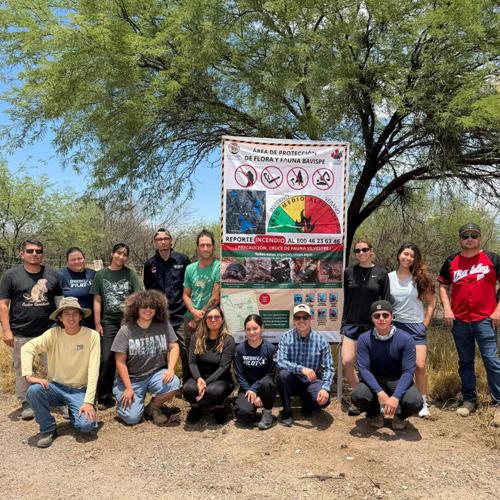
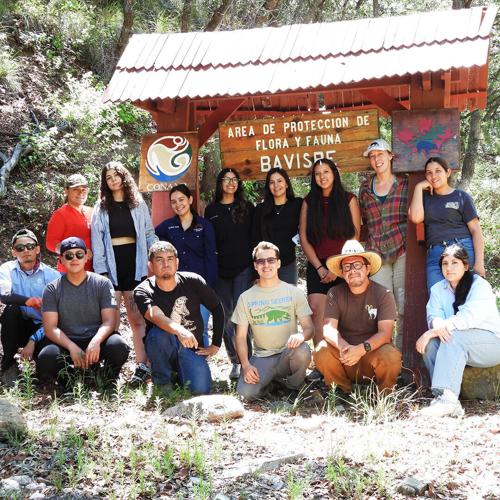
We thank each and every person whose commitment and effort made this achievement possible, from our donors to our partners and everyone who joined the field teams. This summer, more than 30 people took part: students from the Universidad de la Sierra and the Universidad de Sonora, interns, volunteers, participants in the PROREST program, and APFF Bavispe staff, who joined Sky Island Alliance to share experiences, knowledge, long hikes, unexpected rainstorms, and countless adventures along the way.
Spring Seeker’s work continues, and there are still many mountains to explore and springs to discover. But anything is possible when we work together toward a shared goal: ensuring that the Sky Islands and their natural resources endure for generations to come.


