As the fall semester starts, the University of Arizona has closed three of its dorms for the 2026-27 academic year and permanently removing one from its official housing website.
The three dorms closed include Kaibab-Huachuca, which was closed earlier in the 2025-26 academic year; Manzanita-Mohave and Graham-Greenlee, according to the UA’s Housing and Residence Life website. Babcock dorm, the fourth, is no longer visible on the website.
Kaibab-Huachuca was constructed in 1958, Manzanita-Mohave in 1957 and Graham-Greenlee in 1956.

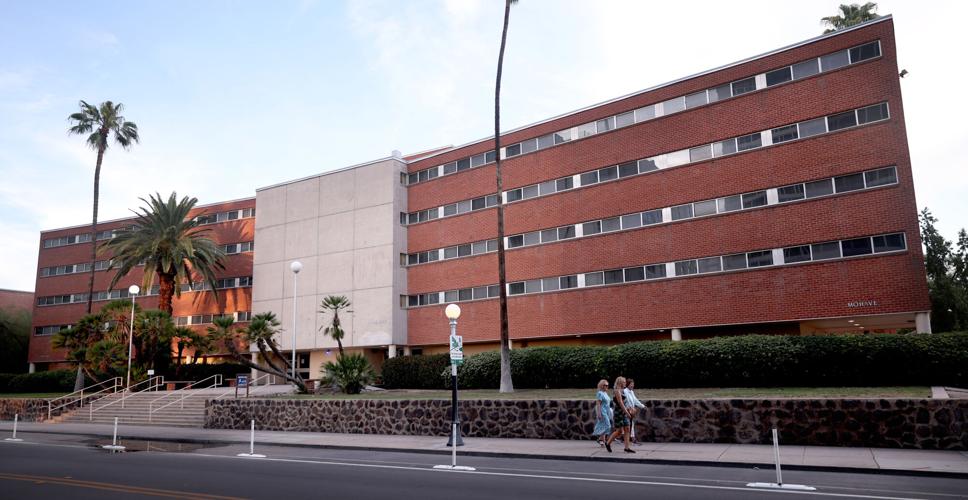
Manzanita-Mojave, 1000 N. Park Avenue, one of the University of Arizona dorms closed this fall semester.
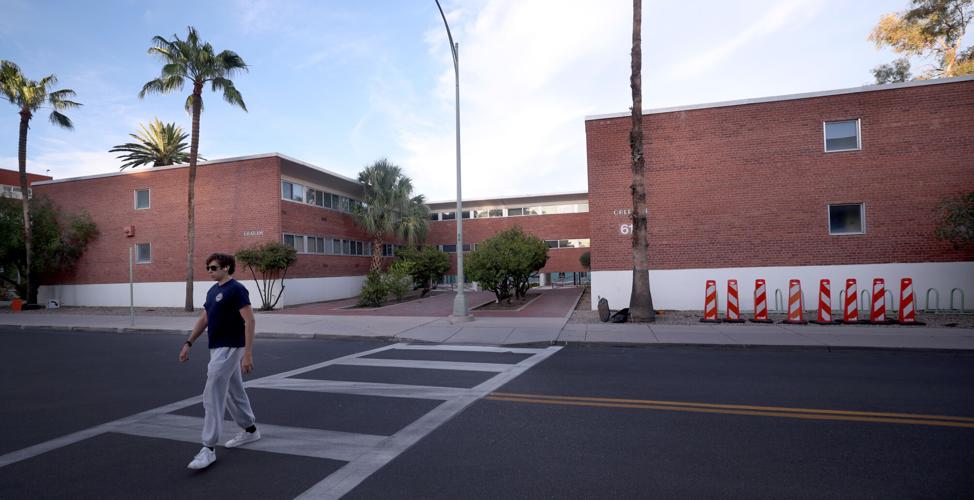
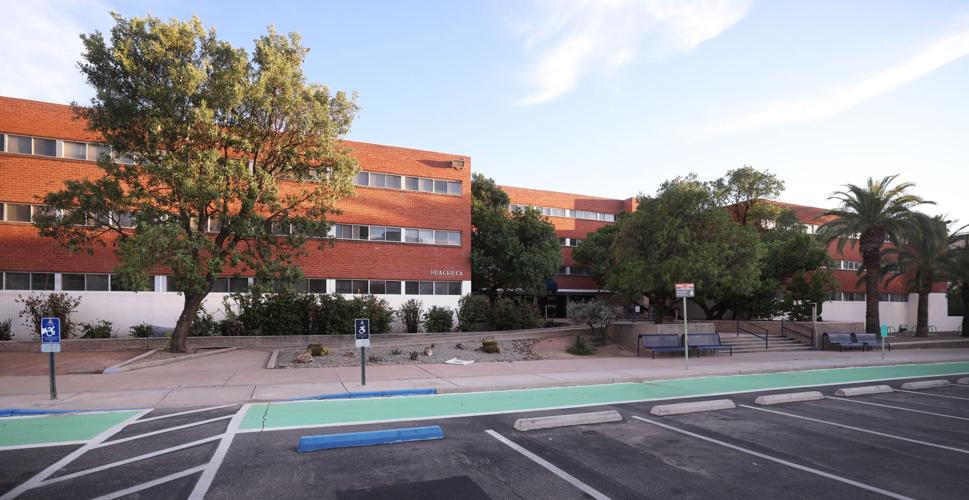
Manzanita-Mohave and Kaibab-Huachuca dorms are five stories each and Graham-Greenlee is a three-story dorm.
People are also reading…
A sixth dorm, Árbol de la Vida, will have one building reserved for female students next academic year, and the Pima and Hopi dorms have been reserved for returning students.
UA’s media requests department did not respond to the Arizona Daily Star’s request to confirm the closure of the four dorms and the reasons they closed. The department also did not answer the Star’s questions about whether these dorms were closed due to reduced enrollment and if some of the open dorms have reduced capacity to adjust to the projected decrease in incoming students.

UA's Graham-Greenlee dorm, 610 N. Highland Ave., is closed this fall.
The UA has a total of 23 dorms and one graduate housing complex on campus, which are spread across four districts — Highland, Historic, North and Park, according to an April 28 student housing update shared with UA’s off-campus housing providers. The total original capacity in these on-campus housing spaces was 7,600, the update showed.
According to this April update, on-campus housing in 2025-26 opened with 900 fewer students than the previous year and the UA recorded about 90% occupancy — 5,908 occupied out of 6,595 sellable beds.
According to an employee in UA’s Housing and Residence Life, the dorms open for this fall are operating under “reduced capacity,” but officials don’t expect to fill that reduced capacity either.
According to more recent data shared in July, the employee said UA’s dorms have slightly more than 5,300 beds, and the projected number of total students, including new and current students, who will live in the dorms will be 5,299. That's based on housing applications, with cancellations still expected, they said.
Considering that four dorms have been closed, “The University’s inability to fill its reduced capacity points to internal challenges,” said Oliver Swan, owner of Stone Avenue Standard, a locally owned and managed student-only apartment community.
“Despite changing its policies, including requiring first-year students to live on campus, the university still failed to fill its own reduced capacity,” Swan told the Star in an email Thursday. “As an off-campus student housing provider, we are partners, not opponents, to the university. We are invested in the university’s success and frankly worried that it’s not honestly facing its challenges in recruitment and retention.”
The closure of the four dorms comes after UA’s announcement earlier this year of a $250 million project it’s undertaking to build a new dorm on the northwest corner of Speedway and Campbell Avenue.

Kaibab-Huachuca, 940 E. Fourth St., is one of four dorms closed this fall at the University of Arizona.
The project is in partnership with the nonprofit Collegiate Housing Foundation, which will finance, build and operate the dorm. The project’s direct construction cost is estimated at $145 million, and the total cost of development won’t exceed $250 million. The UA will have no debt obligation.
The dorm, initially intended to be 19 stories, is now expected to be nine stories while accommodating an increased capacity of 1,300 beds, up from the originally projected 1,200. It’s scheduled to open in the fall of 2028 and include a dining hall.
UA officials told the Arizona Board of Regents at a February meeting that they will ask first-year, full-time students to live in on-campus housing. They said students’ rate of graduation improves by 50% if they live on campus at least one year rather than living only off-campus.
Reduced enrollment expected
According to internal university data that the Star obtained and reported two weeks ago, the UA is expected to see a drop of another nearly 23% in first-year undergraduate students in the upcoming fall semester. As of Aug. 17, UA’s first-year undergraduate enrollment was expected to be approximately 5,800, according to the data, although university officials haven’t confirmed these numbers publicly.
The drop in first-year undergraduate students this fall comes after a 19% decline last year.
And while university officials have talked about intentionally wanting to reduce enrollment and be more selective in choosing which students they admit, internal university data show the UA’s acceptance rate for fall 2026 increased in comparison to the last two years.

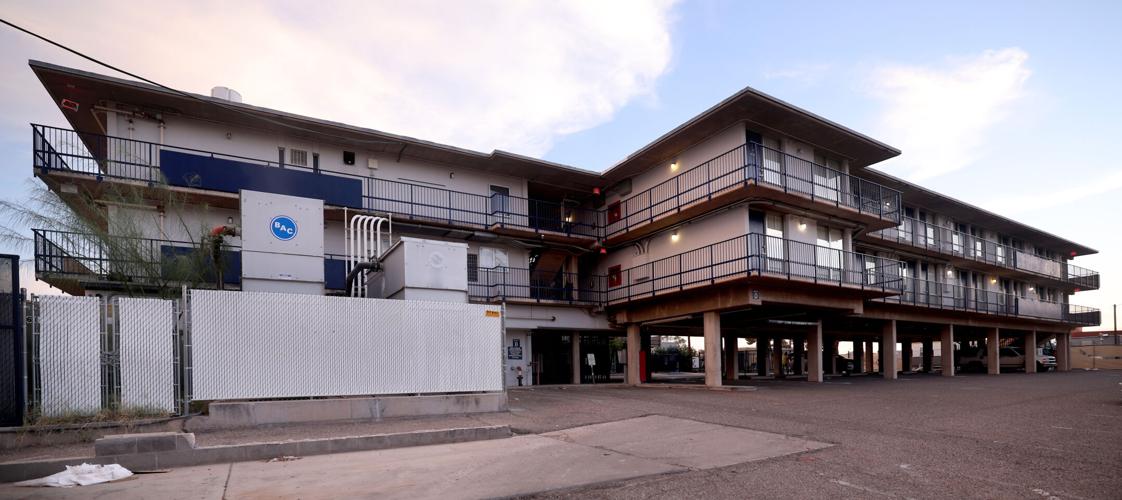
Babcock dorm, 1717 E. Speedway, is also closed this fall semester at the University of Arizona.
This increased acceptance rate comes with a significant decline in the number of applications in all three categories of students — in-state students, out-of-state students and international students.
The UA’s overall acceptance rate for freshmen undergraduate students went from 87% in fall 2024 to 85% in fall 2025, before increasing to 90% this fall, according to the internal data the Star obtained last week. The data show the acceptance for in-state and international students increased this fall, but decreased slightly for out-of-state students.
UA spokesperson Mitch Zak told the Star that the UA will share numbers publicly after the university’s census data is complete, which happened in late September last year. The semester starts next week.
Swan, owner of Stone Avenue Standard, said the UA is the single largest employer in both Tucson and Pima County. Its growth and economic output is vital to the regional economy, and its importance in job creation can’t be overstated, he said.
Swan said the UA “blaming” the enrollment drop on the demographic cliff is “misleading.” The demographic cliff stems from the declining birth rate in the U.S. during the 2007 Great Recession, which has led to a sharp drop in traditional-age college-going students now.
“The reduced applicant pool paints a clear picture: how can the university attract the best students when its applicant pool is shrinking at exponential rates?” Swan asked.
Reporter Prerana Sannappanavar covers higher education for the Arizona Daily Star and Tucson.com. Contact her at psannappa1@tucson.com or DM her on Twitter.

Prerana Sannappanavar
Higher Education Reporter