
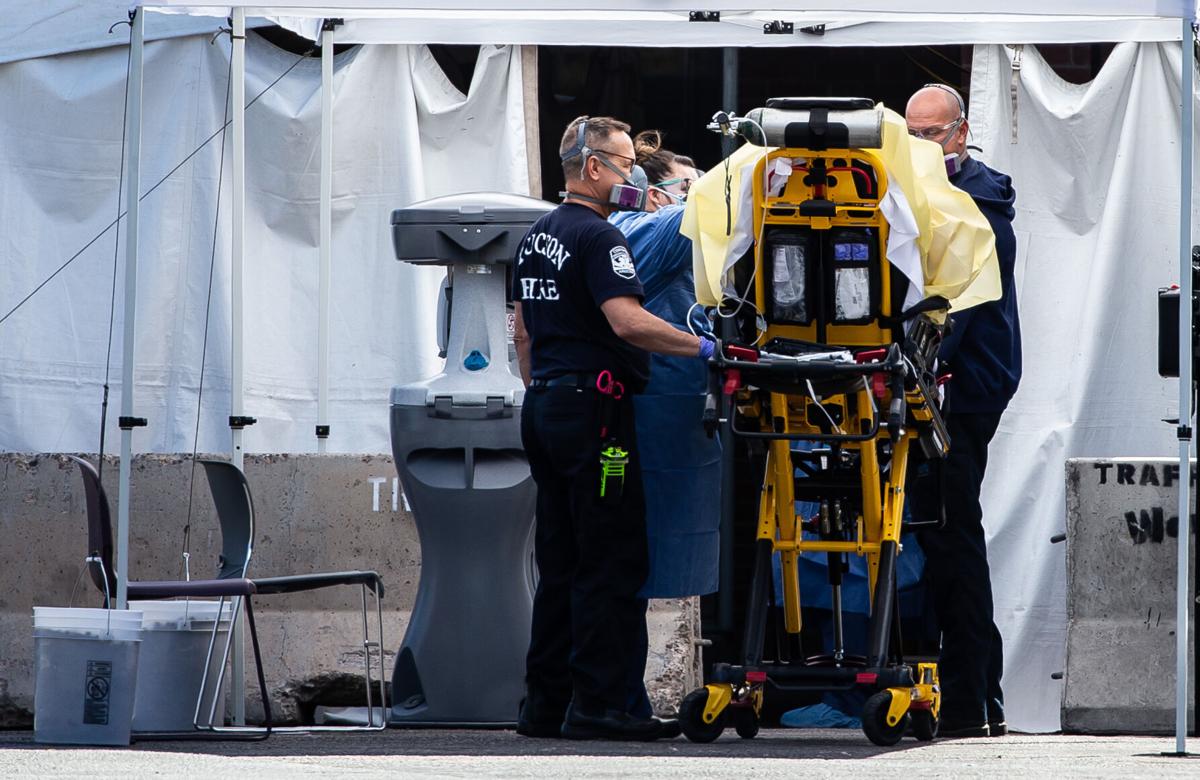
Carondelet St. Joseph’s Hospital has received a level one trauma center designation from the Arizona Department of Health Services, which means staff can provide critical care for patients with life-threatening injuries.
The new status will be effective starting Sunday for the hospital at 350 N. Wilmot Rd.
"We're really excited to provide this care for Southern Arizona," said the hospital's chief operating officer, Dr. Nikki Castel. "There's a huge need."
Banner-University Medical Center has been Southern Arizona’s only level one trauma center since 2003, typically handling about 5,000 trauma cases per year with a staff of 10 trauma surgeons as well as medical residents and clinical trauma fellows. The medical center, at 1625 N. Campbell Ave., can also take level two pediatric trauma patients and also provides a burn program for children and adults.
People are also reading…
Both Castel and Dr. Francis Ali-Osman, a trauma surgeon and St. Joseph's Medical Director for trauma services, said the COVID-19 pandemic made the process that much more challenging this year, and they are proud of how hard staff worked toward this goal while also treating the novel virus.
"They didn't let COVID stop them from charging forward and taking care of high acuity patients," Castel said.
The hospital began working toward this designation in November 2019 with the opening of new trauma bays — which are specially equipped rooms — as well as a trauma intensive care unit. St. Joseph's passed into level three in January with no deficiencies, Ali-Osman said.
The next step is national certification with the American College of Surgeons.
Specialities that will now be offered for critical injured patients include orthopedic trauma surgery, neurosurgery, vascular and cardiovascular surgery, general surgery, facial surgery, hand surgery, ophthalmology and plastic surgery.
"If you are critically injured, the closer you are to a level one trauma center the better your chances for survival," said Ali-Osman.
The hospital now has four trauma surgeons on staff and can also tap into a larger group of providers here as needed. However, they cannot provide trauma services for children and teens under 18, but they can stabilize pediatric patients before moving them to a pediatric trauma center.
"Southern Arizona continues to grow, and this capability is needed our community," Ali-Osman said. "The way this hospital has come together to put this all together is outstanding and really quite amazing."
Photos: St. Joseph's Hospital before opening day, 1961
St. Joseph's Hospital in 1961

St. Joseph's Hospital, 350 N. Wilmot Road, Tucson, in April, 1961.
St. Joseph's Hospital in 1961

St. Joseph's Hospital, 350 N. Wilmot Road, Tucson, in April, 1961.
St. Joseph's Hospital in 1961
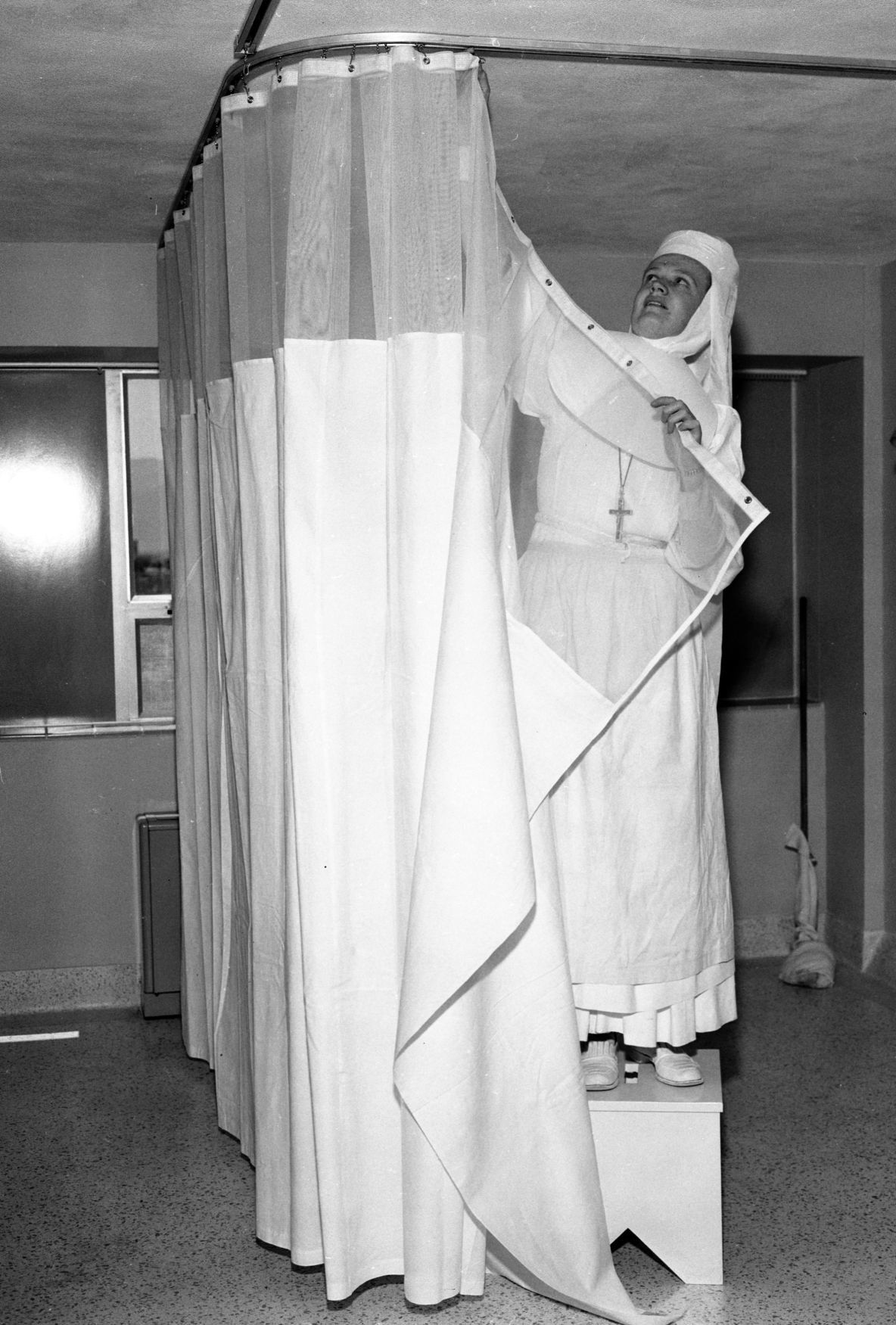
St. Joseph's Hospital, 350 N. Wilmot Road, Tucson, in April, 1961.
St. Joseph's Hospital in 1961
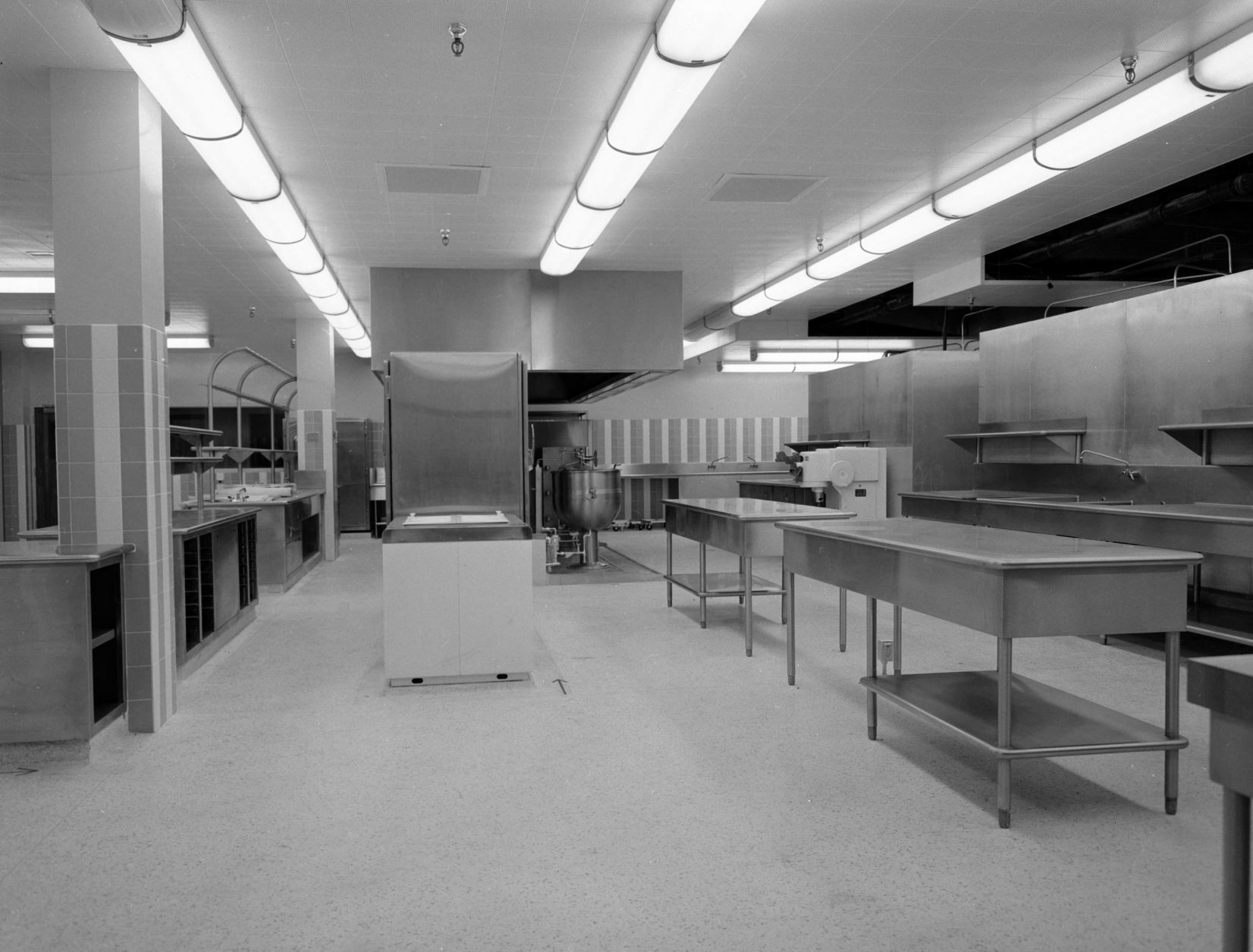
The kitchen at St. Joseph's Hospital, 350 N. Wilmot Road, Tucson, in April, 1961.
St. Joseph's Hospital in 1961
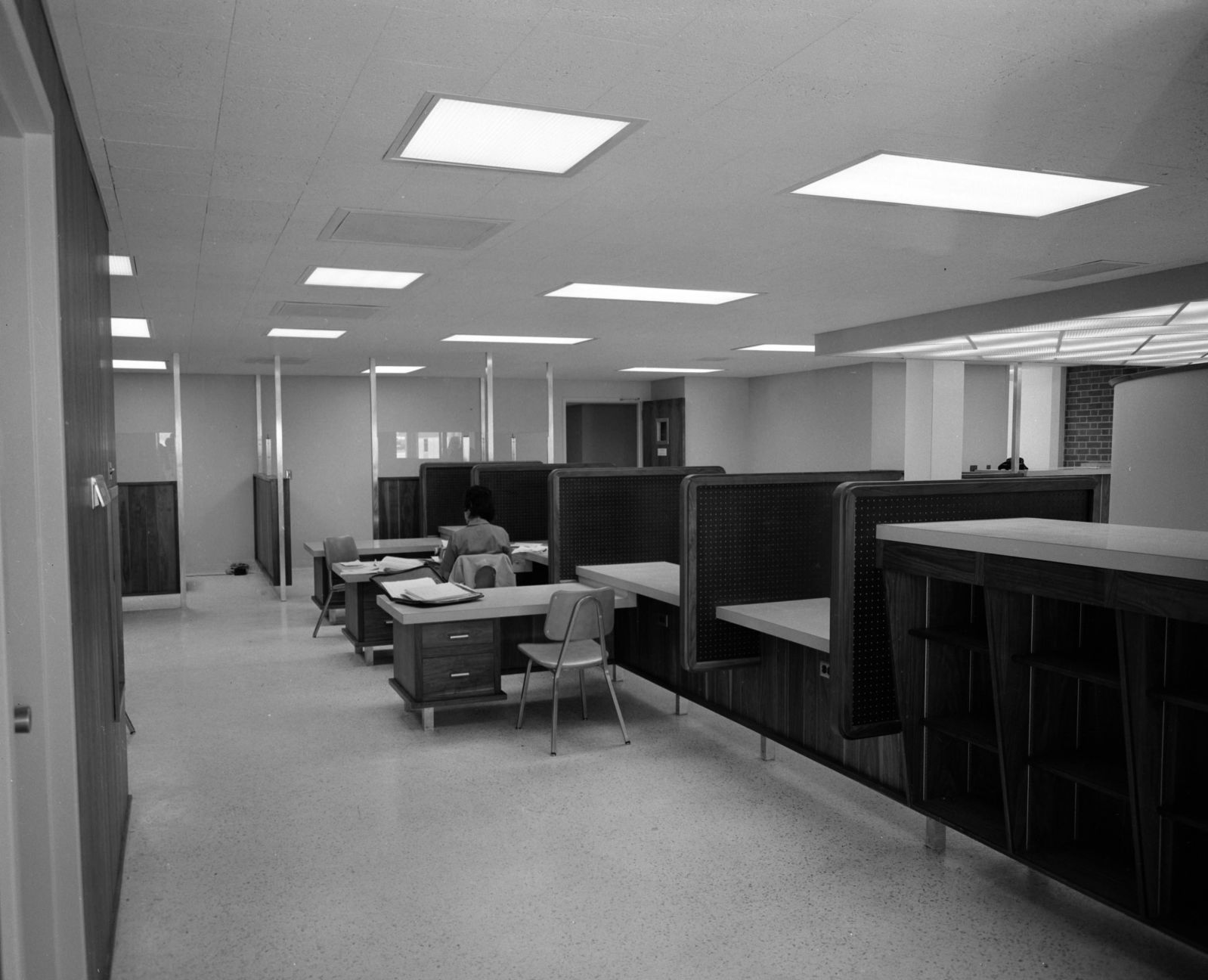
St. Joseph's Hospital, 350 N. Wilmot Road, Tucson, in April, 1961.
St. Joseph's Hospital in 1961
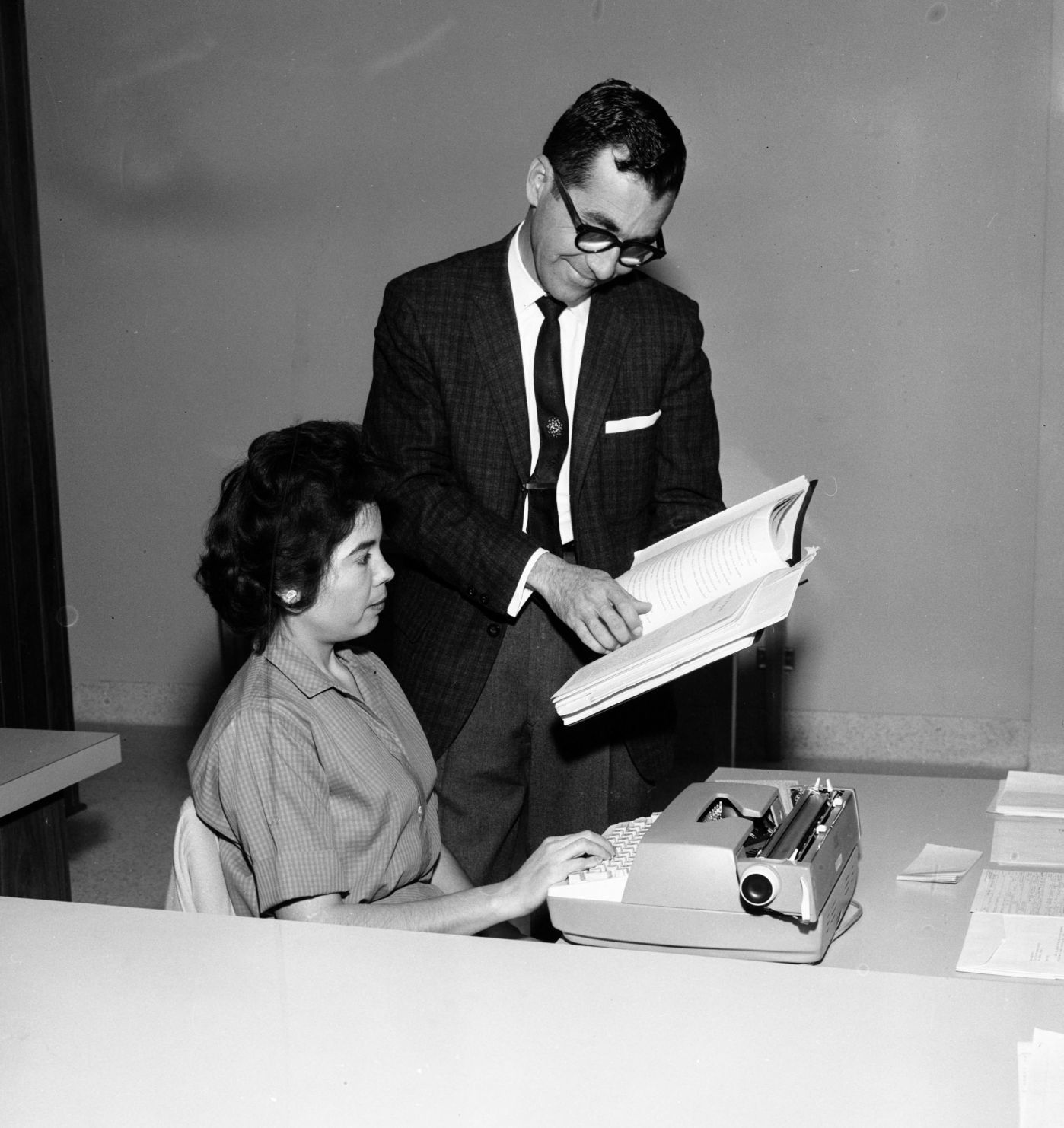
St. Joseph's Hospital, 350 N. Wilmot Road, Tucson, in April, 1961.
St. Joseph's Hospital in 1961
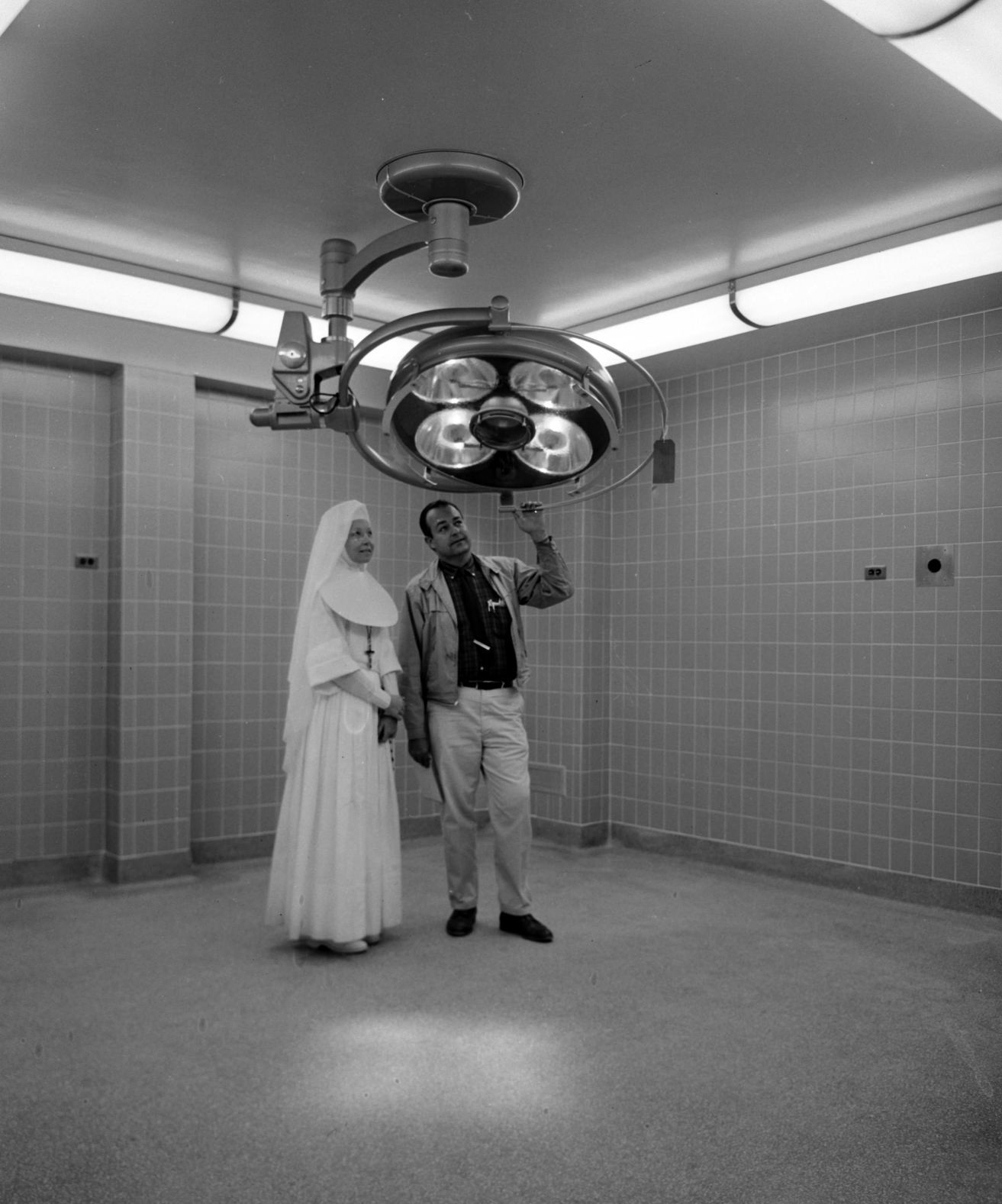
St. Joseph's Hospital, 350 N. Wilmot Road, Tucson, in April, 1961.
St. Joseph's Hospital in 1961
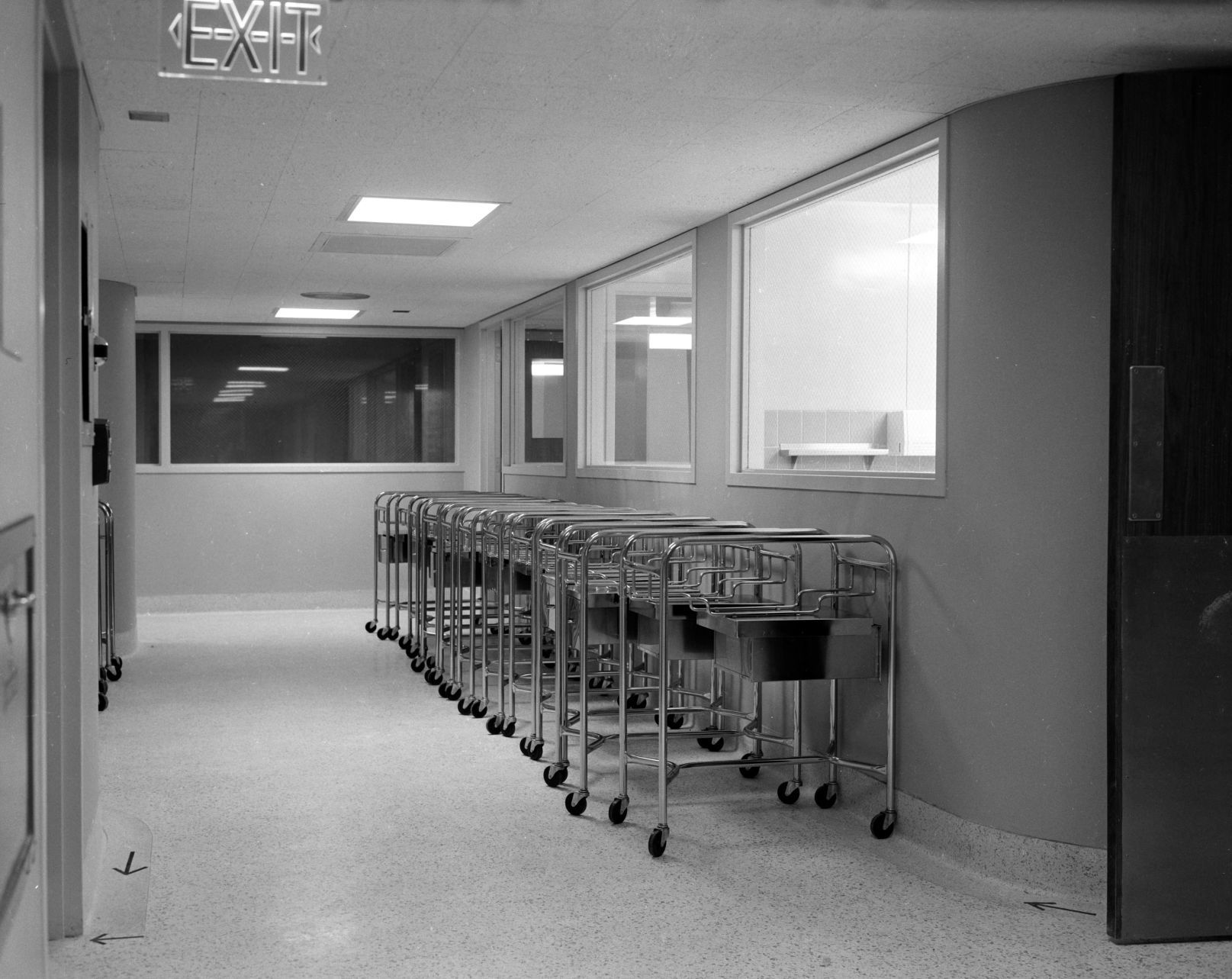
Labor and delivery at St. Joseph's Hospital, 350 N. Wilmot Road, Tucson, in April, 1961.
St. Joseph's Hospital in 1961
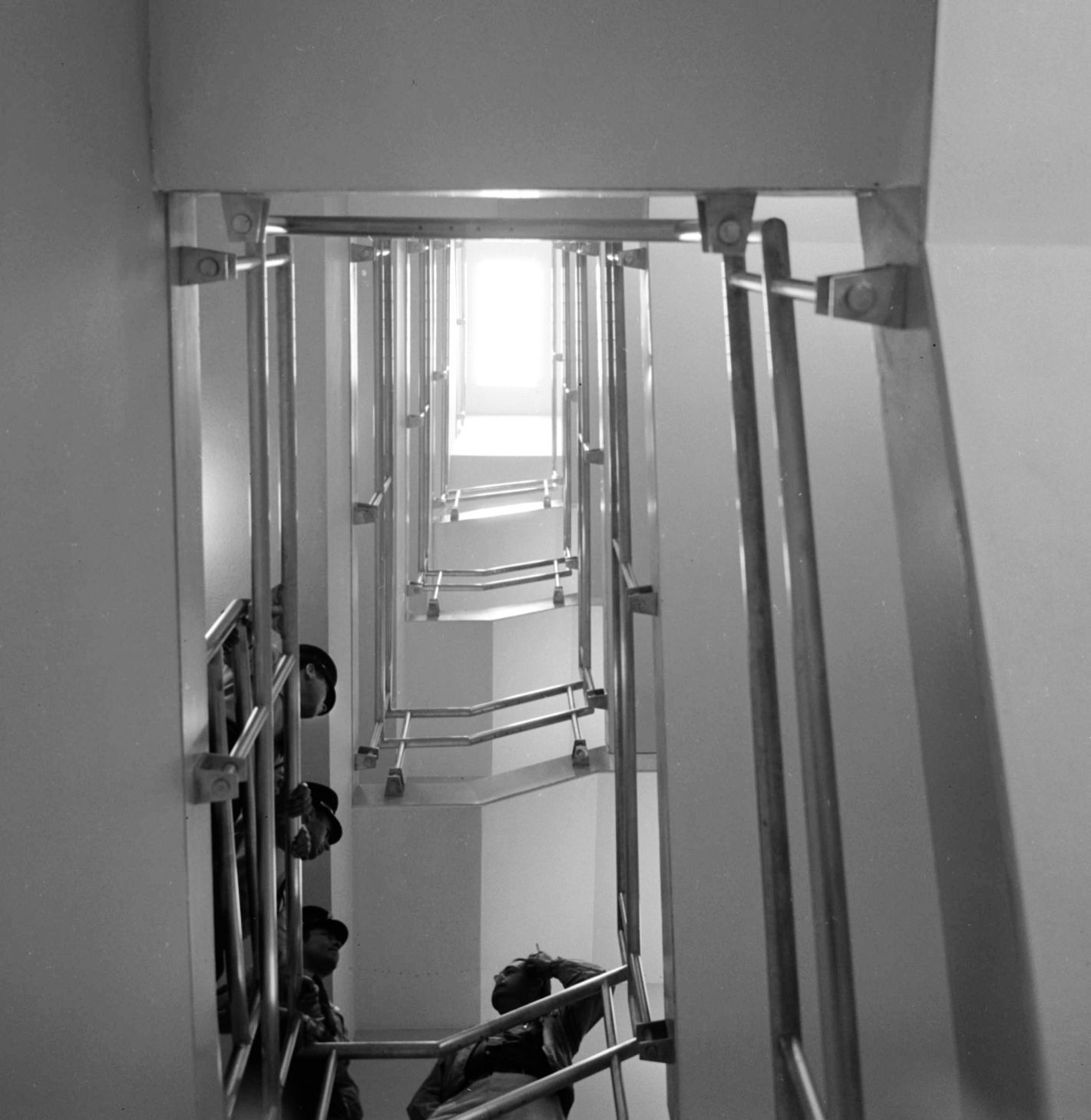
Looking up three floors at St. Joseph's Hospital, 350 N. Wilmot Road, Tucson, in April, 1961.
St. Joseph's Hospital in 1961
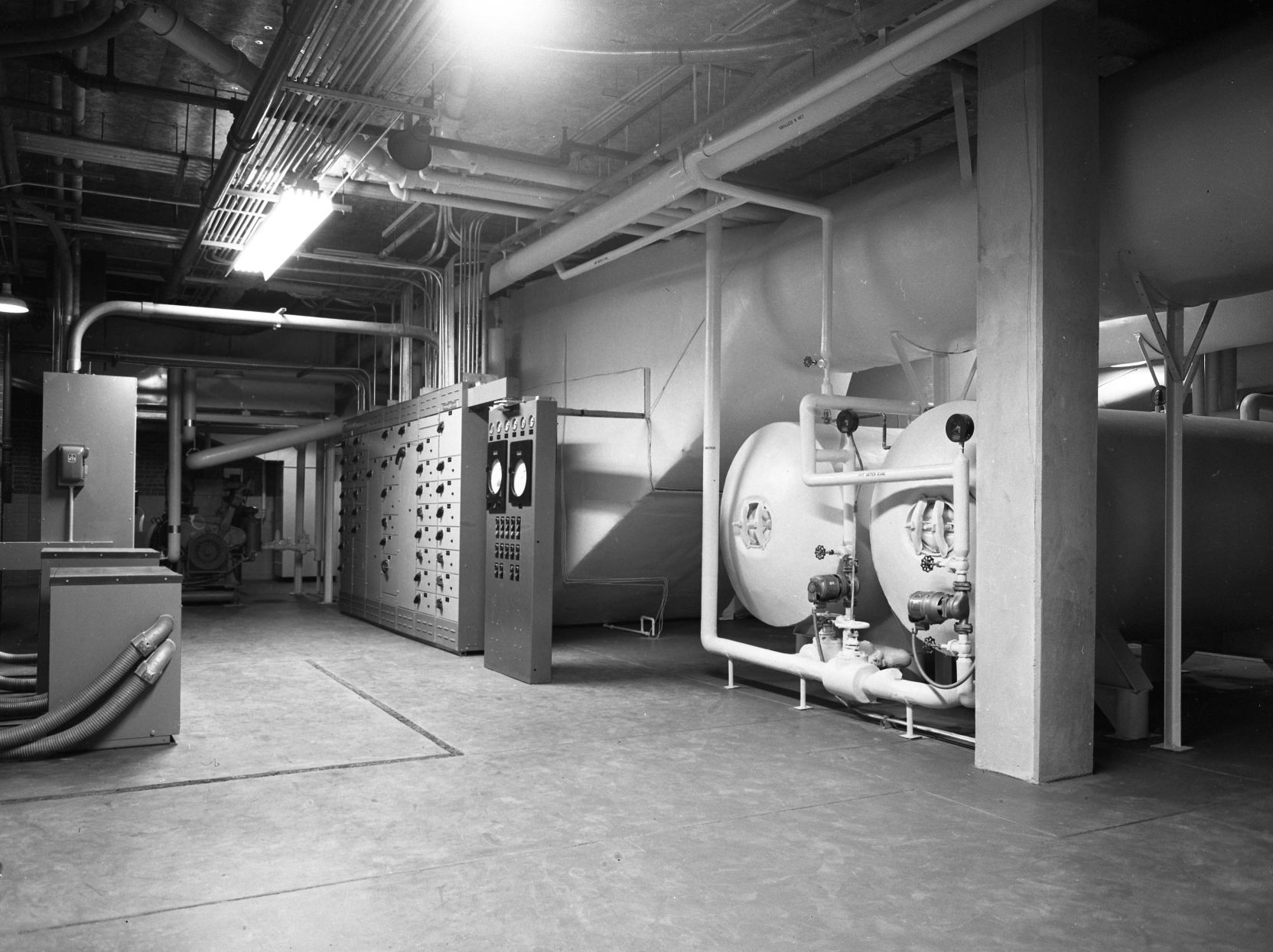
St. Joseph's Hospital, 350 N. Wilmot Road, Tucson, in April, 1961.