A record warm winter could lead to record wildfires this summer.
Phoenix hit 90 degrees during the last week of February, and it was 89 in Southern Arizona, temperatures we normally don’t see until late March. Late February also saw the high hit 70 degrees in northern Arizona, which averages 49 degrees that time of year.
The hotter temperatures combined with low rain and snowfall have fire officials worried about a longer wildfire season.
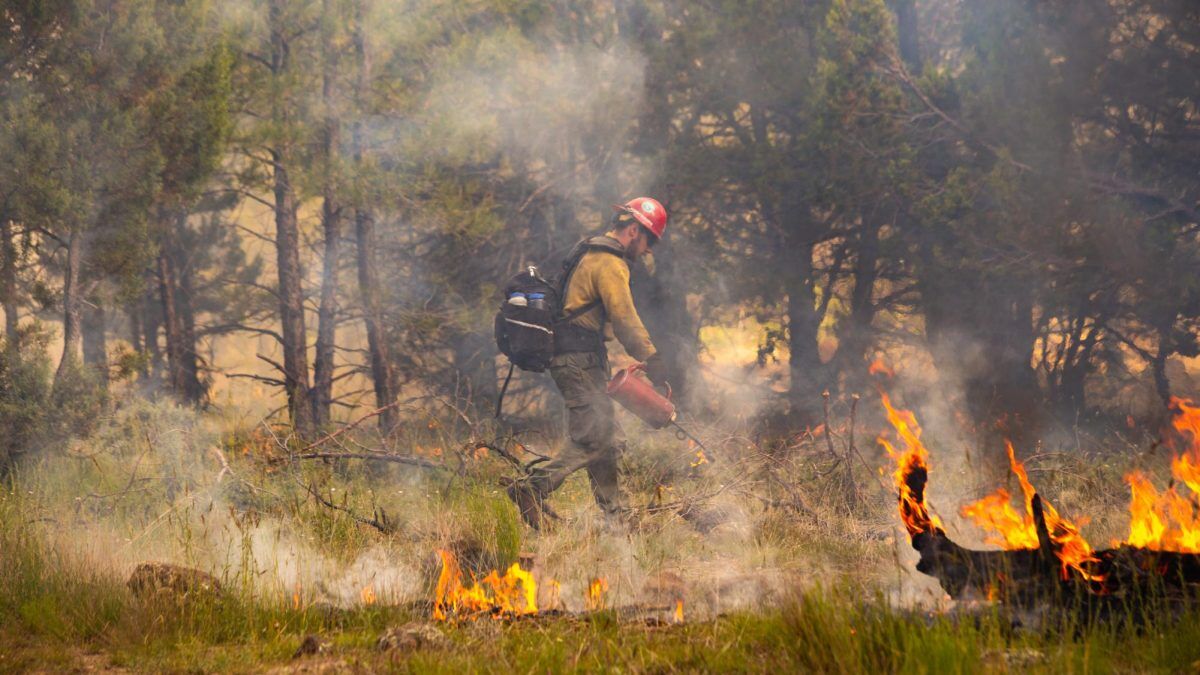
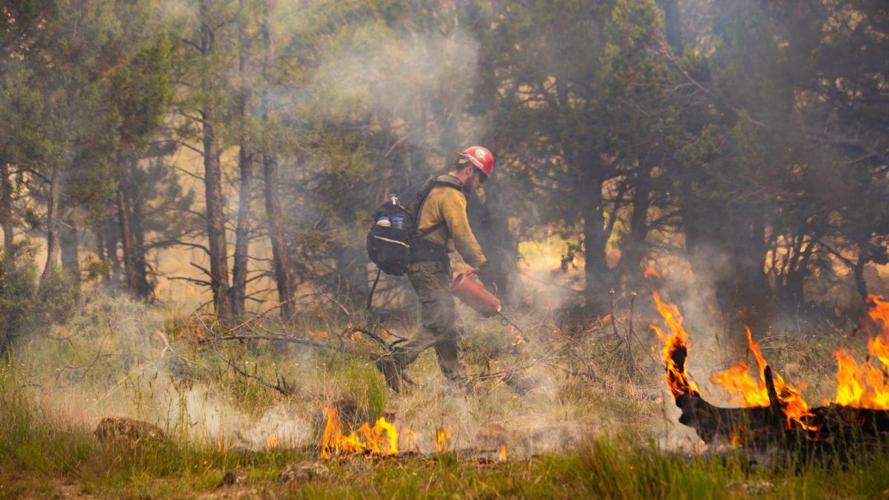
The Mormon Lake Hotshots work on the Wilbur Fire, a 2023 lightning-caused wildfire on the Mogollon Rim Ranger District of Coconino National Forest.
Flagstaff got just 26.6 inches of snow, which was better than the 11.2 inches from this time last year but well below the average of 65.5 inches, while Mount Lemmon has recorded 34 inches of snow compared to its average of 60 96.
The greater Tucson area’s 1.4 inches of rainfall was well below the average.
People are also reading…
“We have seen fire season become fire year,” said Randi Shaffer, public information officer with Coconino National Forest.

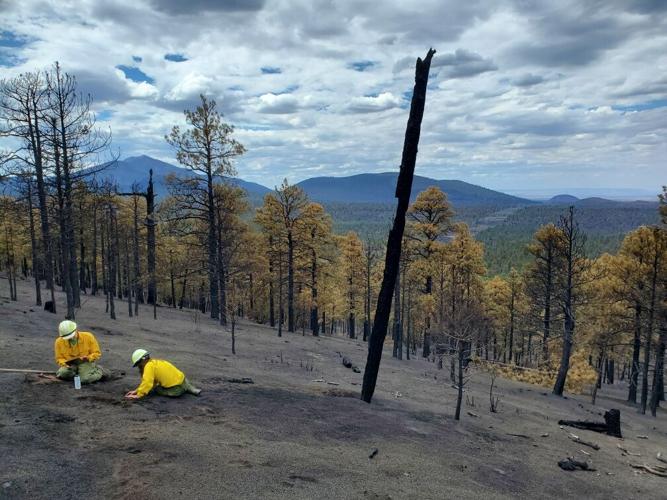
A soil scientist and a hydrologist perform soil burn severity assessment on a ridge after the 2022 Haywire Fire in Coconino County.
Without the precipitation, trees and other vegetation will dry out, making it easier for fires to ignite and spread.
“There is not as much moisture as we want for the fire season. The dryer winter elevates faster and longer fire seasons,” said Tucson National Weather Service meteorologist Kiera Malarkey. “The drought is forecasted to continue and last longer after the summer months.”
The National Forest Service and the Arizona Department of Transportation are working together to remove dead brush along the roads to minimize fire potential.
The wildfire forecast comes after last summer’s active season that included the lightning-sparked Dragon Bravo Fire in Flagstaff, which burned 144,000 acres, forcing the north rim of the Grand Canyon to close for months. Thousands of residents were evacuated from nearby communities.
Coconino National Forest knows what a wild wildfire season can mean. In June 2022, the Pipeline Fire in Flagstaff near Schultz Pass burned through 26,771 acres after somebody burned used toilet paper 80 yards from a campsite. At the same time, lightning caused the Haywire Fire 6 miles away from the Pipeline Fire, which burned an additional 5,575 acres. The combined fires required 919 fire personnel to contain.
The Bighorn Fire in Tucson’s Santa Catalina Mountains, where Mount Lemmon is, was sparked by lightning in June 2020. It burned 119,987 acres and forced the evacuation of Mount Lemmon and Summerhaven.
That fire helped Mount Lemmon Fire Department create wildfire training strategies and procedures to prepare for active fire seasons.
“We’re constantly training, making sure equipment is in working order, going through and evaluating properties as requested to make sure that they’re well defended or defendable,” said Mount Lemmon Fire Department Capt. Dan Leade.
The National Forest Service urges people to take precautions while visiting the forests this summer. Never leave a campfire unattended, keep the chains of your vehicle up, and abide by the closures.
“We can’t prevent lightning, but we can prevent human-started fires and stop devastation,” Shafer said.