Eric and Christine Amadio have been a steady presence at farmers markets across metro Phoenix since 2014, selling tomatoes, zucchini and peaches so juicy that Eric has to tell customers to lean over while they eat them, for fear of the "signature Amadio squirt."
But this year, they stopped selling their produce at Ahwatukee Farmers Market a month before the market was set to close for the summer. The high cost of diesel, combined with lower-than-usual sales, made it unprofitable for them to keep going each week.
Since the beginning of 2026, they’ve earned about half of what they normally do, Eric said.
“It was getting to where we weren’t making anything,” Eric said. “Now, we’re starting to get into losses.”
Small farmers like the Amadios whose presence forms the core of local farmers markets are feeling the twin pressures of high diesel prices and flagging sales. Things haven’t reached a breaking point yet, but multiple farmers said they’re worried about how long they can continue.
People are also reading…

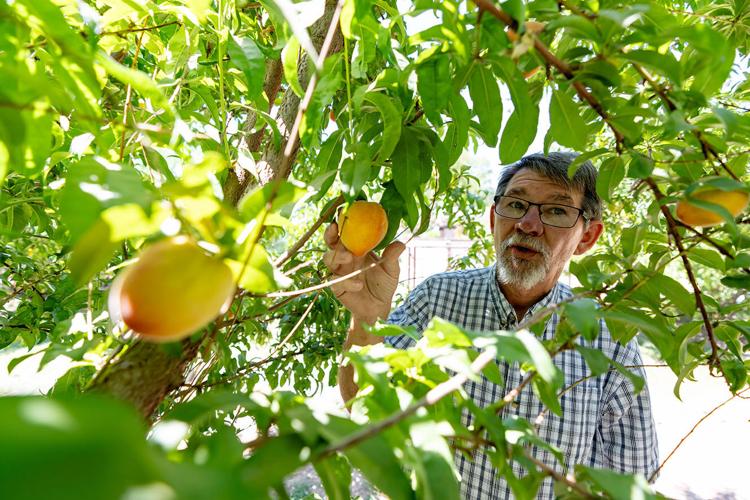
Eric Amadio looks at peaches on trees at Amadio Ranch in Laveen.
'It's just really hard'
Due to the war in Iran, the price of diesel increased by over $2 per gallon compared to April 2025, according to AAA’s fuel prices database. On Apr. 8, diesel hit a record high in Arizona at $6.20 per gallon.
At Crooked Sky Farms, a 65-acre farm at the base of South Mountain, one small tractor uses around 40 gallons of diesel in a day, according to owner Frank Martin. Between the multiple tractors that it takes to maintain the farm combined with the large, refrigerated delivery trucks to transport produce to the farmers market, the farm’s fuel bill has increased by several thousand dollars over the past few months.
“It’s just really hard,” Martin said. “The fuel is just getting crazy.”
McClendon’s Select is one of the largest local organic farmers in metro Phoenix and has been selling produce at Valley farmers markets since the early 2000s. Owner Sean McClendon said that his fuel bill has doubled in the past month.
“Everyone is feeling the impact of this,” McClendon said.
Planning for the worst
Raising prices is one way for small-scale farmers to offset the higher input costs, a luxury that larger farms beholden to commodity markets don’t have. McClendon said he’s had to raise prices, which has helped compensate.
But there’s also a risk to raising prices because farmers market produce is already an extravagance that many people are willing to cut when times get tough, Martin, the owner of Crooked Sky Farms, said.
Wary of scaring customers off, he hasn’t raised prices. He’ll dip into the farm’s reserves as long as he can.
“There’s only really a certain amount that people can really afford,” Martin said. “We’ll try to keep it where it is for as long as we can.”
At Amadio Ranch, the Amadios have come up with a long-term plan in case fuel prices don’t abate. If necessary, they’ll scale down, offering fewer services and even potentially planting fewer crops. They’re prepared to go back to how the business operated in the early days, when it was just the two of them and not about a dozen employees.

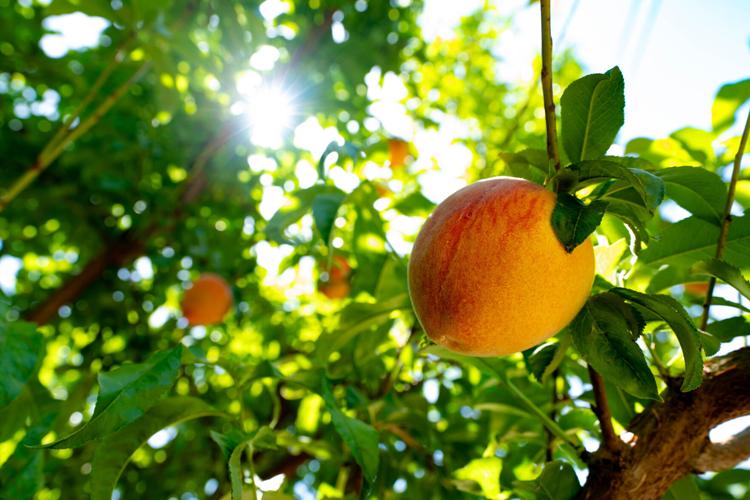
The sun shines down on the peach orchard of Amadio Ranch in Laveen.
“We’re just kind of holding our breath, waiting to see what happens,” Eric said.
For now, they’re focusing on encouraging people to visit their acre-and-a-half property in Laveen, since that’s what pays the bills. Visitors can feed goats, walk through rows of vegetables and sample one of Christine’s homemade pies. Plus, educating people about where food really comes from is what got them into the business in the first place.
“The point of the farm has been to anchor people back to what food production is really like,” Eric said. “When you understand the forces behind food, the world starts to make sense.”

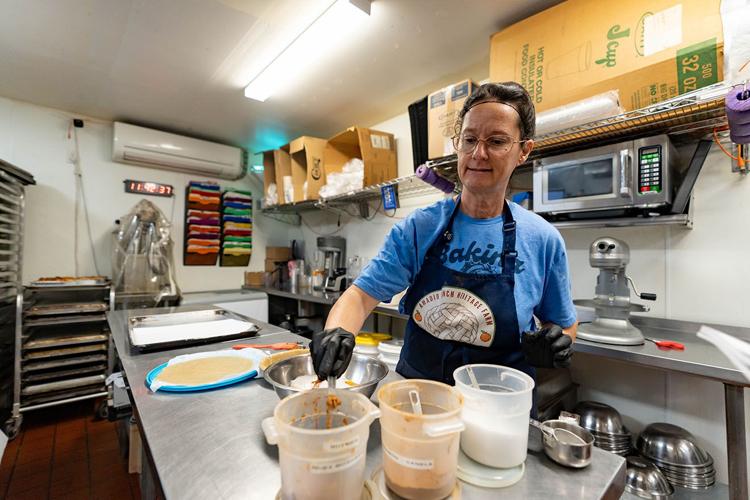
Christine Amadio makes pies in the bakery of Amadio Ranch in Laveen.