
The following is the opinion and analysis of the writers:
There’s no sugarcoating it: Arizona, like most of the U.S., is experiencing a climate emergency. It’s clear we are at a breaking point.
In the last few years, places across our state have reached one grim milestone after another: record-breaking temperatures, most days above 100 degrees, and most heat-related deaths. And our drought continues — 17 of the last 26 years have had below average rainfall across our state, and summer’s not even over. According to one study, extreme heat and drought are on track to make large swaths of our state unlivable within a generation unless our country and our state’s leaders get serious about tackling climate change immediately.
That’s why we are optimistic to hear news out of Washington about ambitious climate legislation on the table that would give our state and nation a fighting chance to protect, preserve and provide for our future. We need our elected leaders to stand up for clean energy, good jobs, and healthy communities in Arizona and across the country.
People are also reading…
As two Tucson-based climate experts, what we see in our research and our lived experience as mothers in this community is that there is simply no more time to waste. Bold action is needed now.
As Arizonans, resilience and adaptation are in our blood; if you’ve lived in this state for a significant amount of time, you might have missed the progression of climate changes around us. Yes, we’re in a drought, but we can still turn on the tap and get water on demand. Yes, it’s hot, but this is Arizona, so of course it’s hot. The desert is deeply ingrained into our way of life, so anything other than hot and dry would be a major culture shock. But if we continue on the trajectory we are on, we will enter an era that no Arizonan has ever seen or will be able to prepare for.
The climate alarm bells have been ringing in our state for decades. Huge forest fires have burned much of our public land; our air quality is regularly and significantly impacted by dust, smoke and other particulates; Lake Mead, which provides Arizonans with 40% of our water, has been steadily shrinking for decades. Water levels have gotten so low — the lowest since the reservoirs first filled in the middle of the last century — that our state, in collaboration with others, is taking drastic measures to restrict water use, including paying residents and farmers not to use their Colorado River water allocations.
To be clear, we will not reverse these trends overnight. We have the opportunity to reduce carbon emissions in the U.S. by 40% by 2030 by spurring investments in electric vehicles, solar and wind energy, and technology research. We can make the U.S. the world leader in green manufacturing, create thousands of jobs and provide Americans with cleaner, cheaper energy.
Dragging our feet is what brought us to this breaking point. We have the potential to manage climate risks and identify economic opportunities. In this era of extreme weather, everything we do — the roads we build, the cars we manufacture, the energy we produce, the food we eat, the water we drink — must be seen through the lens of its climate change implications. And while there are choices each of us can make to ease this transition, we need the entire government, working together, to launch a coordinated response to the biggest threat facing our generation.
There are no individual solutions to systemic problems, but we as individuals have a responsibility to build the collective power needed to deliver broad and meaningful change. Right here in Arizona, we can lead the way with our traditional, hard-nosed, clear-eyed, face-the-facts approach to a better, lower carbon, more prosperous future. Our children and grandchildren are counting on it.

Joellen Russell
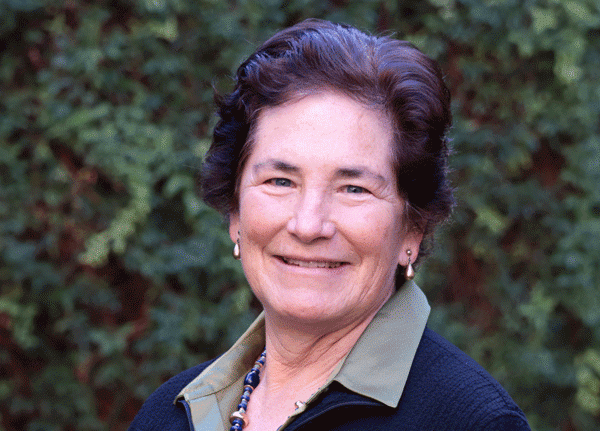
Kathy Jacobs
Professors Joellen Russell and Kathy Jacobs are leading climate experts at the University of Arizona and members of the non-partisan group Science Moms.