While University of Arizona officials have said they’re intentionally choosing to shrink enrollment and be more selective in admitting students, internal university data shows the UA’s acceptance rate for fall 2026 increased compared to the last two years.
It also shows that applications dropped dramatically for this year’s fall semester — by about 24% for in-state students, 33% for out-of-state students and 81% for international students.
The UA’s overall acceptance rate for freshmen undergraduate students went from 87% in fall 2024 to 85% in fall 2025, before increasing noticeably to 90% this fall, according to the internal data the Arizona Daily Star has obtained.

Prospective students and parents walk past one of the wildcat sculptures on the University of Arizona Mall during a guided tour of the campus in late March.
The data also shows the UA has increased its acceptance of in-state students while decreasing it for out-of-state students, goals the university’s administrators have embraced, saying they want to give more access and financial aid to Arizona students.
People are also reading…
However, because of the plunge in applications from Arizona students, the actual enrollment of new in-state students could well be lower than last fall’s.
UA spokesperson Mitch Zak did not answer the Star’s question on what UA administrators say about the overall acceptance rate increasing about 5% this fall after they publicly announced a strategy to be more selective.
He also did not answer questions about the average GPA of students accepted for the fall 2026 semester and what financial packages were given to students who accepted UA’s offers of admission, and did not comment when told of faculty leaders’ concerns about the big drop in applications from Arizona students.
Zak did not confirm or deny the numbers, but said the UA “will have official numbers following the fall census after the semester begins.” The census for fall 2025 enrollment was completed and released in late September last year.
Despite increased acceptance rates for in-state and international students, the UA’s first-year, undergraduate enrollment is expected to be approximately 5,800 students, the internal data show, as the Star previously reported.
This would be a drop of nearly 23% from the fall 2025 semester, which itself saw a 19% decline from 2024.
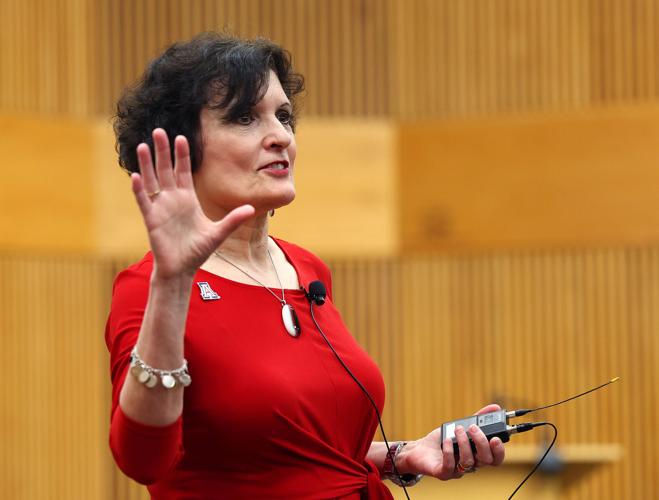
UA Faculty Chair Leila Hudson said “one of the most troubling aspects of the admissions shortfall” is the decline in in-state applications.
In an interview with the Chronicle of Higher Education in May, UA President Suresh Garimella and Provost Patricia Prelock discussed their strategy to intentionally downsize the UA’s enrollment and large class sizes, saying they felt quite a few freshmen undergraduate students were coming in unprepared.
Garimella said the UA, in the past, had a high number of applications “that perhaps were unserious” and the university would still bring those students in and provide generous amounts of financial aid, the Chronicle reported. He said those students didn’t have the grades to get into other universities and would come to Arizona schools and struggle academically and, in some cases, not graduate.
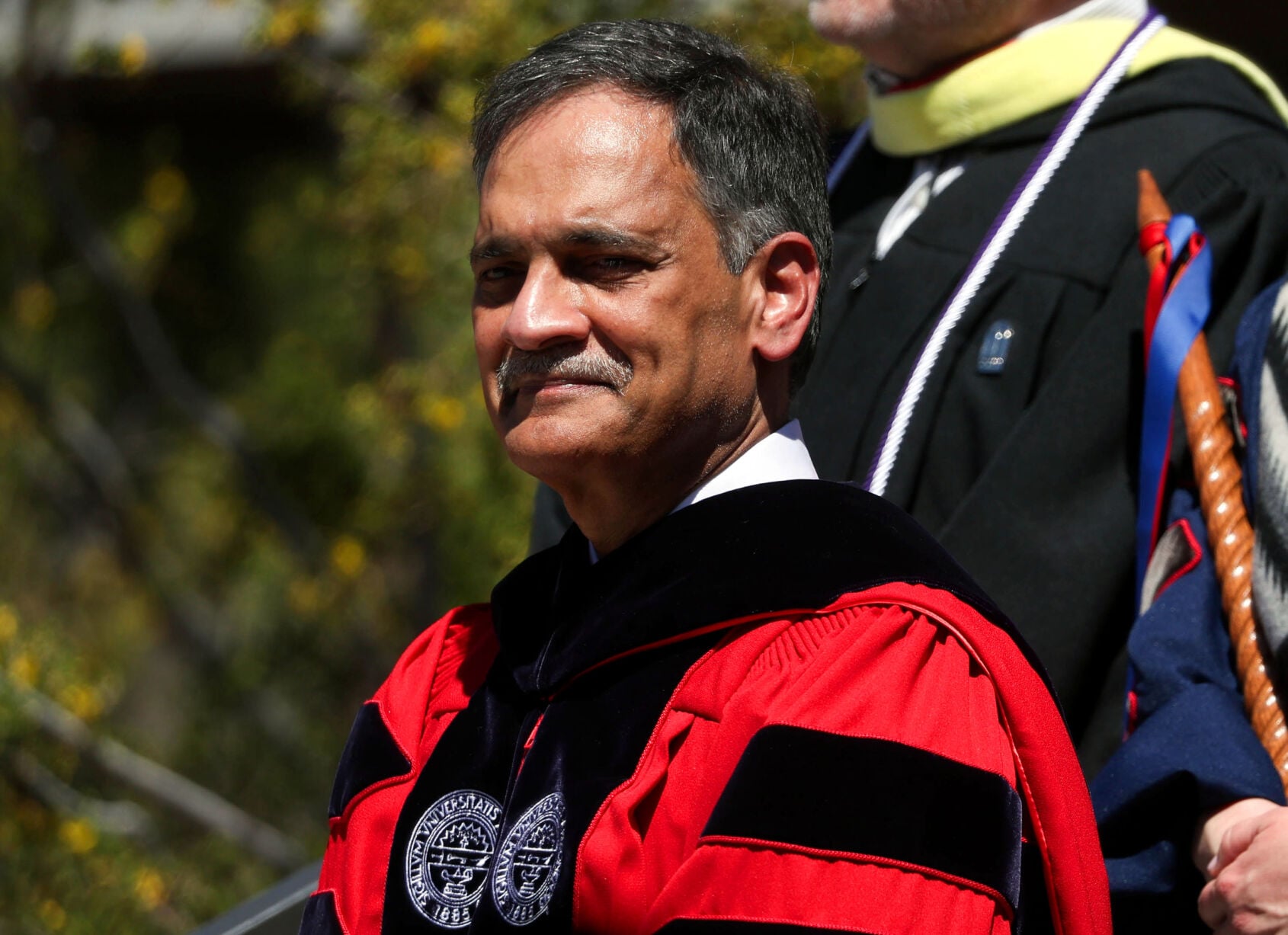
Suresh Garimella during his formal installation as University of Arizona president in March 2025.
“Maybe we shouldn’t have brought them here in the first place,” he said. “I want to be careful how I say it, because some of the students are here. I don’t want to say they shouldn’t be here, but I think our new approach is much more ethically responsible in terms of bringing in the right students.”
Details by category
The internal university data, which is current as of Aug. 10, two weeks before the semester starts Aug. 24, shows UA’s acceptance rate for:
Arizona students increased from approximately 92-93% in fall 2024 and 2025 to nearly 95% in 2026;
Out-of-state students dropped from around 93-94% in fall 2024 and 2025 to approximately 88% in 2026; and,
International students went from nearly 59% and 51% in fall 2024 and 2025 to significantly higher at nearly 89% in 2026.
Prelock told the Chronicle that universities, every fall, “race to celebrate enrollment growth, as though more automatically means better.” However, the mission of universities should be to look into whether the students are prepared for the “rigor of the university,” how many of them move towards degrees, and finally, how many of them graduate “prepared for meaningful work and fulfilling lives," she said.

University of Arizona Provost Patricia Prelock.
Prelock has also talked about her push to increase UA’s graduation and retention rates.
In the fall last year, Prelock said her goal is to increase student retention by 2% each year over the next three years so that the UA gets to 90%, and to increase graduation rates by 2% over the next five years so they reach 65% for four-year graduation and 85% for six-year graduation.
For the fall 2026 semester, the UA changed its admissions process and set a new, hard application deadline of Nov. 1 last year for early acceptance; later applications were processed through the spring of this year.
The UA also said it was switching to a “holistic review” process to sift through student applications, in which the UA considered students’ experiences, achievements and aspirations as well as GPAs, different than in past years.
Drop in applications
It is also important to note that the number of undergraduate student applications in all three categories has dropped from previous years, according to the internal data the Star has seen:
Arizona student applications went from nearly 14,000 for the fall 2024 and 2025 semesters to about 10,600 for this fall;
Out-of-state student applications went from 30,000-32,000 for fall 2024 and 2025 to about 20,600 for this fall; and,
International student applications went from about 8,800-9,000 for fall 2024 and 2025 to only around 1,600 for this fall.
This decline likely reflects factors including the nationwide decline in international students, the decline in students’ interest in going to college out of state due to high tuition costs, and the much-talked about “demographic cliff.”
That cliff is the “steep decline in traditional-age students projected to start by 2026, with the number of new high school graduates expected to fall by about 13 percent by 2041,” as the Chronicle of Higher Education reported. This has been predicted since Americans started having fewer babies at the start of the Great Recession in late 2007, NPR reported.
Due to that demographic change, universities across the U.S. are finding it harder to fill classroom seats and dorm beds.
Added to that factor is the drop in international students. According to a preliminary analysis by NAFSA: Association of International Educators and JB International, it’s projected that the U.S. will have 111,000 fewer international students at colleges and universities, for reasons including “visa appointment bottlenecks, and newly restrictive immigration policy changes.”
As for out-of-state students, Prelock previously told the Star that the UA still wants them to come, but wasn’t going to give “significant merit (aid) to every single student.” UA’s fall 2025 enrollment numbers showed a 23% drop in students coming from out of Arizona.
Faculty reactions
When shown the preliminary fall 2026 numbers obtained by the Star, Hudson, the faculty chair, said she had no way of knowing if the statistics were reliable because, she said, the UA administration hadn’t been transparent with faculty leaders, unlike previous years.
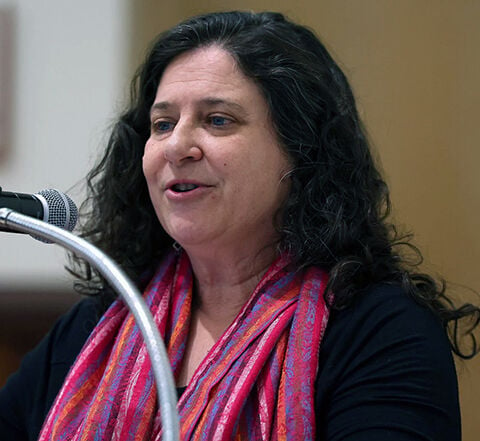
UA Faculty Chair Leila Hudson
However, if the numbers are accurate, she said “it appears that whatever strategy the administration is trying to execute is running into headwinds and is not panning out as they would have wanted.”
Of the drop in in-state applications, she said: “It would suggest that the anecdotes we’ve heard about the Garimella administration’s neglect of long-standing relationships with high school counselors and Wildcat families around the state, confusing and contradictory messaging and recruiting practices, rushed and inconsistent application of ‘holistic’ standards are taking a toll on our in-state market share beyond what can be blamed on the so-called demographic cliff,” she said.
She said they should “never be discouraging students in the state of Arizona” from applying to the UA.
Zak, the UA spokesperson, did not respond when asked by the Star if he wanted to respond to Hudson’s comment.
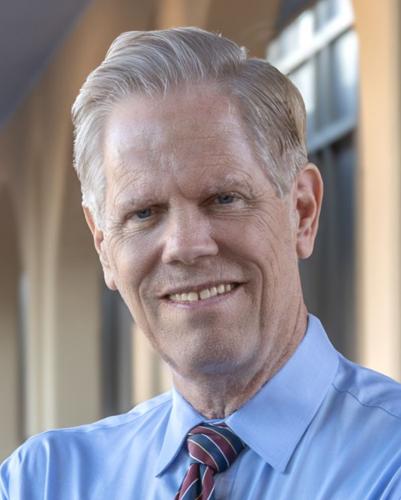
Mark Stegeman, a UA associate professor of economics, said the out-of-state decline is expected and most UA faculty support UA’s renewed focus on in-state students.
The drop in in-state applications is harder to explain and “the most concerning," he said.

UA Associate Professor Mark Stegeman
“I think UA has lost some applicants to ASU, because ASU's transcripts make online education less obvious, which students view as an advantage when entering the job market,” Stegeman wrote to the Star. “Negative news stories surrounding UA, over the past few years, may have also hurt, as have some procedural changes in the admissions process. I think UA can and should improve its local recruiting, going forward, without reducing admissions standards.”
He said the Arizona Board of Regents, which oversees the state’s three public universities, should “move beyond reactive damage control and lead a process of strategically rethinking the universities’ value proposition and building synergies rather than competition among the three schools.”
“The legislature should also be part of the discussion of how to strengthen the universities' ” product, to rebuild broad political support and demand for their services,” he said.
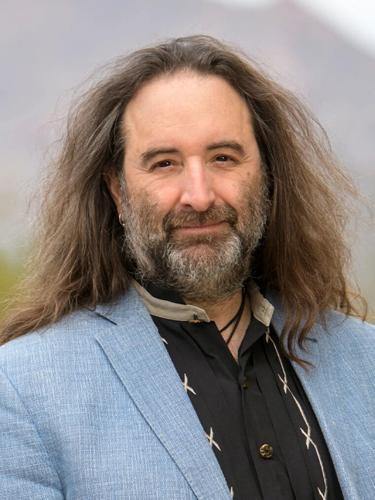
Keith Maggert, a UA associate professor in molecular and cellular biology, said the changes to the admissions process this year were seen by his department as a “major problem” and the reason a lot of students weren’t accepting UA’s offer of admission.
Students “were being asked to make the decision much too early in some cases, and those students were just reluctant to do it,” Maggert told the Star.

UA Associate Professor Keith Maggert
He also said “it’s possible that (students) don’t see the U of A or maybe other state institutions as as good of a deal as they used to be. And it may be because of the ongoing drumbeat by the Trump administration sort of attacking the validity and the utility of having a college education.”
Maggert said he wasn’t necessarily opposed to the UA’s desire to be more selective since the university does get a lot of students who “immediately have to take remedial classes” and don't seem prepared for college.
“That’s not the University of Arizona’s fault. That’s a much bigger problem nationwide,” he said. “If you look just within Arizona, I think it’s clear that the issue rests with elementary education, middle school and high school education. The students that we see right now are the ones that were in middle school during COVID, and I can speak from my experience that that was a pretty dark time in education.”
Hudson said if the statistics are correct and the pool of international student applications has gone down that much, the UA is not in a position to “be more selective and more exacting in our standards.”
Stegeman said while the Trump administration’s policies might have discouraged international students, the stronger applicants “are more likely to persevere, and so the higher acceptance rate is predictable and probably does not reflect lower admissions standards.”
Reporter Prerana Sannappanavar covers higher education for the Arizona Daily Star and Tucson.com. Contact her at psannappa1@tucson.com or DM her on Twitter.

Prerana Sannappanavar
Higher Education Reporter


 U of A’s fall enrollment down more than 20%, sources say