

consumer advocates' report
The soft, stuffed dinosaur might appear harmless while sitting on store shelves, but it has a mighty roar.
So mighty, the Arizona Public Interest Research Group - Arizona PIRG - has put Playskool's Kota and Pals Stompers Triceratops on this year's list of potentially dangerous toys. Too much exposure to the roar, PIRG says, could lead to damage in children's sensitive ears.
The consumer advocacy group released its annual toy-safety report, titled "Trouble in Toyland," on Tuesday at Tucson Medical Center, 5301 E. Grant Road.
PIRG traditionally releases its survey as shoppers gear up for the holidays.
Some progress has been made since last year, when safety issues emerged with toys imported from China, PIRG said. But even with new regulations from the U.S. Consumer Product Safety Commission, potentially dangerous toys are still for sale, said Whitney Kraner, a representative from PIRG's Arizona public education fund.
People are also reading…
"Many toys on store shelves may not have been tested," Kraner said.
This year's report focused on three hazards: toys that may pose a choking risk; ones that may be excessively loud; and toys that contain toxic chemicals.
Choking hazards
PIRG's report found that most toys are safe and properly labeled. But some toys have parts small enough that - while they pass the Child Safety Protection Act's test for small toys - they could pose a choking hazard for small children.
The toys listed here do not have warnings on their packaging because they did not fit entirely into the Child Safety Protection Act's "choke test cylinder," a small cylinder used to determine if a toy could pose a choking danger.
Examples:
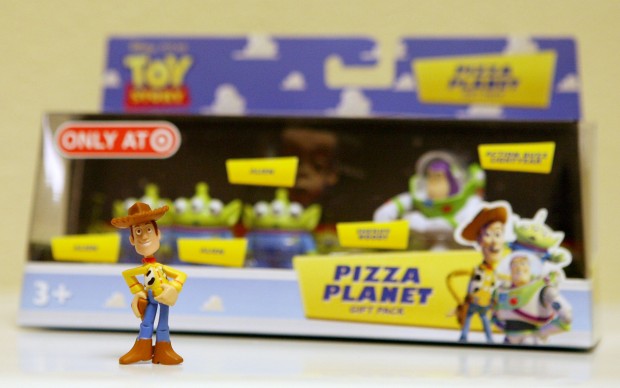
• Mattel's Pizza Planet Gift Pack featuring characters from the Disney movie "Toy Story" could present a choking hazard because one of the toys, a small "Woody" figurine, barely passed the choke cylinder test. The toy is labeled for children age 3 and older.
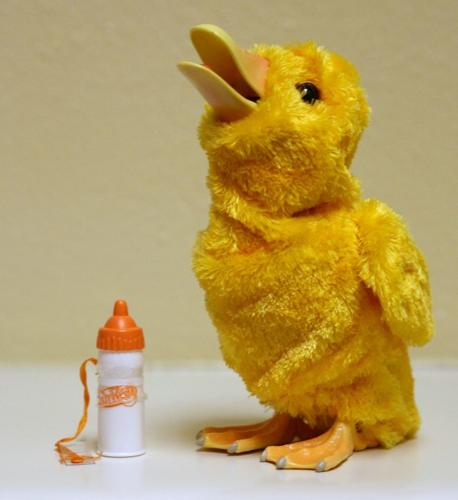
• Hasbro's Fur Real Baby Bird, a toy duck with a baby bottle, passed the small-parts test, but the bottle could be small enough for a child to choke on.
Loud toys
Some toys tested by PIRG exceeded the toy safety volume threshold of 85 decibels set by the American Society of Testing and Materials. The volume of a normal conversation usually measures about 60 decibels, while an alarm clock or busy street measures about 80 decibels, says the American Speech-Language-Hearing Association. Prolonged exposure to noise above 85 decibels can cause hearing damage, PIRG's toy safety survey says.
Basically, PIRG said, if a toy seems too loud for you, it's probably too loud for your child.
Examples:
• The roar of Playskool's Kota and Pals Stompers Triceratops measured 90 decibels from about 10 inches away.
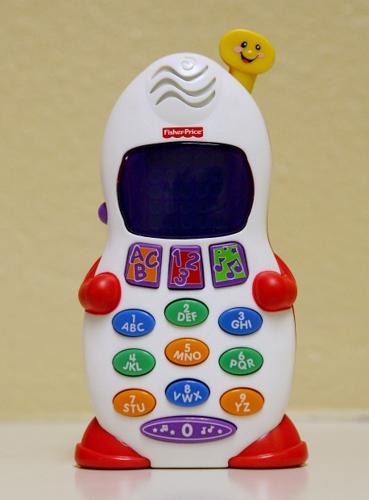
• Fisher Price's Laugh & Learn Learning Phone, which is intended to be held directly against a child's ear, measured 90 decibels from 4 inches.
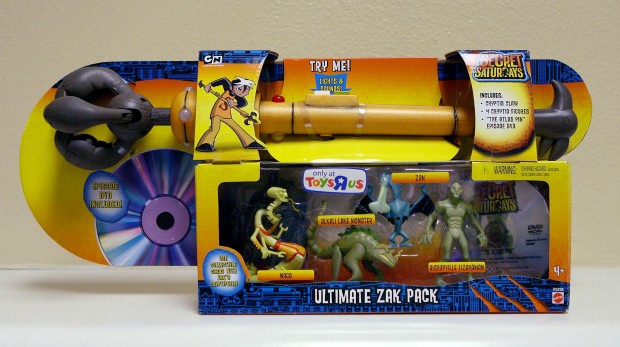
• Mattel's Secret Saturdays Cryptid Claw measured 88 decibels from about 10 inches away.
Toxic toys
Earlier this year, children's products containing more than 0.1 percent of phthalates, a potentially hazardous chemical sometimes found in soft plastics, were banned. Still, researchers for the 2009 toy survey found concentrates up to 7.2 percent in some children's products.
Lead levels were also restricted this year, but PIRG researchers still found toys laced with the toxic substance.
Examples:
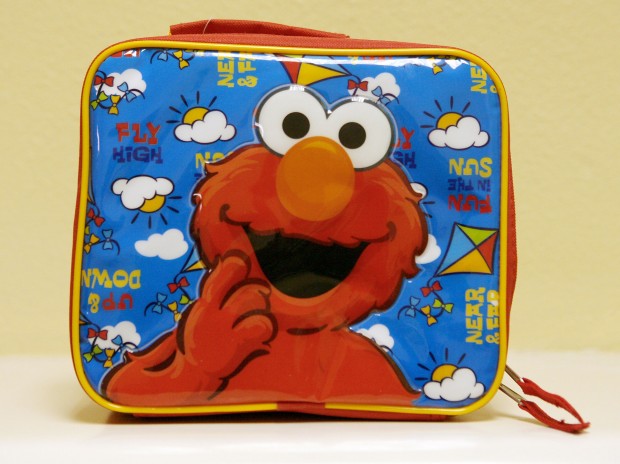
• Sassy's Elmo Lunch Bag had a 7.2 percent concentration of phthalates, lab tests showed.
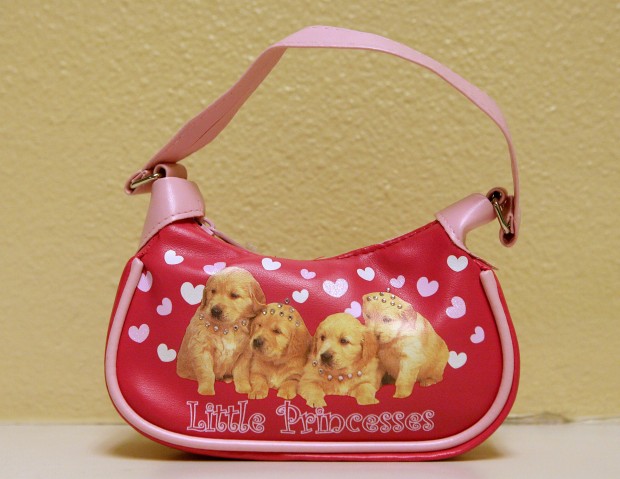
• Pretty Princess Puppy Purse, manufactured by Claire's Boutiques, had phthalate levels of 5.4 percent, the lab tests found.
• An alligator charm made by Claire's Cell Phone Charms was found to contain 71 percent lead by weight.