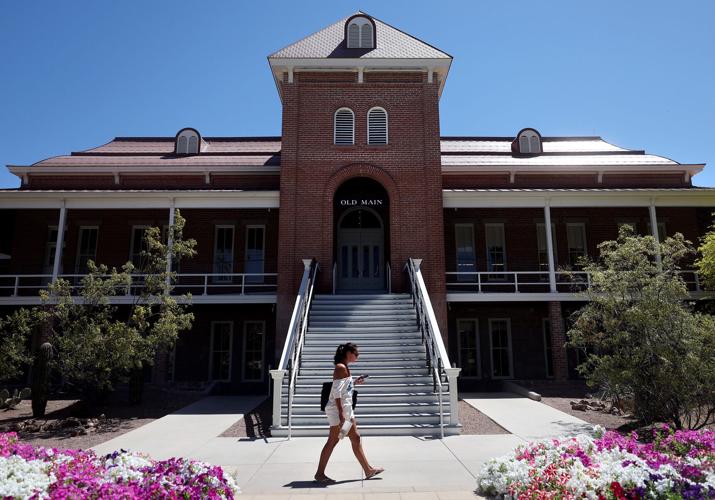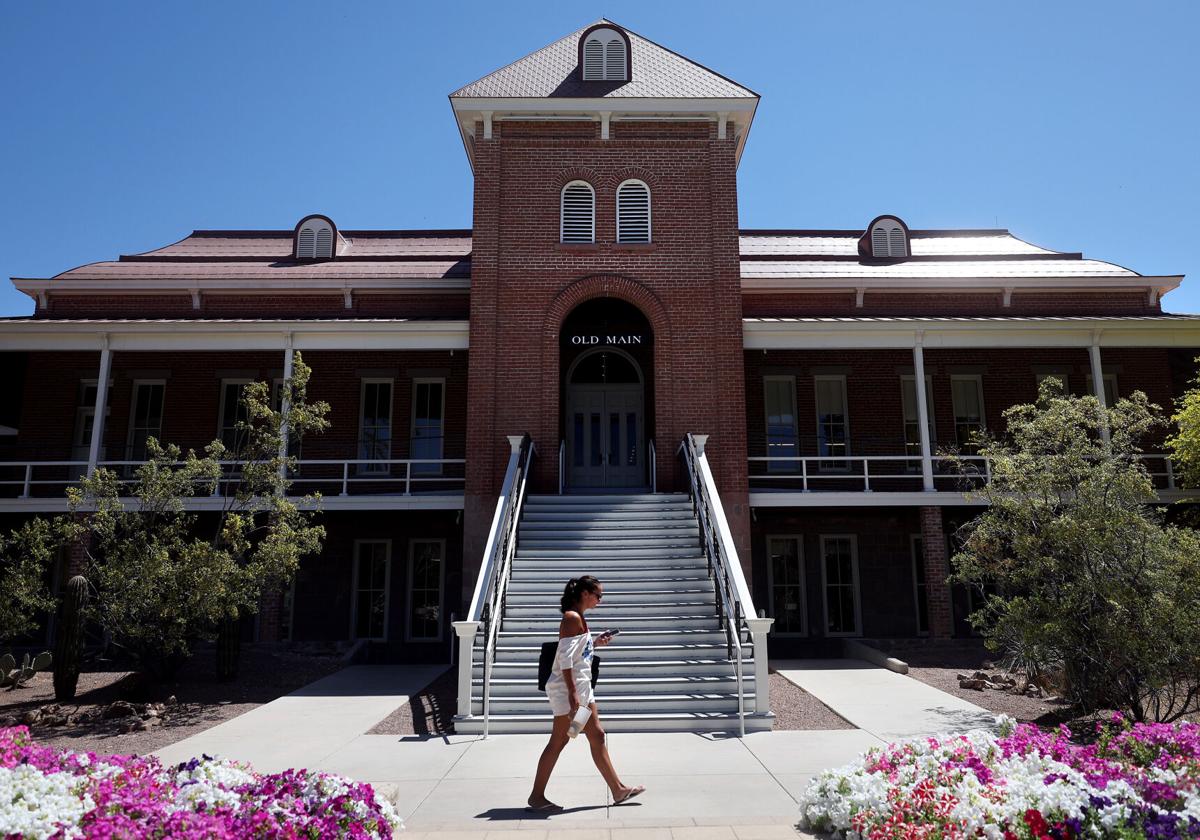
University of Arizona Health Sciences — which has housed the colleges of medicine in Tucson and Phoenix, and the colleges of nursing, pharmacy and public health — is being dismantled, and its various functions are being integrated into other parts of the larger university.
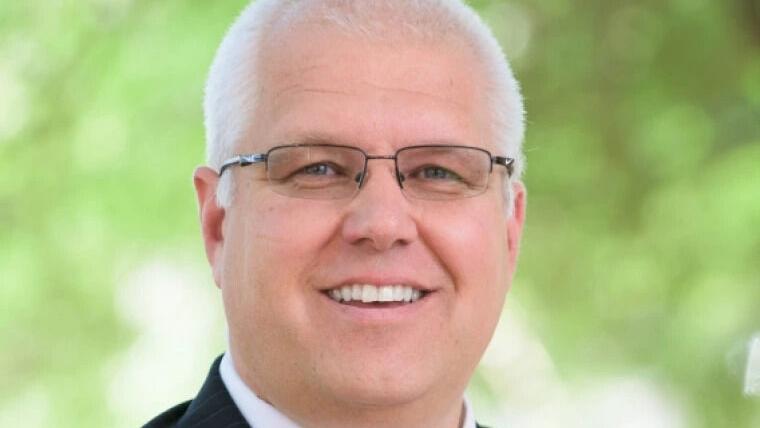
The colleges under UA Health Sciences and its administrative units will now be under the Office of the Provost, led by UA Provost Patricia Prelock.

UA Provost Patricia A. Prelock
The research centers under health sciences will be moved to report to the Office of Research and Partnerships, led by Tomás Díaz de la Rubia, UA’s senior vice president for research and partnerships.
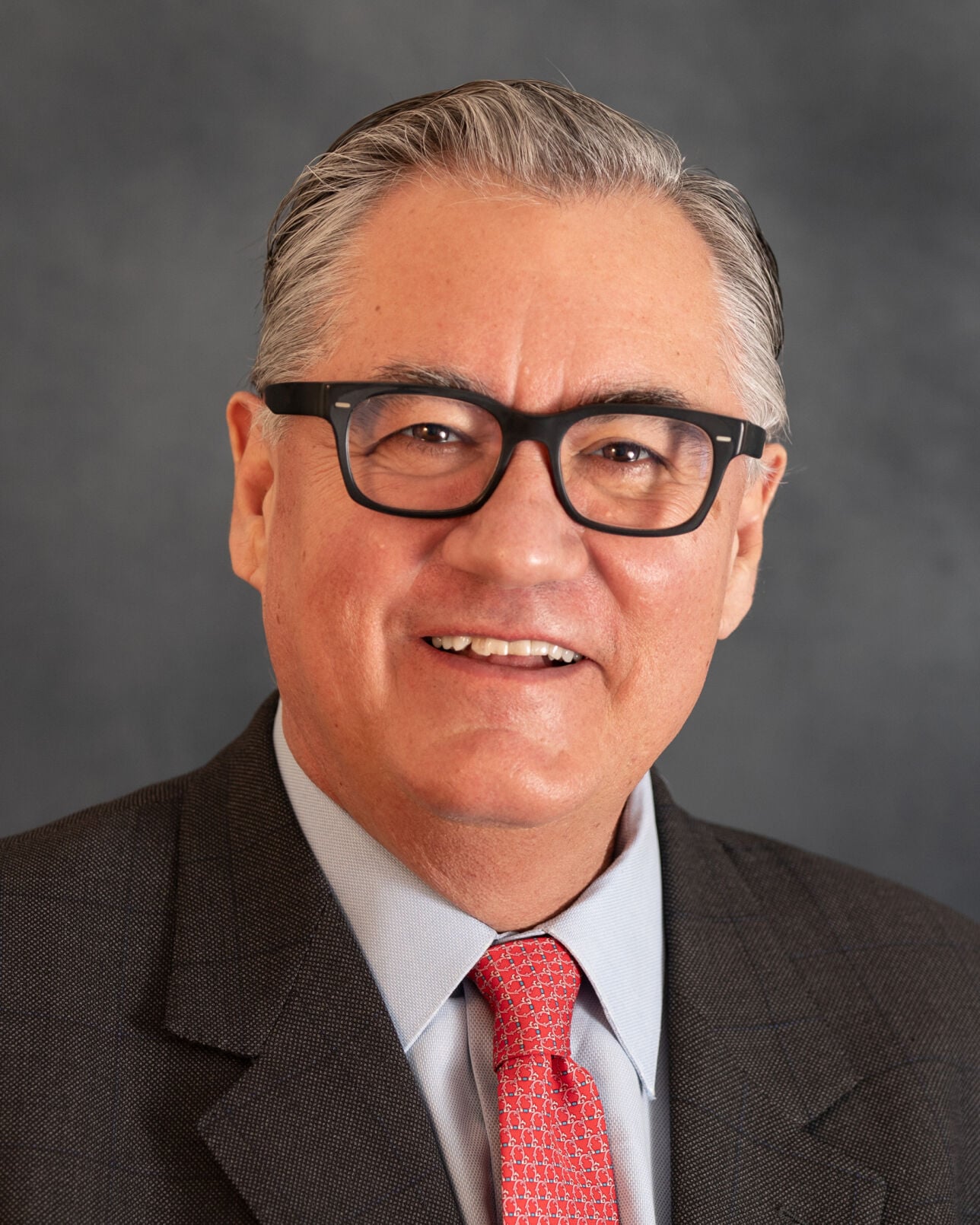
Tomás Díaz de la Rubia, UA senior vice president for research and partnerships.
In an announcement Tuesday morning, Prelock and Díaz de la Rubia said there are a few health sciences functions, activities and programs that are yet to be integrated into the larger UA structure, and that functions “no longer needed will be discontinued effective Aug. 7.”
People are also reading…
The UA officials did not say how many jobs will be cut; two sources, who are among those losing their jobs, said they were told 28 employees are being laid off as of Aug. 7.
Prelock and Díaz de la Rubia said the university will provide a “transitional period” for employees who will be let go, “during which they will remain in active employment and have access to human resources support services.”
“HR will work directly with them to navigate this process, including providing guidance on benefits and retirement, as well as assistance identifying new opportunities within the university,” said Prelock and Díaz de la Rubia in the Tuesday announcement.
“Health is as central to our mission as it has ever been. This commitment goes far beyond our five health sciences colleges. It lives in the students we train, the discoveries we make, and every community we serve across Arizona," they wrote.
According to one of the people who was given a 60-day notice that they will be laid off, who requested anonymity, the employees losing their jobs worked in different departments within health sciences — finance, administration, communications, BioCommunications (a multimedia organization that provided media services to health sciences and UA overall for the last 40 years), and events.
Two employees affected said the entire BioCommunications and events teams were being let go, but that the student workers on the events team were being kept on.
One said BioCommunications does everything from producing videos of graphics to archival photography. Another employee being laid off said the services provided by BioCommunications to the rest of the health sciences and UA departments will now have to be handled through outside vendors, and estimated this will increase the cost for departments by two to five times.
UA spokesperson Mitch Zak said Tuesday: “The university made the difficult decision to eliminate a number of positions, effective Aug. 7. University officials met with the leaders of each unit, as well as the affected employees, prior to today’s announcement. We recognize the dedication of these employees and the meaningful work they have done in support of health sciences. Human Resources is working closely to support affected employees and help them navigate the many employment opportunities across the university, including current openings and additional positions that will be posted in the coming weeks.”
Zak did not say how many jobs were eliminated.
Prelock and Díaz de la Rubia said this restructuring process started a year ago “to streamline the administrative structure and create a more cohesive organization in support of our mission.”
Zak had said earlier this spring that the university planned administrative reductions in the Office of Research and Partnerships and UA’s health sciences in the fiscal year 2026 budget. These reductions, he said, reflected “internal reallocations and organizational realignments, not federal or state research funding cuts.”
In the UA's general operating budget for FY26, which runs through June 30 this year, the health sciences center and divisions had a budget of $48.6 million after an 18% cut from the previous year.
UA Chair of the Faculty Leila Hudson, who serves as the head of Faculty Senate, said faculty leaders heard about these changes Tuesday morning. She declined to meet with UA administrators Tuesday afternoon, when called in for a meeting, after hearing about the health sciences layoffs.
She wrote in an email to Prelock and Díaz de la Rubia that she and Vice Chair of the Faculty Senate Mona Hymel “need to consult with the faculty generally about the implications and cost and risks of this unilateral and multipronged reorganization plan before meeting with you.”
“Your centralization plan was announced in the summer without any consultation with faculty governance and in that alone violates the reorganization rules,” Hudson wrote.
Changes to programs, research centers
All health education and professional programs, which are spread across numerous UA colleges and disciplines, will be centralized under the provost’s office for easier oversight, coordination and collaboration, the UA said. The Indigenous health programs, however, will be under Levi Esquerra, who is special advisor to the provost for Native American affairs.
This restructuring has also created a new position: executive director of health operations, reporting to the provost. Melissa Colchado, who was the assistant vice president or chief of staff of strategic initiatives or planning with health sciences, will take on this role starting July 13 for the annual compensation of $188,673.
Specific programs and units such as the Interprofessional Clinical and Professional Skills Center, the Center for Transformative Interprofessional Healthcare, the Arizona Area Health Education Centers, the Arizona Simulation Technology and Education Center, and the Office of Student Engagement and Career Advancement will report to Colchado.
Jennifer Barton, who worked as the interim vice provost for health programs, will no longer be in this position and will go back to her faculty position as the Thomas R. Brown Distinguished Chair of Biomedical Engineering.
UA’s health sciences unit previously was led by Michael Dake, who was senior vice president for the unit, hired by former UA President Robert C. Robbins, his longtime friend. UA President Suresh Garimella, who started at the UA in October 2024, announced in April last year that Dake was dismissed from that position after seven years, and that the nearly $1 million-a-year post was being eliminated.
Dake continues to be on the payroll for $450,000 annually in the position of a radiology and imaging science professor, according to Arizona Luminaria’s UA salary database.
“The complete integration of health sciences activities into university operations allows us to align resources, reduce administrative redundancy and build a leaner structure that reflects our commitment to fiscal responsibility,” Prelock and Díaz de la Rubia wrote.
Health Sciences Scheduling, a unit that manages and administers Astra Schedule, the core scheduling software used to manage curriculum, administrative meetings and special events with health sciences, will move to be under the UA Office of the Registrar. The Office of the Registrar is the central administrative unit that maintains students’ official academic records.
Interprofessional K-12 Initiatives and the All of Us Research Program will move under the College of Medicine — Tucson, and the Center for Diabetes, Obesity and Metabolism will be a collaborative effort moving forward between the Tucson and Phoenix colleges of medicine.
The Clinical Placements and Partnerships will move to be under the School of Health Professions in the Mel & Enid Zuckerman College of Public Health.
In terms of changes to research centers under health sciences, the Clinical and Translational Science Institute and the Arizona Center for Accelerated Biomedical Innovation will join UA’s Office of Research and Partnerships.
"As the state’s comprehensive academic health enterprise, the university is prioritizing health as an area of focus and growth across the institution," Prelock and Díaz de la Rubia wrote in Tuesday's announcement.
Reporter Prerana Sannappanavar covers higher education for the Arizona Daily Star and Tucson.com. Contact her at psannappa1@tucson.com or DM her on Twitter.

Prerana Sannappanavar
Higher Education Reporter


 Proposed U of A email policy will increase surveillance, faculty say