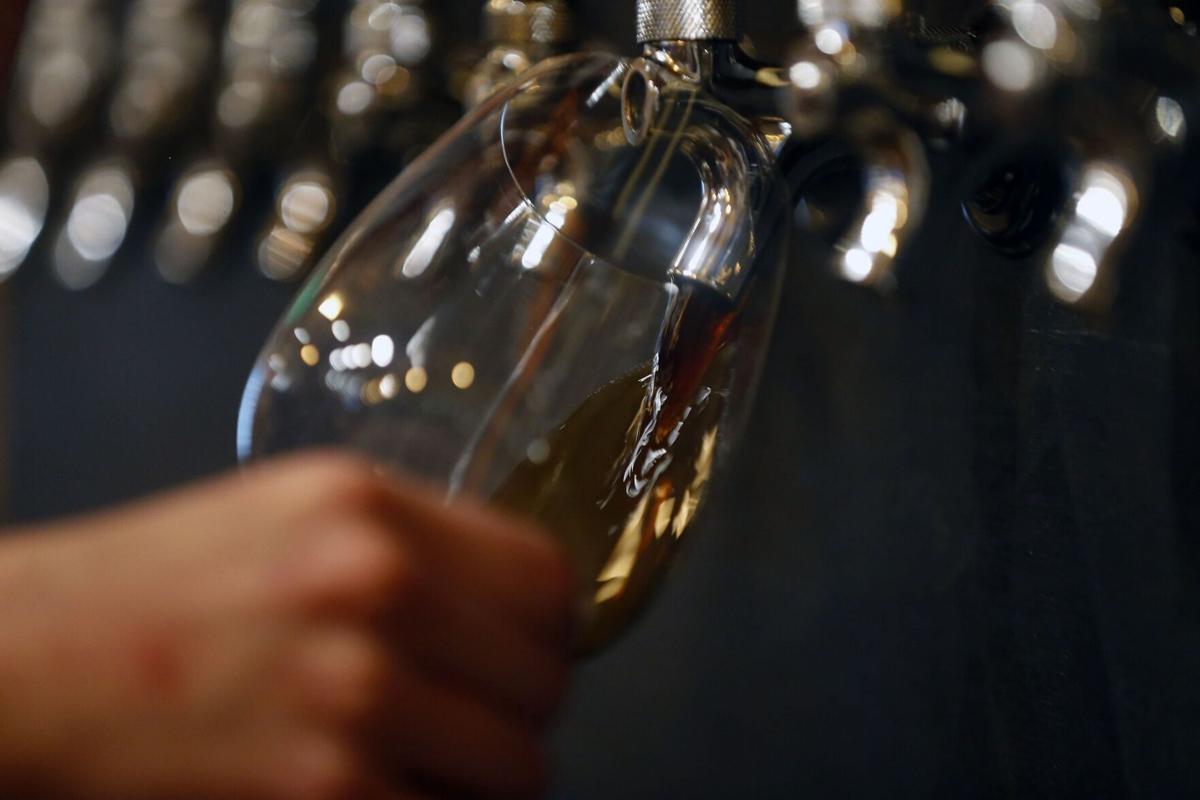
Many of those basking in today’s craft brewery era were not around for the 1992 broadcast of the iconic episode of “Cheers,” in which bar regular Norm Peterson parlays a beer survey into a temporary job at a brewery.
He agrees to work for free.
I was working as a reporter in Syracuse back then and watched Norm in envy.
It was still a time when most taverns across the country offered limited draft beer styles from as few as four to eight taps. It was still four years before I would drag my wife and two young daughters on the way home from a Virginia vacation to the new Brewery Ommegang outside Cooperstown.
A lot has changed since, including two opportunities that have come my way that Norm would have relished: the chance to write beer stories during the last several years, and helping to judge the recent New York State Craft Beer Competition.
People are also reading…
“We can be accused of being biased but we think that New York State breweries are making some of the best beer in the country, if not the world,” said Paul Leone, executive director of the New York State Brewers Association, which hosted its fifth annual competition June 12-13 at the RIT Inn and Conference Center in Rochester.
It came with a big assist from the Rochester-based Raise a Glass Foundation and its volunteers, who distributed 1,143 beers from 182 breweries to the judges.
The association bestowed 87 medals and three special awards it revealed July 15 during a ceremony at Big aLICe's Brewery and Taproom in Geneva streamed live online.

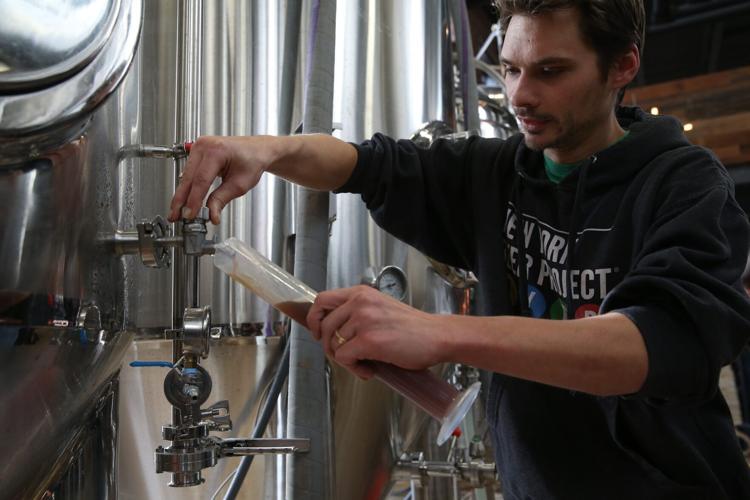
Lead brewer Jason Crossett and the New York Beer Project won a medal for Chevy to the Levee, a barrel-aged non-sour beer.
When all was said and done, Eli Fish Brewing Co. of Batavia won the best beer in the state, Heavy Maple, brewed with maple sap instead of water, and maple syrup.
Local breweries landed 11 medals, and had their most success to date, in what has become the largest single-state craft beer competition in the United States.
“The Western New York beer scene has grown a lot over the last five years, not just in total number of breweries, but in reputation and with quality of the beer,” Leone said.
Before the celebration came the nerves – and I can only speak for myself. I was a rookie judge for this contest. Despite my love of beer, I had surrendered my home-brewing hobby more than a decade ago because of a busy work life and the growing understanding that the climbing number of brewers were far more focused and accomplished when it came to making craft beer.
My approach since? Go to a brewery. Ask the server to recommend the best beers brewed in-house. Pick two or three, along with one or two others that appeal to me, and order a flight.
I hoped that approach would prepare me when I agreed to help judge the competition. I also relied on three decades of tasting beer and wine with dozens of brewers and winery owners across New York, Southern Ontario and beyond – and the instincts of a veteran reporter who understands that no matter how much you think you know about any given subject, there is always more to learn.
I was among judges who arranged to stay overnight at the conference center – remembering another TV sitcom I’d seen in my younger days: Richie Cunningham getting hammered on “Happy Days” after drinking “72 teeny weeny glasses” of beer.

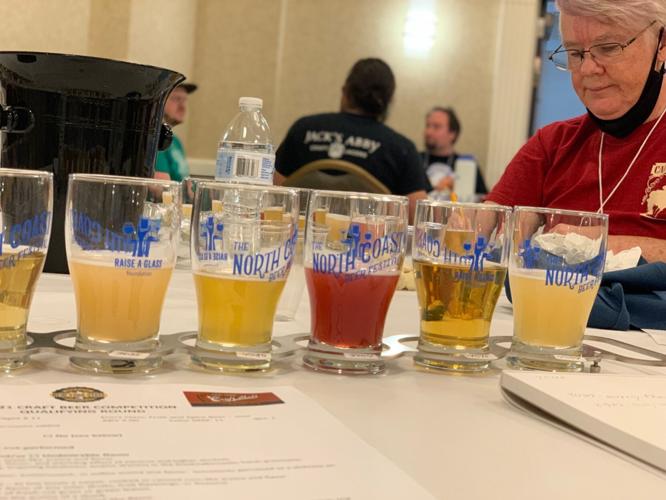
Flights of beer judged during the 2021 New York State Craft Beer Competition were served in half-full, 5-ounce tasting glasses and identified only by number. The cans, bottles and crowlers they arrived in were kept out of sight from the judges, including Sue Brown.
The list of 44 judges included top brewers, brewery owners and pioneer craft-beer purveyors, hop growers, malt-makers and fellow writers from across the state.
Blind tasting avoids favoritism
Instructions and guidelines for judging the contest ran 16 pages, focusing on structure, table etiquette and procedures, and descriptions of all 27 beer styles scheduled for tasting.
This wasn’t going to be like walking into a brewery taproom on a Saturday to enjoy a flight or two of beer.
The edginess calmed as I sat down at one of 13 tables with two judging mates, Jesse Perlmutter and Sue Brown. Perlmutter, the owner of Pantomime Mixtures brewing outside Watkins Glen and the seasoned craftsman among us, was table leader. He distributed our tasting sheets and all three of us sampled up to nine half-full, 5-ounce glasses of beer brewed in a particular style per flight. Brown, like me, is a longtime beer enthusiast from Buffalo.
Our charge: pick no more than two beers from each flight to move toward the medal qualifying rounds, which would be judged on the second day.
Each beer was numbered when it arrived at the tables, so this was a blind tasting designed to strain out favoritism. The room where the beer was poured was locked down to prevent judges from seeing can, bottle and crowler labels.
Judges were ordered to refrain from speculating with others about which brewery any beer was brewed. Most categories were quite specific, and included two dozen or more entries, so that kind of speculation was educated at best.
“This is pretty typical on how a beer competition is run,” Leone said. “We consulted with the Brewers Association in Colorado, which runs the great American Beer Festival, the premier beer competition in the United States.”
Cellphones were prohibited during judging, as well as wearing cologne or perfume, or smoking or vaping throughout the judging hours.
Judges were asked to sample each beer and consider them first, then reach consensus on the top two from each flight. The process could take no more than 20 minutes. The first half of that time was intensely quiet, more like a prayer service than a drinking experience.
Perlmutter, Brown and I sniffed, tasted, swirled, sniffed and tasted each sample, then placed our two or three favorites on the table in front of our flight holders.
All of us consistently singled out at least one beer in common during every round. In many cases, at least two of us preferred the same pair. Three or four beers often became contenders.
We were charged to reward beers that were harmonious and dynamic, leaving aside those with even the lowest levels of oxidation, off-putting acidity or unpleasant bitterness.
Perlmutter could articulate what we were experiencing with more precise explanations about ingredients and character. I sprinkled more imagery into the discussion and tasting notes, writing that I could envision drinking one of my favorites partly reclined in a summer field, sunglasses down.
I enjoyed most of the beer I tasted, though have learned to discern most of what I enjoy within two to four sips. That is all I and others tried of most beers, unless there was debate – or I found the beer exceptional.
I finished only two half glasses, one infused with Gewurztraminer grapes, another rich with maple flavor.
My table went through flights for roughly half the categories. Two snack breaks and lunch punctuated four rounds. Those who drank higher-alcohol entries, including the barrel-aged and strong-ale categories, were served fewer flights.
I probably consumed the equivalent of three to four pints throughout judging, which ran from 9:15 a.m. to 4:30 p.m., and felt a sense of accomplishment afterward for volunteering to support an industry I have grown to cherish.
There also was a great sense of relief – including weeks later, when I learned how well beers performed from the region where I live and work.
My first-time anxieties were understandable, Leone said.
“It was nerve-racking, because you took it very seriously,” he said. “That's why you were asked to do it.”

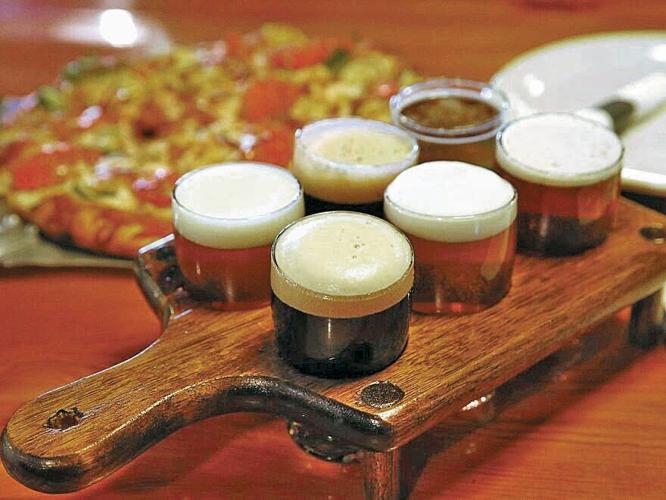
Scott Scanlon, a beer writer with The Buffalo News, typically orders flights when visiting craft breweries with friends across the region, state and beyond. This flight is from Woodcock Brothers Brewery in Wilson, which won two medals in the recent New York State Craft Beer Competition.
Grimm Artisanal Ales, Brooklyn: Won eight medals, swept the fruit and spice sour category, and won the award as best brewery in New York State.
Western New York winners
Eli Fish, Batavia
Heavy Maple: Won the Excelsior Governor’s Craft Beer Cup for best of show, as well as gold in the fruit and spice non-sour category and best beer of show.
Pillow Talk (gin barrel mixed fermentation): Silver in barrel-aged sour category.
Tiga Queen: Gold in the experimental beer category; tied for gold as Best New York State Beer with Secatogue Brewing Co. of Long Island’s Gailer Kolsch. At least 60% of hops and other ingredients in this category must come from New York State.
New York Beer Project, Lockport
Chevy to the Levee: Bronze in barrel-aged non-sour category.
Pressure Drop, Larkinville
Sticky Trees: Silver in the American IPA category.
Rusty Nickel, West Seneca
Chi Tea Milk Stout: Bronze in the fruit and spice non-sour category.
Live Edge Irish Red: Bronze in the amber ale category.
Thin Man, Buffalo
Bourbon Barrel Aged Jenkins: Bronze in the barrel-aged non-sour category (tied NYBP Chevy to the Levee).
Laggerkoller: Bronze in the Imperial Stout and Porter category.
Woodcock Brothers, Wilson
Skydancer: Silver in the IPA variation.
Limited Series Honey Brown Ale: Silver in the brown ale category.