

Three feature films from local Hispanic filmmakers highlight the Cine Chicano Film Festival, which started Wednesday and continues through Sunday.
Friday: The Northern California gangland documentary "Nuestra Familia, Our Family," from Oriana Zill de Granados, Julia Reynolds and Arizona Daily Star reporter George B. Sánchez. The film explores the spread of Latino gangs in Northern California, the effect on members' families and the efforts to stem the tide.
Saturday: "Runnin' at Midnite," a 2001 basketball drama by director Pablo Toledo about Tucson street toughs who seek refuge in midnight basketball leagues created to keep troublemakers off the streets.
Sunday: The rollicking comedy "Pancho Goes to College" from director Ruben Reyes. The film has been accepted at numerous festivals around the country, as well as one in Mexico, and won best feature at the East Los Angeles Chicano Film Festival in November.
People are also reading…
These filmmakers, along with casts and crews, are expected to be on hand for most if not all screenings.
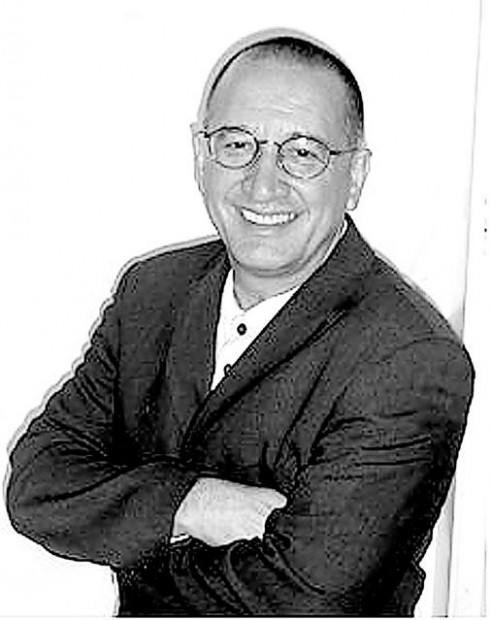
The festival's master of ceremonies is Raul E. Aguirre, president of ad firm REA Communications, which he founded 15 years ago. His short film "Cañon Mariposa" (1993) — a music-set drama — was based on the 1992 shooting death of Dario Miranda Valenzuela on the border near Nogales. U.S. Border Patrol agent Michael A. Elmer was charged with murder and later acquitted. It screens Friday night.
Aguirre, 52, grew up in Tucson and attended Pueblo High School and the University of Arizona. He hosted the Univision show "Hola America" in the early 1990s and dabbles in filmmaking. Aguirre spoke to Caliente via telephone.
What was it like to host "Hola America?"
"I kept a house in Tucson and commuted to Miami and Los Angeles. Before that, I was a broadcaster. I was one of the founders of the first bilingual radio station movement in the country. It became known as the 'Hispanic Urban' format — we started that in 1976.
"That's kind of how I started doing creative videos and getting involved with filmmakers, like Edward James Olmos, who we brought to Tucson 20 years ago, before he got big."
What role do you see Hispanics playing in the modern entertainment industry?
"Chicanos tell their stories with the Latino view on Hollywood. We've gotta create a new vein of storytelling. Because of the Tinseltown demands, like money, and the view that 'Well, Latinos don't support this and that.' I frankly think we support a lot of mainstream . . . stars in films and now have to come into our own to be able to tell stories in a language people relate to.
"I'm a firm believer in bilingualism, Spanglish, all this. It's a cultural movement created by people of Mexican heritage, Latino heritage. It's coming into a new place, I think, getting into the mainstream, where people are beginning to know people who are like that, and that's cool. In the past it was more separated."
What are you trying to say with your film?
"We wanted to pass along the duress and gravity of the border and how people get killed, and how people get exonerated and how sometimes there are two different justice systems working when it comes to undocumented people. Dario Miranda (Valenzuela) was shot in the back when he was already on the Mexican side, but he was brought back to the American side and thrown under a mesquite tree."
What is your role with the festival?
"I was asked to host it, to help with it. I'm going to be playing my little video that after all these years is still very fresh, with what's happening still right now. The main thing with the festival is to try to focus on Latino filmmakers doing creative stuff on film or video, to promote new stories and give people the opportunities to tell some of the stories."
If you're involved in filmmaking and would like to be featured in a Q&A, write to pvillarreal@azstarnet.com.
If you go
Cine Chicano Film Festival
• When: Through Sunday.
• Schedule: 7:30 p.m. Friday, "Nuestra Familia, Our Family" followed by three short films. 7:30 p.m. Saturday, "Runnin' at Midnite," followed by short film. 3 p.m. Sunday, "Pancho Goes to College."
• Location: The Screening Room, 127 E. Congress St.
• Admission: $6 per screening.


