

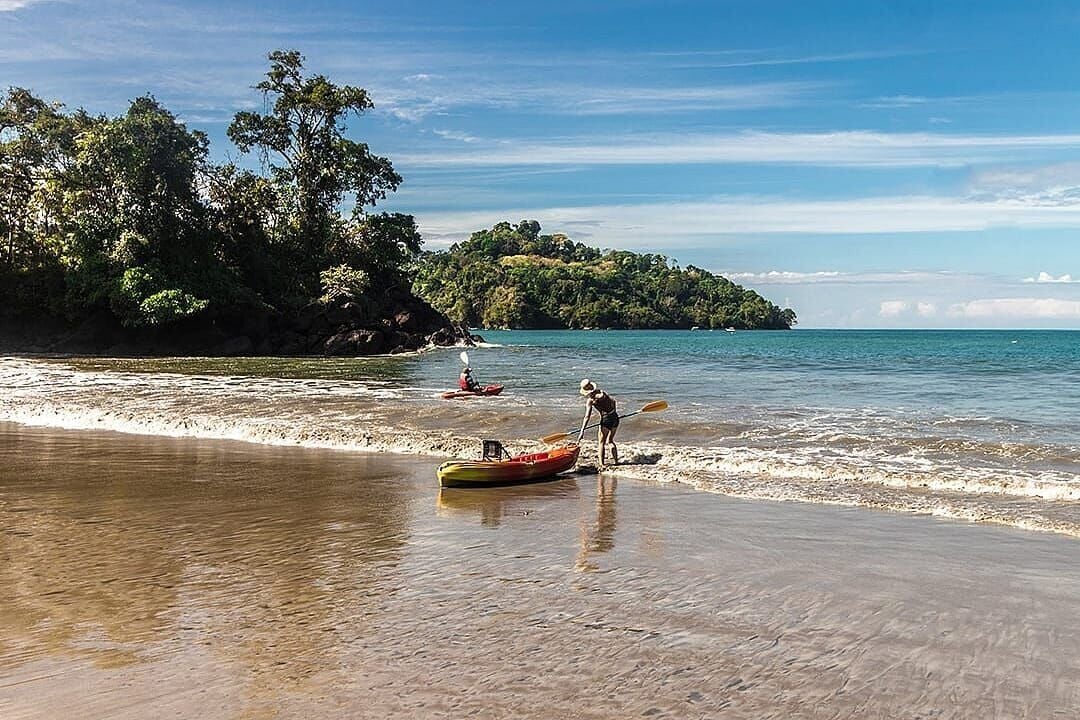

Costa Rica is slightly smaller than West Virginia, yet it packs in volcanoes, rainforest, rivers, lakes, and two coastlines. It is also one of the most welcoming places on the map, which helps explain why it keeps landing on active travelers’ bucket lists. The country’s tourism board promotes its adventure offerings as a major draw, from treelined ziplining to volcano-viewing hikes to whitewater rafting.
For travelers who want to experience this country at an active pace, EF Adventures shares five reasons Costa Rica deserves a spot on your adventure travel “must book” list.
People are also reading…
1. Volcanoes, rainforest, and seacoast in one trip
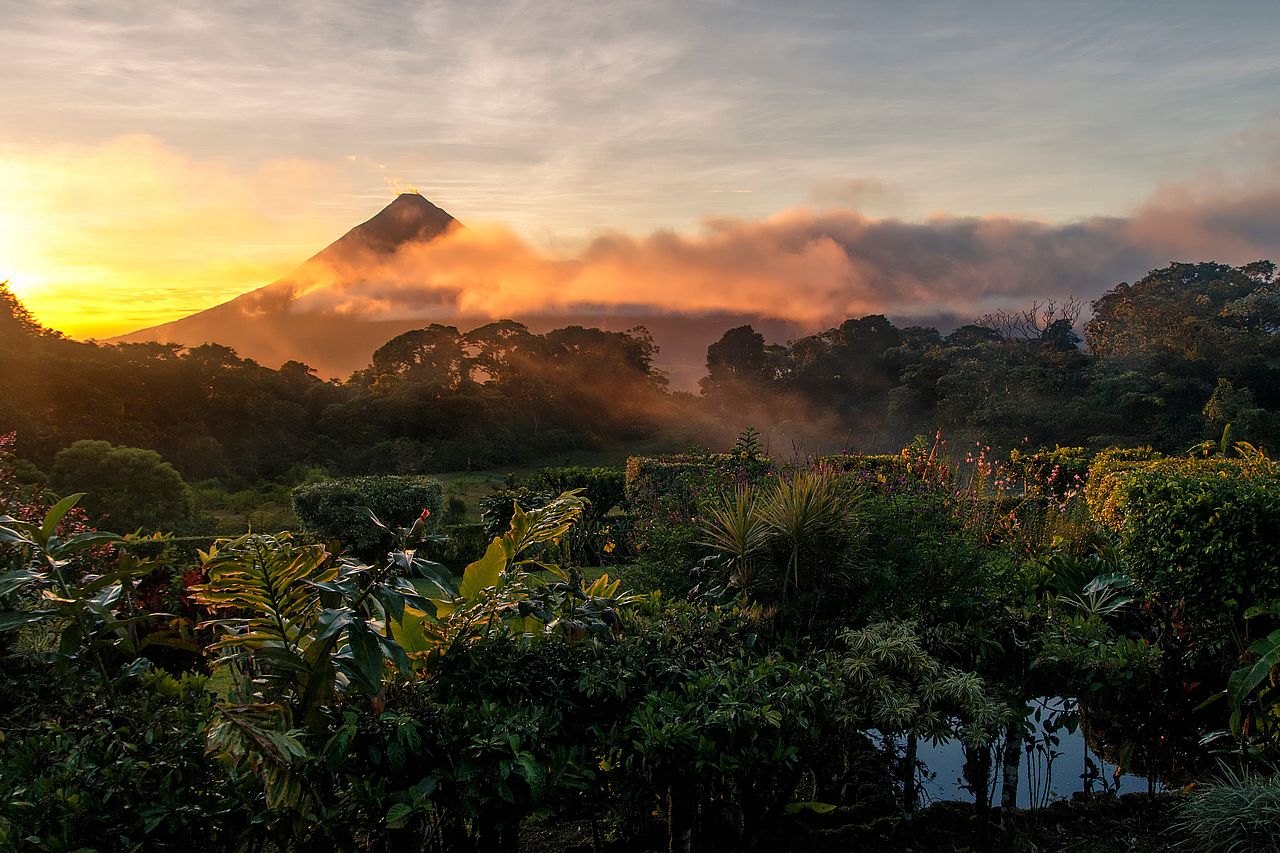
Few destinations pack in this much variety. From the capital, San José, which sits in a mountain-ringed valley at about 4,000 feet, both coastlines are roughly three hours away, and several of the country’s active volcanoes are close by.
A tour can begin in the coffee country of the Poás region, then head to Arenal, where a classic cone-shaped volcano rises beside the country’s largest lake. Travelers can continue to the turquoise rivers of Tenorio Volcano National Park and the wilder terrain of Rincón de la Vieja before finishing on the sunny Papagayo coast.
The scenery never repeats itself. “Every volcano we visit is so different,” says Guillermo Ayub, a San José native and EF Adventures tour director.
2. Rapids, paddles, and ziplines replace long bus rides
Here’s an itinerary for travelers who love the outdoors. In the Arenal area, adventurers can zipline across 12 cables above the rainforest canopy, with the volcano, Cerro Chato, and La Fortuna Waterfall as a backdrop. Take a mountain bike ride for nearly 15 miles around Lake Arenal, then paddle across its calm surface by kayak or stand-up paddleboard.
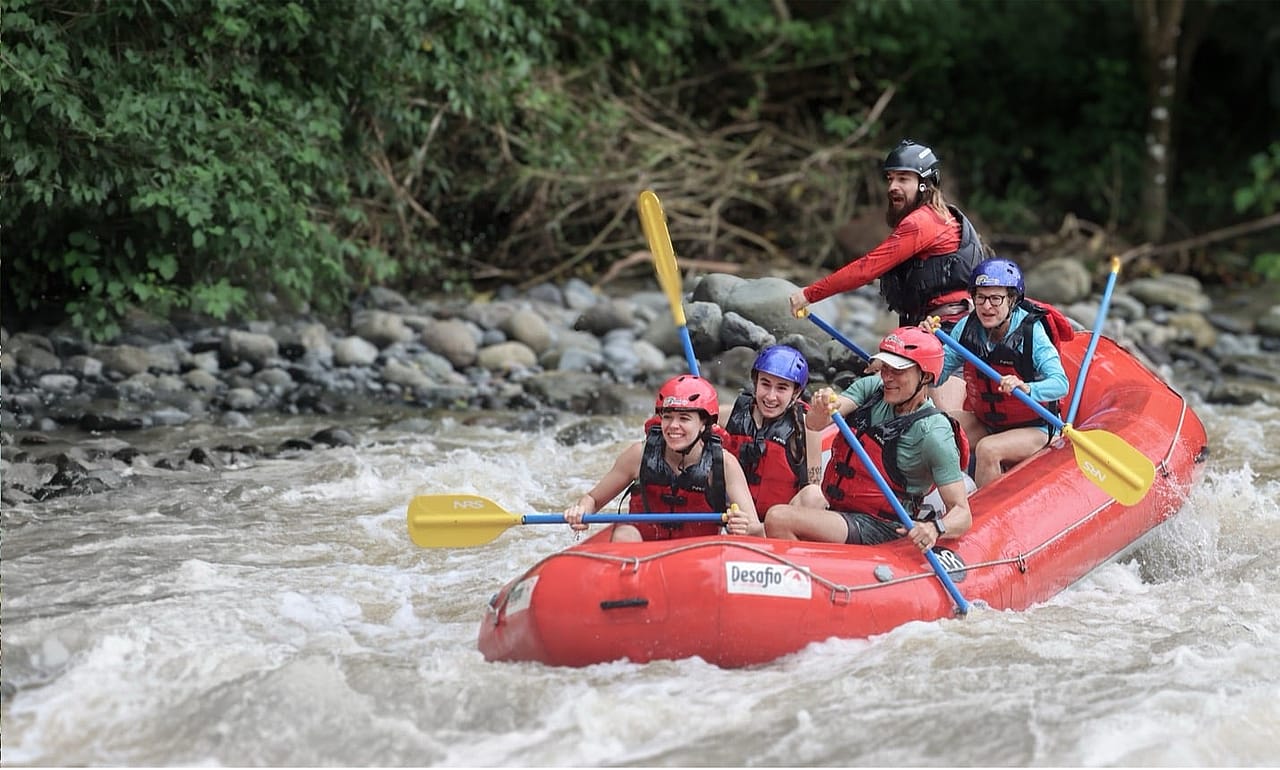
For more adrenaline, whitewater rafting on the Rio La Balsa delivers 25 Class II and III rapids, and river tubing on the Rio Negro adds more time on the water. At Rincón de la Vieja, a zipline drops into a river canyon, a very different experience from the Arenal lines.
Continue on to the Pacific side with a catamaran cruise along the Papagayo coast. Passengers can watch for dolphins and sea turtles, and, depending on the season, humpback whales. On a day boat charter, snorkel in clear waters while the crew prepares lunch onboard..
3. Hikes through some of the world’s richest wildlife habitats
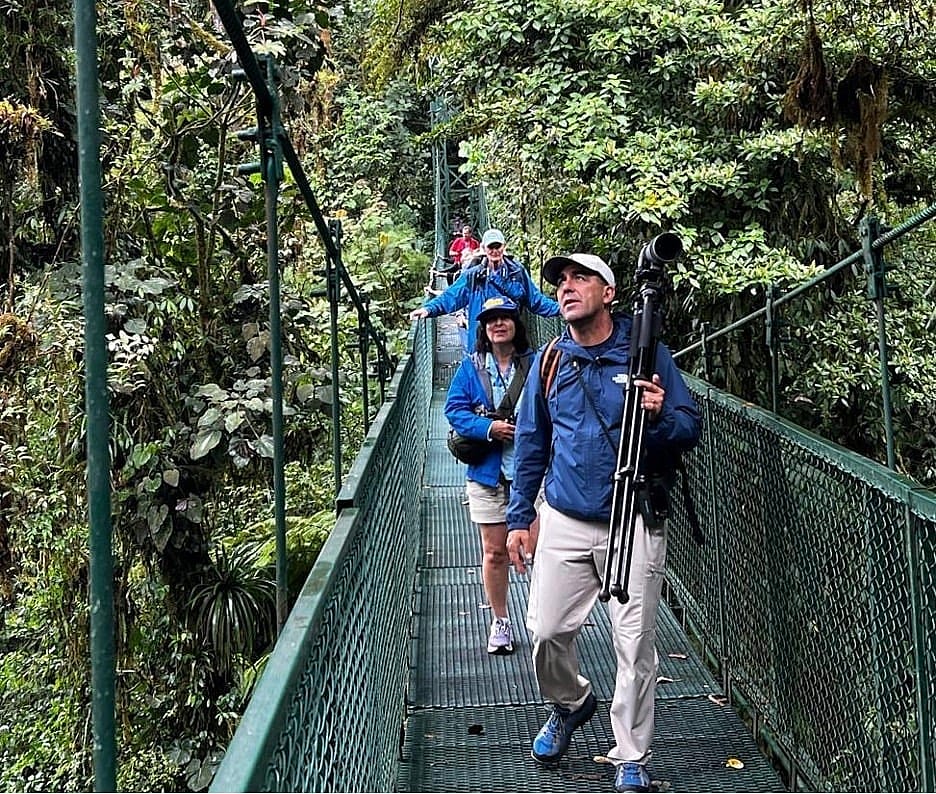
Costa Rica’s biodiversity is staggering. More than 890 bird species have been recorded in the country, nearly as many as in the entire United States, and the trails offer plenty of chances to spot wildlife.
In Rincón de la Vieja National Park, hikers can walk from tropical dry forest into rainforest, where they may encounter bubbling mud pits, troops of spider, howler, and white-faced monkeys, toucans, and macaws. A longer hike reaches the 131-foot Cangreja Waterfall, with a steaming volcanic crater behind and the coast far below.
At Tenorio Volcano National Park, the trail follows the Rio Celeste, a mineral-rich river that turns a striking blue where two volcanic streams converge. Hikers then descend 253 steps to a waterfall viewpoint.
Local guides are available, and they add context along the way, explaining the plants, birds, microclimates, and volcanoes along each route so that a hike becomes a lesson in how the landscape works.
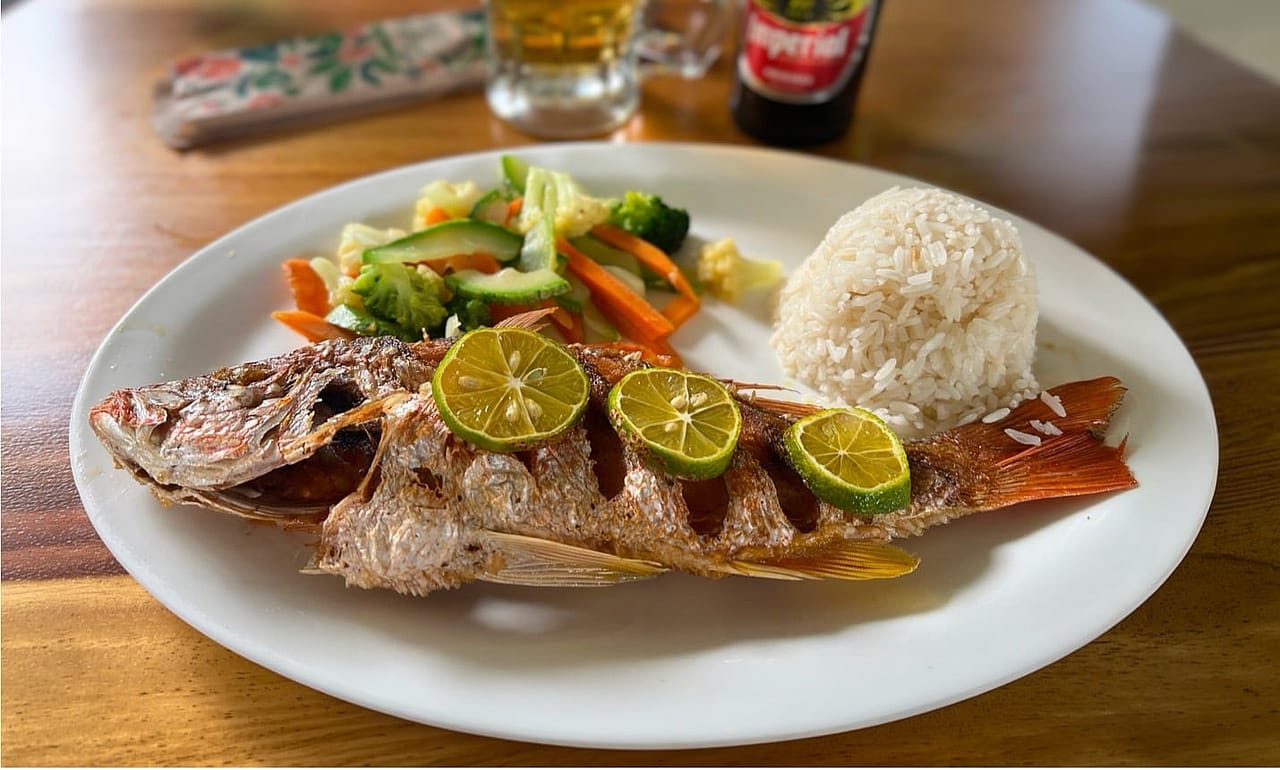
4. Coffee, seafood, and culture you can taste and touch
Explore a working coffee farm in the mountains near Poás, where beans grow at 5,000 feet or higher. Learn how the beans go from plant to cup and taste a coffee widely regarded as among the world’s best.
Meals reflect the country’s regional cooking, from rice, beans, and traditional home-style dishes to coconut-spiced Caribbean flavors, with farm-to-table dinners and traditional lunches along the way. Seafood is the standout. “If you’re a seafood person, you’re in heaven when you’re here,” Ayub says.
Cultural encounters will enhance your itinerary. In the Arenal region, travelers can meet members of the Maleku community, hear about their traditions and heritage, and shop for handmade goods. In the artisan village of Guaitil, visitors can try pottery in a traditional workshop, as well as explore Santa Cruz and the Nicoya Peninsula, one of the world’s five “Blue Zones.”
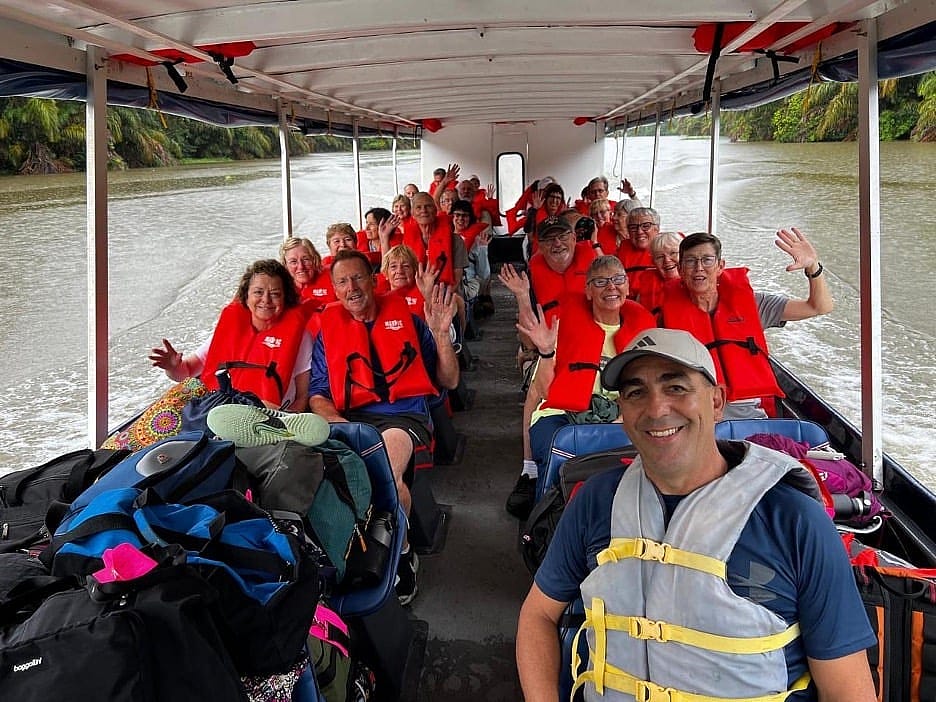
5. A warm welcome that lives up to “pura vida”
Costa Rica has no military and has long been called the “Switzerland of Central America,” a reputation that helps travelers feel at ease from the moment they land. “As soon as people get off their plane and walk out of the airport, they feel that safe,” Ayub says.
The hospitality is just as memorable. Visitors will see “pura vida” on T-shirts, hats, and souvenirs nationwide, but for Costa Ricans it is a way of saying that life is good. “You’re not just a tourist, you’re not just a visitor, you’re part of the family,” Ayub says.
This story was produced by EF Adventures and reviewed and distributed by Stacker.


