


It’s the stuff of nightmares — lumpy, clumpy, scorched gravy on the most meaningful culinary day of the year.
Visions of gravy disasters are enough to make some cooks turn to the bottle or the powdery pouch of flavor granules when preparing this savory Thanksgiving tradition.
Don’t fear the gravy, say local chefs willing to share their saucy secrets.
“Gravy takes a little bit of patience,” says Bruce Yim, executive chef at Hacienda del Sol Guest Ranch Resort. “It does take some time, but the technique is relatively easy.”
Yim said every great gravy starts with a good stock. While one can make do with store-bought stock, “homemade is 1,000 times better.”
To make stock, Yim debones a cooked turkey, chops the bones and roasts them slowly with vegetables. He covers the bones and roasted veggies with water in a large stock pot and simmers them for four to five hours, adding aromatics that might include garlic, roasted chiles and other spices. He skims the fat and strains the stock to make it clear.
People are also reading…
“You can make it in advance and freeze it or refrigerate it up to four days,” Yim said. “You can get a head start on those sorts of things.”
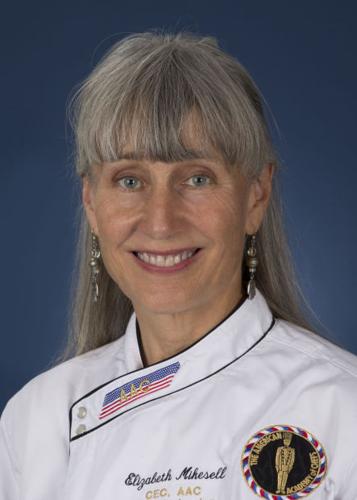
When making her stock, Elizabeth Mikesell, Pima Community College chef instructor and certified executive chef, uses a sachet d’epices — a cheesecloth bag tied together with butcher’s twine and filled with a bay leaf, garlic, cloves, parsley, fresh thyme and black peppercorns. (See recipe.)
“Making a good stock and gravy is not as scary as people think,” said Mikesell, who is creating a traditional Thanksgiving meal with her students at Pima’s Desert Vista campus this week.
“Most people seem to get a packet out or heat up a can because gravy seems so scary, but you just have to take it a step at a time,” she said.
In addition to a good stock, the other key component to gravy is the roux — or thickening agent — made from equal parts of butter and flour. Turkey fat can be used in place of butter and the caramelized meat juice at the bottom of the pan can be added in for flavor.
“It will be tasty, and that is the key thing on Thanksgiving — making it tasty,” Yim said.
Other flavors can be added along the way — balsamic vinegar, prickly pear juice, cilantro, cumin or other regional flavors.
“There are literally tons of different things you can do,” said Yim, who enjoys the balance of creamy, tart, sweet and spicy in his Chile Caramel Cranberry Gravy (recipe at right).
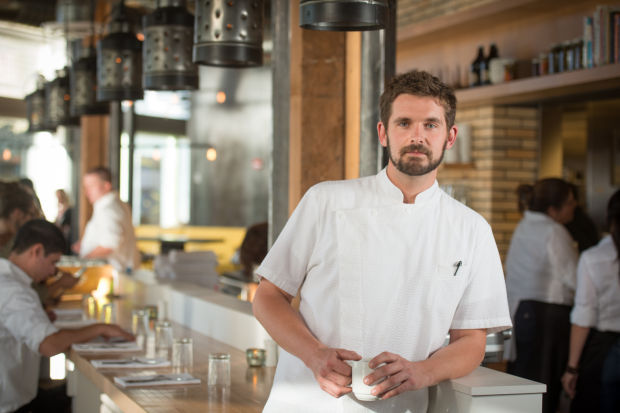
Proper Tucson chef Kris Vrolijk said using “good, fresh veggies and fresh meats tends to make the best gravy.”
He also uses half and half to create a richer sauce in his Chiltepin Sausage Gravy (recipe on previous page).
Some home cooks are afraid of lumps, which can be avoided by using hot liquid when making your gravy, and whisking it in slowly. And if a few lumps show up, they can be strained.
“I can say a lot of things about the value of creating your own food as opposed to buying processed foods,” Vrolijk said. “The main thing is, even if you screw it up terribly, the kids will have something to talk about. You will have learned something and it will have love.”
He said some of his best stories from his childhood involve his mother burning some experimental foodstuff or creating a French toast masterpiece.
“I guess it depends on what level of pride you are willing to part with. If cooking is about pride, then I want out. Everything people see on television inundates their views with images of perfection, when in the truest terms, food, made with love by the ones you love, is always memorable — perfect or not.”
Elizabeth Mikesell, Pima Community College chef instructor
Hacienda del Sol Guest Ranch Resort chef Bruce Yim
Proper Tucson chef Kris Vrolijk