

Time to prepare for next summer's crops by gathering and saving seed for planting.
Chris Lowen, field coordinator for Native Seeds/SEARCH's conservation farm in Patagonia, will lead a two-hour workshop on how to save seeds. He provides a preview with these methods and tips on a few popular plants from the summer garden.
IN GENERAL
Collect seeds from at least one fruit or vegetable from every plant you have. This increases the chances of saving healthy seed.
Examine a seed from a seed packet or do research to know what a healthy, mature one looks like. Toss out broken, diseased or immature seeds.
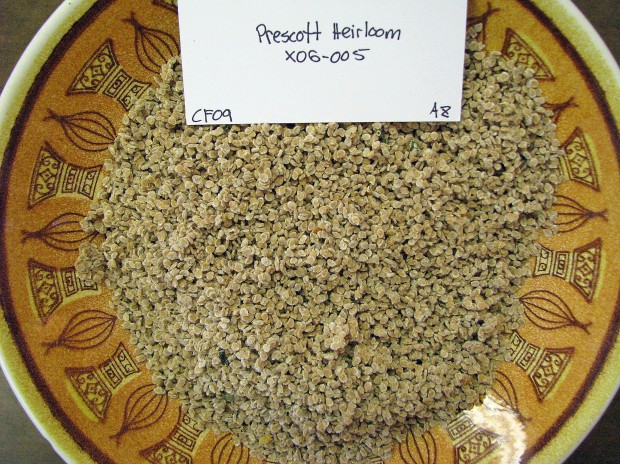
Hybrid plants will develop seeds that may have only some of the traits of the hybrid. Heirloom plants produce seeds that become the same plant every year.
People are also reading…
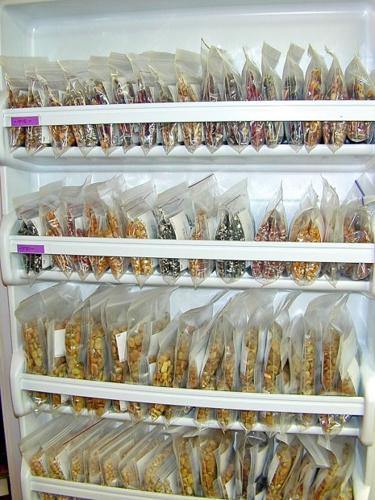
To store, place seeds in sealable plastic bags and label the bags with the name of the plant and the date of collection. Put the bags in the freezer. "Seed in a freezer can last 10 years without too much trouble," says Lowen.
WET SEEDS
So-called wet-seeded plants include tomatoes, melons and squash. Pick fruit when "they get a little bit overripe," says Lowen. These should be soft to the touch.
Overripe squash will turn a color that's different from when it's usually picked. Zucchini, for instance, is ripe when it turns orange.
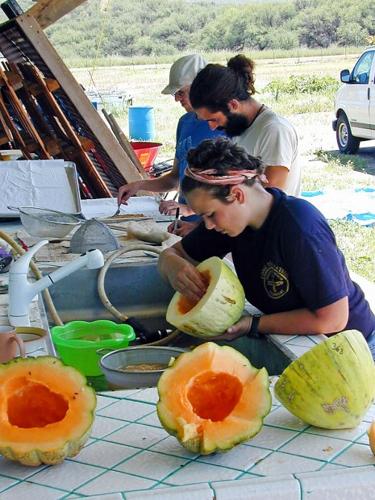
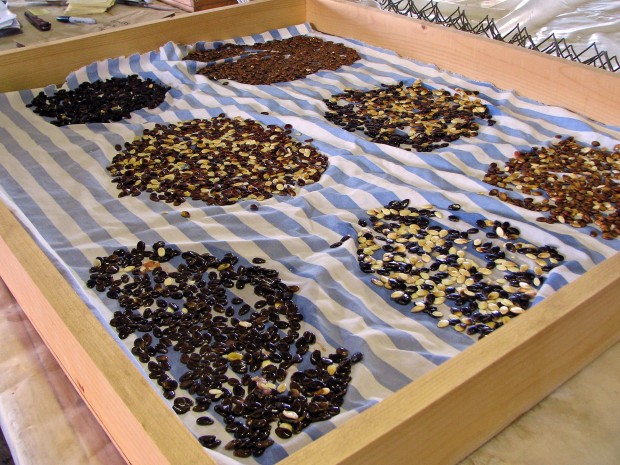
For squash and melons, mash the fruit or scoop out the seeds and rinse away the pulp. Air-dry on a cooling rack or towels away from direct sun for 10 to 14 days.
For tomatoes, blend the fruit with water and put the mixture in a jar.
Ferment for three days-"it's gonna smell kind of bad," he warns. Then mix up and add water. The good seeds sink, so you can pour off the top stuff. Keep adding and pouring out water and pulp until the seeds are clean. Then air-dry the same way as for other wet seeds.
DRY SEEDS
Let bell peppers, chiles and other dry-seeded plants dry on the plant before harvesting the seed. Then break open the shell to get the seeds out.
PLANTING
You can plant seeds directly from the freezer because they will thaw quickly.
Plan to plant more seed than you would from a commercial seed packet because the germination rate will likely be lower.
Seed from hybrid plants may grow only one of the plants that were originally used to create the hybrid. "If you're fine with variation," says Lowen, "then throw the (seeds on the ground) and see what happens."
For more information
Native Seeds/SEARCH details on its website www.nativeseeds.org/ how_to/seedsave methods for encouraging and collecting healthy seeds.
If you go
Seed Saving
• What: Workshop on how to collect seeds for planting next season.
• Where: Community Food Bank's garden, 3003 S. Country Club Road.
• When: 9-11 a.m. Wednesday.
• Admission: Free, but donations are accepted.
• Reservations: Make required reservations by calling 622-0525, Ext. 263.
• Information: Communityfoodbank.com
Contact local freelance writer Elena Acoba at acoba@dakotacom.net