

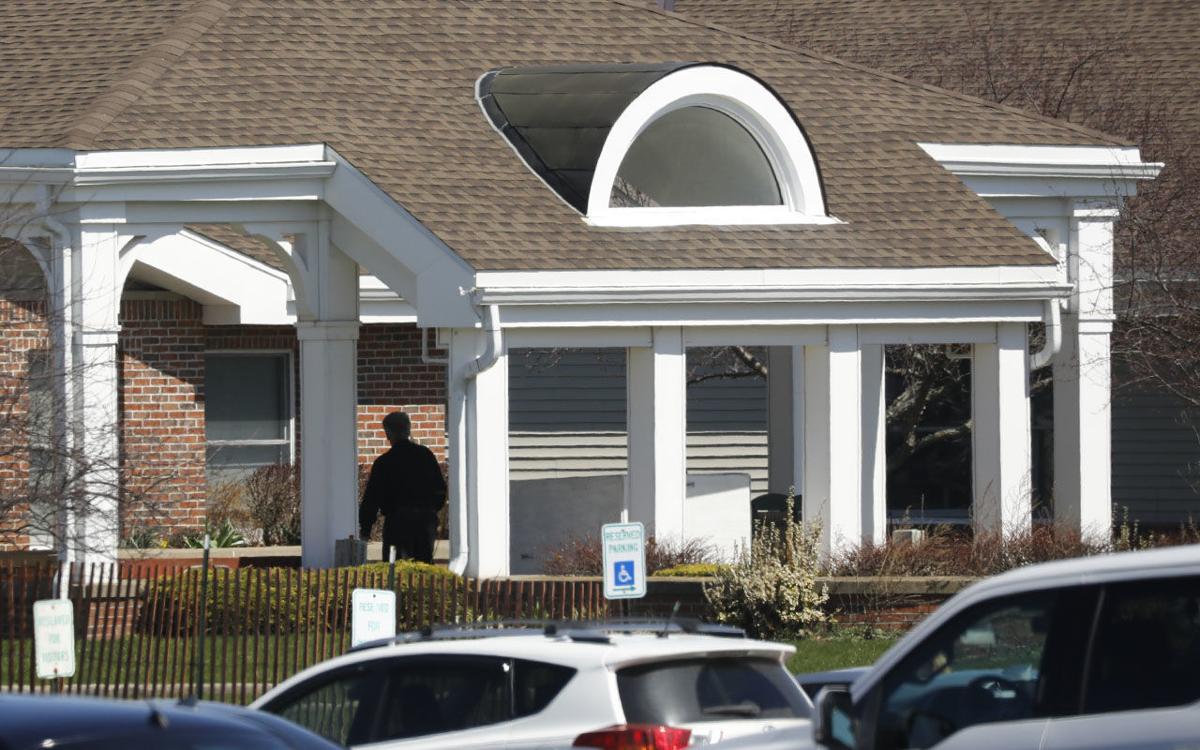
Limited visits with residents can begin Wednesday in nursing homes and long-term care facilities where there have been no Covid-19 cases for at least 28 days, state Health Commissioner Howard Zucker said Friday.
Residents can have up to two visitors at a time. The visitors must have their temperatures checked, wear a face covering and maintain social distancing, Zucker said.
Visits have been banned since March 13, by order of Gov. Andrew M. Cuomo, in response to the rapid spread of the novel coronavirus, which is especially dangerous to elderly residents in nursing homes. In New York State, more than 6,000 long-term care residents have died of Covid-19.
The 28-day requirement of having no Covid-19 cases is a threshold set by the U.S. Centers for Medicare and Medicaid Services, the commissioner said.
Before accepting visitors, facilities are required to file a visitation plan with the state Health Department attesting that they are following the state’s directives for safe visiting.
People are also reading…
That includes visits not exceeding 10% of the facility's resident population at any one time. For example, in a 100-bed nursing home, no more than 10 residents can have visitors, Zucker said in explaining the need to maintain proper social distancing and ensure safe compliance.
Visits should be outdoors, weather permitting, but can take place inside in a designated area that is well ventilated. No more than 10 people can be in that area and social distancing must be maintained. Residents visiting other residents can also use the area.
In addition, visits in residents’ rooms and care areas are prohibited. The only exception for room visits involves pediatric residents up to the age of 21 and their immediate family.
Visitors who are under 18 years of age must be accompanied by someone 18 or older.
“It is critical that as we resume visitations to these facilities we do it in a smart and cautious way to ensure the health and safety of residents and staff,” Zucker said in a statement announcing the new visitor policy. “We will continue to closely monitor the situation in each facility and make adjustments based on the facts and data moving forward.”
Families and advocates of nursing home residents have repeatedly expressed concerns over the visitation ban. They complained that it imposed isolation on residents and stopped them from making crucial in-person assessments on how their loved ones were being treated.
Carol Schmeidler reacted with joy over the new policy. She has had to depend on window visits when seeing her 91-year-old mother, Debbie Schmeidler, at Beechwood Homes in Getzville.
“I feel like crying. It certainly is not as open as I would like, but my gosh, it has been almost four months. and I’ll take what I can get,” Schmeidler said.
Daniel Tracy Sr., whose 42-year-old son Daniel Jr. is a resident in Elderwood at Hamburg, said he too is grateful, but questioned the wisdom of banning relatives in the first place.
“Family members should have never been considered visitors. We should have been able to see our loved ones. It was particularly hard on them,” the father said.
Tim Swan, who had regularly visited his friend Gary Newman at Buffalo Community Healthcare Center before the ban, expressed relief.
“It has been a long four months. I think a lot of people will be relieved and happy,” said Swan, who hopes to arrange a visit as soon as he finds out if the Buffalo nursing home meets the requirements. “Gary will be very excited for a visit.”
Swan added that nursing homes and visitors need to strictly comply with the state Health Department’s requirements to protect residents and staff.
“I will be wearing a mask,” Swan said.
Chuck Hayes, spokesman for the Elderwood facilities, said the company’s clinical and administrative teams are “carefully reviewing the guidelines and developing plans to operationalize them so we can welcome visitors back safely as soon as possible.”
Stephen Hanse, president of the New York State Health Facilities Association and the New York State Center for Assisted Living, said the visitor policy recognizes “incredible strides” made by long-term care facilities “in eradicating Covid-19.”
“While our residents have become skilled at using various digital communication platforms to connect with their loved ones, digital interaction doesn’t compare to the joy of in-person interaction,” Hanse said.
Zucker on Friday also announced the resumption of on-site visitation for the state’s Long-Term Care Ombudsman Program, starting Wednesday.
Those serving in the program, which seeks to resolve concerns raised by residents and their loved ones, must be screened, present a verified negative test result for Covid-19 dating back within a week and wear personal protective equipment.


