

The University of Arizona expects to bring in $66.8 million less, or 7% less, in net tuition revenue than it had budgeted for fiscal year 2027, due to an overall enrollment drop of 7.6% this fall.
Also, the UA expects to spend $39.4 million less on student scholarships in fiscal 2027 than previously budgeted.
This is also due to the enrollment decline, Arizona Board of Regents documents show.
UA officials say the enrollment decline in fall 2026 compared to fall 2025 mostly resulted from a drop in out-of-state undergraduates.
The number of on-campus out-of-state undergraduates fell 23.7% and enrollment of online out-of-state undergraduates fell 9%.
In-state undergraduates overall dropped by only 1.5%, while graduate enrollment was flat overall.
People are also reading…
Fiscal year 2027 began July 1. According to the university’s first quarter budget update, its projected net tuition revenue for the year is $880.6 million.
This compares to $952.5 million in tuition revenue recorded by the UA in FY26.
First quarter numbers show that UA’s tuition revenue from out-of-state freshmen undergraduates coming to study at UA’s Tucson campus is projected to fall $43.2 million below budget.
Tuition revenue from out-of-state online undergraduates is projected to fall by $7.3 million, out-of-state online graduates by $3.6 million, and in-state on-campus graduates by $5.1 million, according to Arizona Board of Regents documents.
Revenue from in-state online undergraduates is projected to increase by $2.2 million and that from in-state online graduates will go up by $1.6 million, board documents show.
UA leaders, including President Suresh Garimella and Provost Patricia Prelock, have repeatedly said their strategy was to shrink enrollment for this fall, saying they want to be more selective in choosing which students are admitted.
Garimella told ABOR two weeks ago that enrollment trends this fall were “quite intentional” and “as planned,” but that the UA will “stabilize the numbers.”
He said university officials want to increase retention and graduation rates and make sure their students are ready for careers, rather than to try to increase enrollment.
Garimella has said the UA had the most academically prepared first-year class this fall, with an average grade point average of 3.55. More than 40% of the students had a high school GPA higher than 3.75, and nearly 36% were in the top 10% of their graduating class.
Kristina Wong Davis, UA's vice president for enrollment management and dean of students, told the Faculty Senate in early October that the enrollment drop this fall was due to a combination of factors.
In addition to UA's strategy, she said, these included the decline in international students nationally, a competitive market for domestic out-of-state students, and the "demographic cliff" — the decline nationally in students of traditional college age, due to falling birth rates during and after the Great Recession.
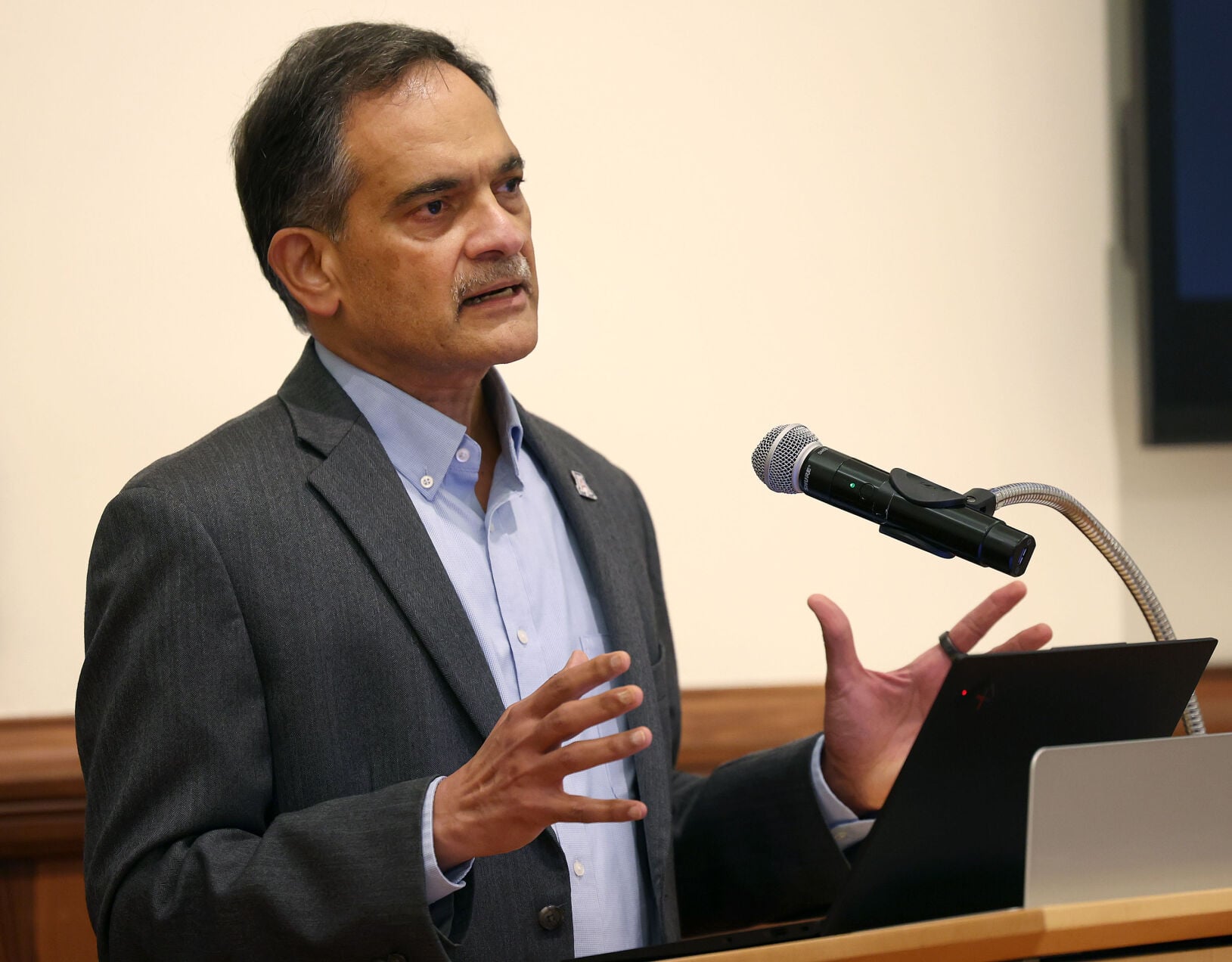
Garimella
Reporter Prerana Sannappanavar covers higher education for the Arizona Daily Star and Tucson.com. Contact her at psannappa1@tucson.com or DM her on Twitter.

Prerana Sannappanavar
Higher Education Reporter


