

Raise your hand if you’ve ever tried to grow potatoes.
No? Didn’t think so.
Sure, the potato is the most popular vegetable in this country, according to a Trivial Pursuit question that I once got wrong. (I guessed corn.)
But for many gardeners, the lowly tuber gets outshined by flashier veggies: tomatoes, bell peppers — even eggplant. I used to think the spuds would take up valuable space better used for those stars of the summer garden, so I never bothered to try growing them.
In fact, if I saw potatoes growing at the community garden I wouldn’t even recognize them.
But that’s about to change.
A few months ago, I bought some seed potatoes from a local nursery and set them in a dark place to sprout. These were Yukon Golds — my favorite spud.
People are also reading…
It took a month or so for them to finally sprout eyes. These babies weren’t organic but they won’t be seeing any more chemicals in their short little lives.
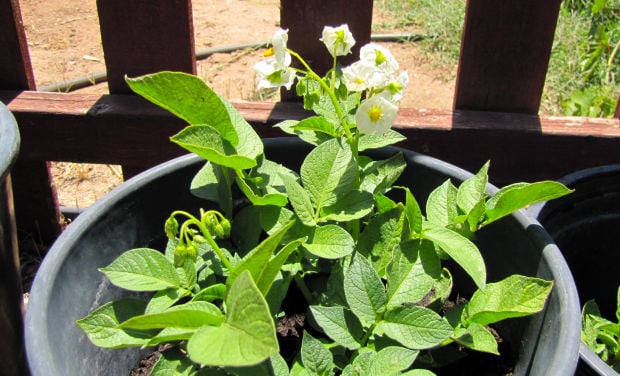
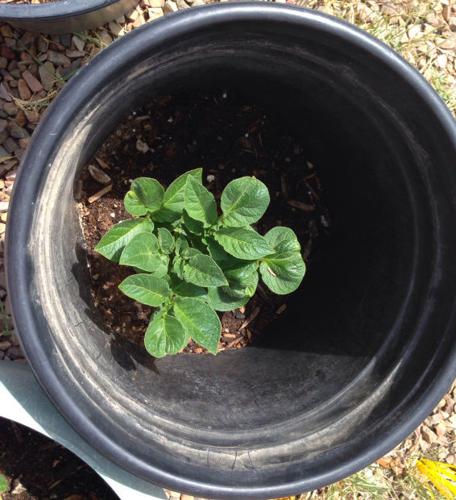
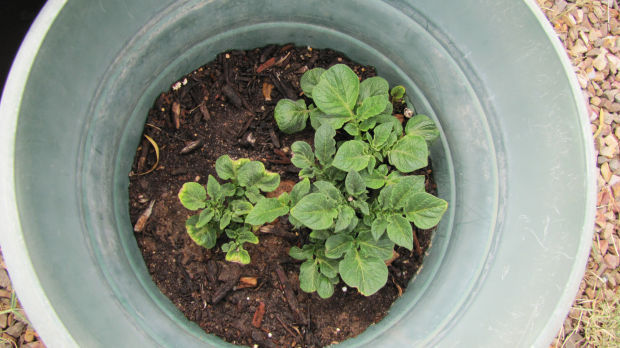
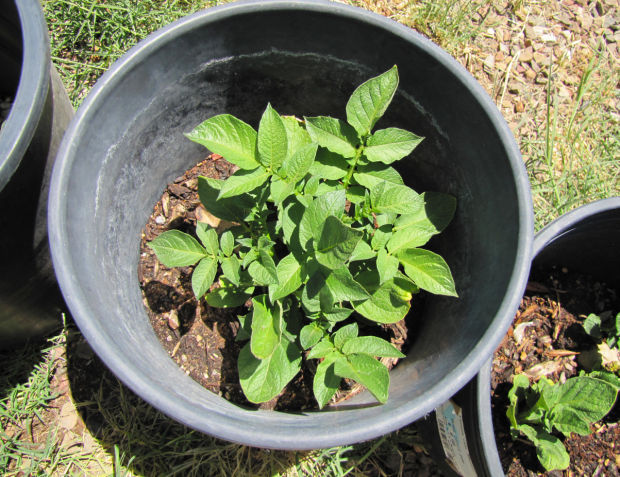
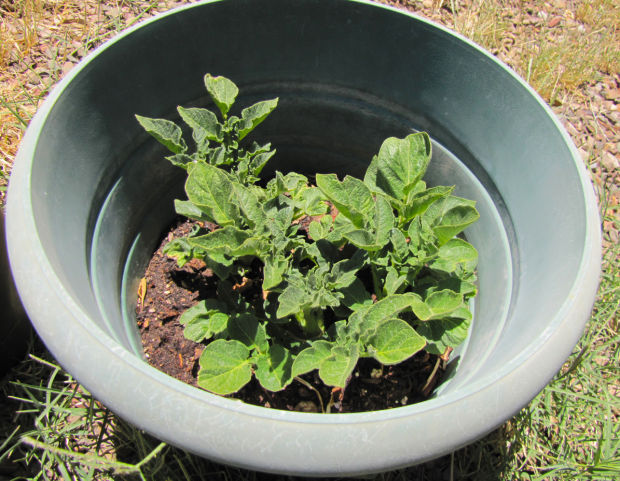
I would have planted them in barrels, but I didn’t want to go out and spend the money so I did the next best thing: I planted them in old plastic tree pots that I had hanging around. They aren't large — maybe 10 or 15 gallons? — so I planted one or two seed potatoes per pot.
With container spuds, the theory is that once the tops are done growing, you tip the pots over and pop out the tubers, which is much easier than digging them out of the garden. And this way you won't miss any.
Meanwhile, as the Yukon seed potatoes were doing their best to sprout, I pulled out some tired, wrinkly organic russet potatoes from the pantry closet. I buy these regularly from Trader Joe’s but inevitably the last few in the bag will sprout and become inedible.
So, I thought, why not add these to the mix, for a scientific potato throw-down? Which will grow faster? Which will taste better?
Note: Don't bother trying to plant conventionally grown supermarket potatoes, as most are treated to prevent them from sprouting. Potatoes are best planted in the spring, but sweet potatoes can be planted in the summer.


