

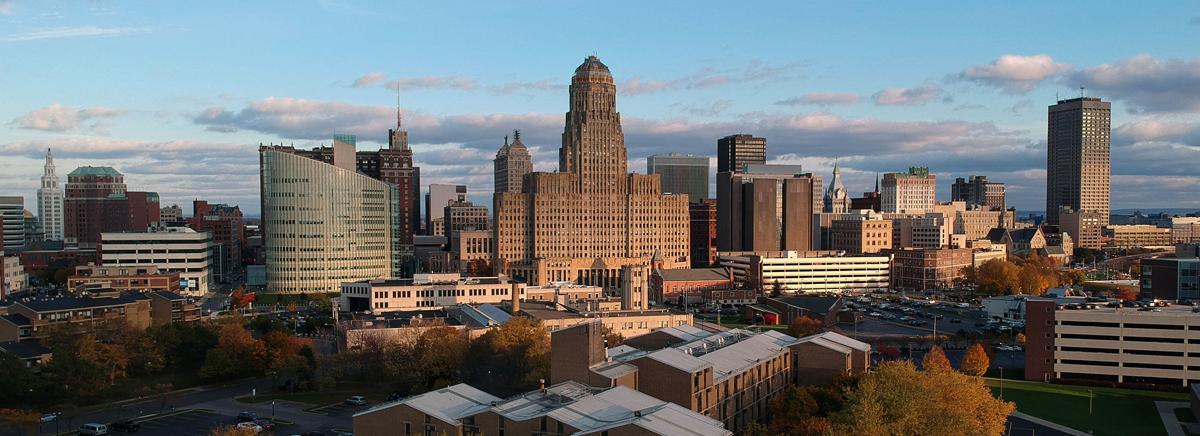
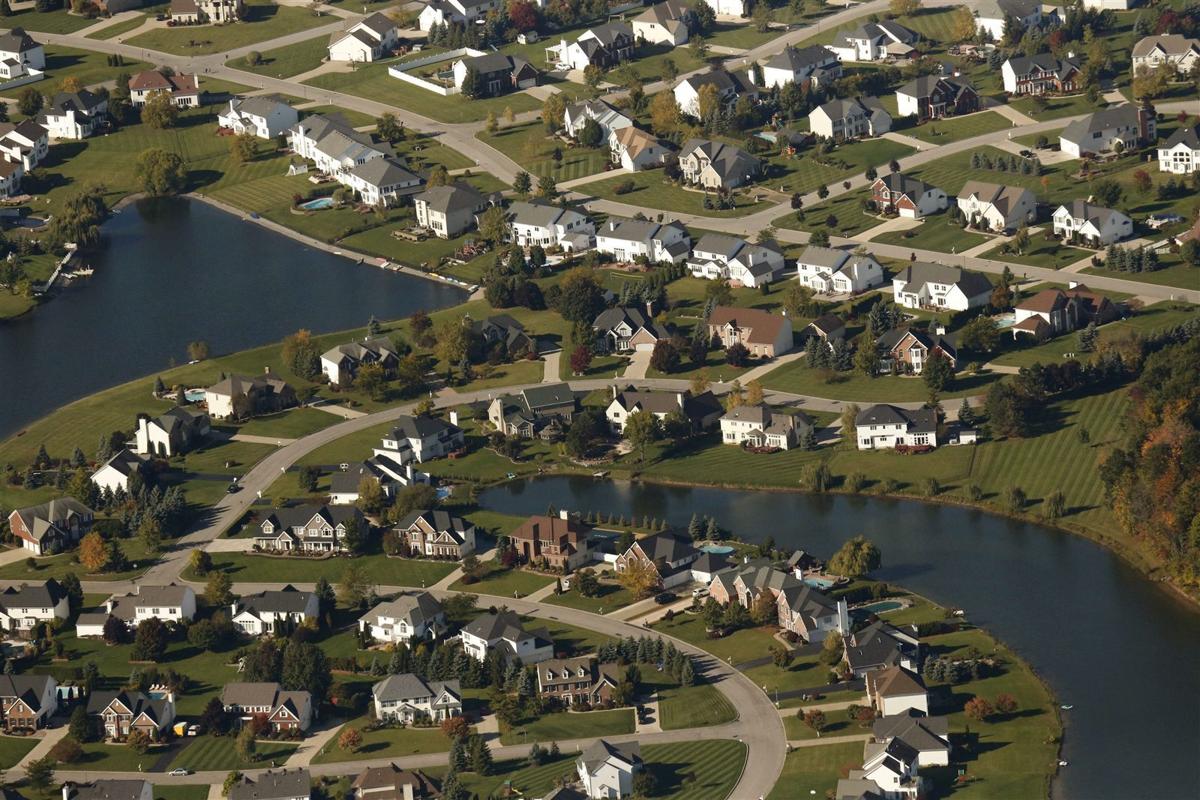
The release of the 2020 census results is still months away, but the latest annual estimates by the Census Bureau hint at what they may reveal: New data again suggest that Buffalo lost population last year.
Where are Buffalo residents moving? To answer that question, The Buffalo News obtained three years of local change of address records from the United States Postal Service. Due to privacy regulations meant to prevent the identification of individual households, these records only reflect moves between ZIP codes that saw 10 or more change of address requests in a given month. In other words, these records are far from representative of every move in the region – particularly moves to small or sparsely populated ZIP codes, or to ZIP codes in other cities, where there are fewer aggregate moves and thus less data.
But they do show where the most people moved most frequently within the region, both before and during the pandemic.
People are also reading…
Where Buffalonians move
The vast majority of the more than 51,000 outbound moves captured by USPS data occurred within Buffalo, or between the city and its nearest suburbs. Thousands of households move between Buffalo and Tonawanda, Amherst and Cheektowaga each year, for instance.
But the next bucket of movers traveled further afield: to Orchard Park, Depew and Lancaster, and East Amherst, Clarence and Clarence Center. Of the change of address requests that originated in Buffalo and ended elsewhere, roughly one in 10 reflected moves to the outer suburbs.
That jibes with the most recent census estimates, which suggest that Clarence and Lancaster each added more than 2,000 residents in the past 10 years – making them the fastest-growing suburbs in the region, on a population-adjusted basis. (As with all census estimates, which are calculated between decennial census counts, the true number could be higher or lower – the September release will provide clearer answers.) Buffalo, meanwhile, lost an estimated 6,800 people.
That dynamic is not new: Between 1950 and 2018, the city's population fell by more than half, even as the region’s total population grew slightly, according to a June 2 report by the Washington, D.C.-based Brookings Institution.
The costs of suburbanization
Most metropolitan regions have seen similar patterns of suburbanization, especially in the northeast, Brookings found. Over the last 70 years, the country’s largest metropolitan areas have grown, in the aggregate, while the median share of the population living within city limits plummeted.
But there are regional costs to suburbanization – particularly as it creeps further into previously undeveloped areas, a process sometimes known as “sprawl.” Roads, sewer and water lines cost more money per capita to maintain in neighborhoods with fewer people. And as residents move out of Buffalo and its first-ring suburbs, they leave underutilized infrastructure and vacant buildings behind them.
What comes next
There’s little to suggest that suburbanization is slowing down – in fact, the pandemic may have accelerated it. In an analysis of national change of address data from last year, Bloomberg News found that nine in 10 suburban counties gained residents, even as many urban areas contracted. Some labor and housing economists have also suggested that a shift to more “hybrid” work styles will encourage commuters to move further away from their workplaces, into more distant or developing suburbs.
Either way, the next few months will be ones to watch: USPS data suggest that far fewer locals moved in 2020 than in either of the two years before, when moves picked up sharply in midsummer and stayed high throughout the early fall months. Last year, however, change of address requests spiked in March, bottomed out in June, and remained low the rest of the year. Time will tell if local movers make up for lost time this summer.


