

Jessica Lamberton's topic is cats - and she's not talking tabbies.
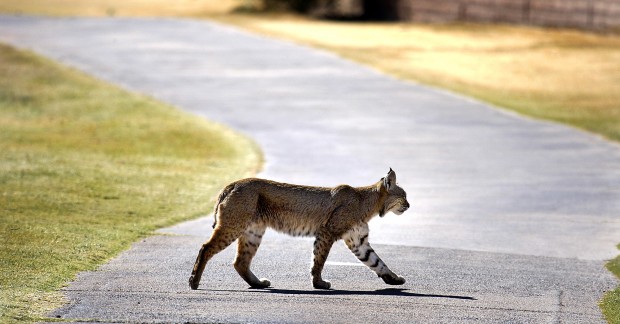
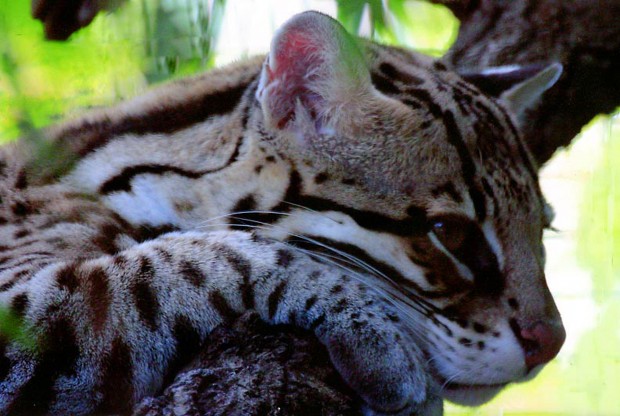
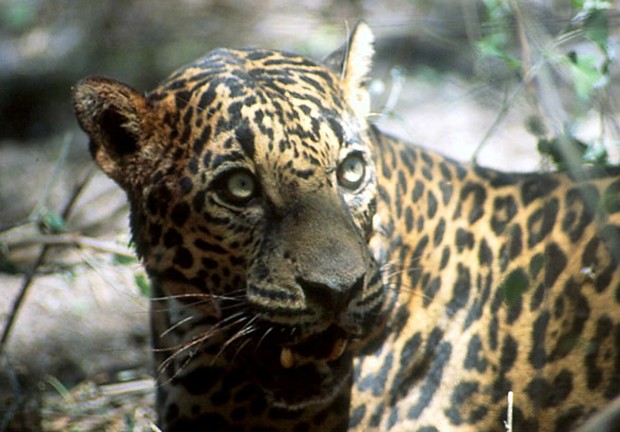
Bobcats, mountain lions, jaguars and ocelots - all of which have been known to roam our region - will be the subject of an upcoming public presentation by Lamberton, a wildlife biologist with the Sky Island Alliance conservation group.
"We live in a very diverse and unique place - one of very few places that have four species of cats living in the area," Lamberton said. "This presentation will be a look at the behavior of these cats and some of the myths and fears."
The free presentation next Tuesday - called "Wild Cats of the Sky Islands" - comes at a time when wild cats have been much in the news:
• Controversy continues over the capture - and subsequent euthanization - of a jaguar known as Macho B in Arizona.
People are also reading…
• Mountain lions have been spotted in recent years in neighborhoods on the fringes of Tucson and at popular recreation sites near the city, including Sabino and Ventana canyons.
• A remote camera photographed a rare ocelot in Cochise County last year.
• Bobcats frequently show up in backyards around Tucson.
Lamberton's talk and photo presentation, sponsored by the Southern Arizona Hiking Club, will provide an introduction to our four feline predators and examine some myths.
Here's a preview:
BOBCATS
Sometimes mistaken at first glance for large house cats, bobcats typically weigh 17 to 19 pounds but can weigh up to 25 pounds.
"Bobcats have something called a Jacobson's organ," Lamberton said. "It's two tiny holes on the inside of the roof of their mouth, and it's for smelling and scent. Cats will mark their territory with urine and feces, and they use their Jacobson's organ to detect the odors. That marking behavior - leaving urine or feces - is a little like updating Facebook."
MOUNTAIN LIONS
These formidable predators can be 5 to 8 feet long - including the tail - and weigh 150 pounds. Southern Arizona lions more often weigh 80 to 100 pounds.
"One interesting thing about mountain lions is all the other names for them," Lamberton said. Some of those alternate names: puma, cougar, catamount and panther.
JAGUARS
Larger than the other wild cats in our region, jaguars can weigh 250 pounds, but those observed in Arizona are closer to 100 pounds.
"The biggest difference from a mountain lion is in proportions," Lamberton said. "The jaguar has a bigger, more powerful head and jaw than a mountain lion. They've been known to actually eat sea turtles."
OCELOTS
These elusive, spotted cats - commonly weighing 20 to 35 pounds - have been documented in northern Mexico, but last year's remote-camera photo was the first solid recent evidence of an ocelot in Arizona.
"They will eat just about anything - lizards, birds, rabbits - but they can be sort of picky eaters," Lamberton said. "They have been known to defeather birds before eating them."
MYTHS
Lamberton will discuss several myths. Perhaps the most compelling has to do with the common fear that wild cats pose a great danger to people.
"One myth is that cats are aggressive toward people," Lamberton said. "In reality, the majority of predators here are very solitary, very shy. The fact that you don't normally see them in the wild is a strong indication of that."
Still, we sometimes hear reports of attacks on people by mountain lions. Isn't that aggressive behavior?
"In the majority of the cases where they're aggressive, it's a sick animal with rabies, or it's a young and not-too-experienced animal" moving away from its birthplace and searching for a territory where it can live, Lamberton said.
In the event of a close encounter, Lamberton and other wildlife experts say it's important not to run. Instead, make yourself appear as large as possible and fight back if you are attacked.
Contact reporter Doug Kreutz at dkreutz@azstarnet.com or at 573-4192.


