Tucson and Pima County have opened dozens of free cooling centers across the region in preparation for extreme heat that can threaten vulnerable populations.
This spring already has seen record-breaking heat that claimed the lives of three people in southern Arizona and as many as 28 in the Phoenix area, according to published reports.
Multiple public and private agencies, continuing through October, are operating more than 30 locations offering air-conditioned spaces, free water and rest areas during peak heat hours, typically from noon to 8 p.m. Mondays through Saturdays. The sites opened this week.
The Pima County Health Department leads the regional effort.
Tucson in March recorded its earliest 100-degree day in the city’s history, with triple-digit temperatures occurring over a four-day span.
People are also reading…
Extreme heat is one of the deadliest hazards in Southern Arizona, with about 29% of heat-related deaths in 2024 involving unhoused people. Tucson temperatures can regularly exceed 110 degrees during the summer.

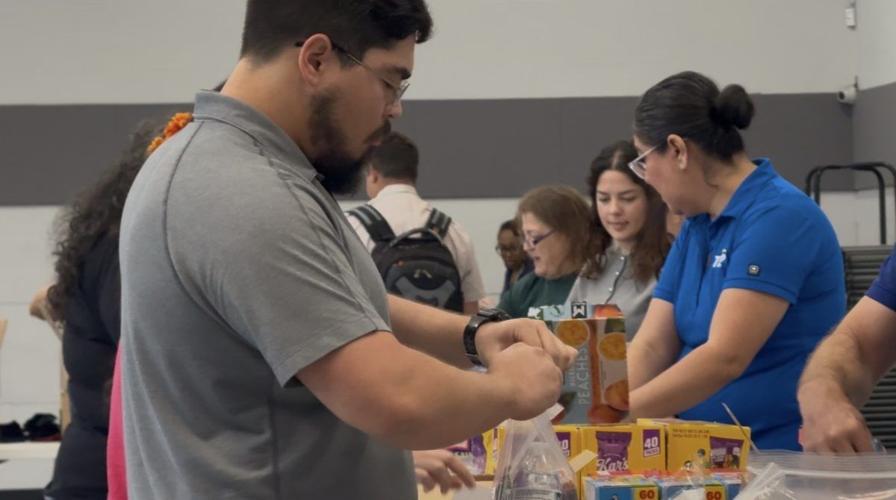
Volunteers prepare food and water to be included in care packages at El Pueblo Community Center. The care packages also include socks, shirts and hats to protect from the sun.
“Tucson is one of the fastest-warming cities in the nation, so extreme heat is the No. 1 weather-related cause of death,” said Fatima Luna, the city’s chief resilience officer.
In 2023, the Pima County Recorder’s office started collecting data in an “intentional way” on climate vulnerability and risk assessment. They used that data to create a climate action and adaptation initiative that involves the city, county, Red Cross and community partners.
The plan was put into effect in 2024-25 and led to a 61% drop in heat-related deaths among the unhoused community, said Brandi Champion, community safety director of Tucson Housing and Community Development Department.
Luna said planning begins in the winter for the following summer to identify locations for:
Cooling centers: Indoor locations that provide refuge from the heat during the day with drinking fountains or bottled water available.
Respite centers: Offering a place to rehydrate and rest without interruption.

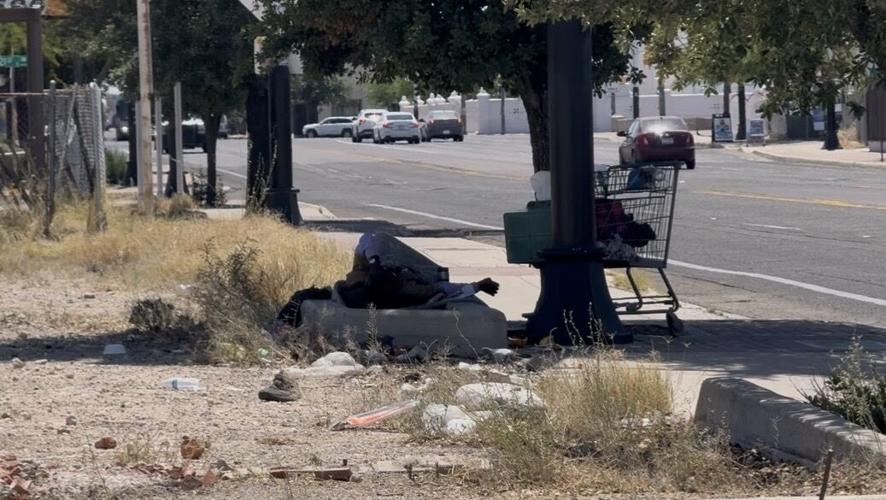
A shade tree in a Tucson park provides shade to a person. Cooling centers have opened early after a heatwave in March led to three heat-related deaths.
Hydration centers: indoor and outdoor centers offering water bottles and a clean refill station. There’s no guarantee that there will be space to sit or rest for extended periods of time.
Library Cooling Spaces: During regular library hours, it’s a space where visitors can get out of the heat and use library services.
Efforts this year also include specialized “Cooltainers,” air-conditioned, converted shipping containers that offer water, snacks and device charging. The containers, which have windows, screens and solar power, are cooled at 66 to 68 degrees and are set up in heat relief locations around the city.
There are two types of Cooltainers — a sleeping container that can accommodate 10 people; a respite space where people can charge their phones, watch TV, eat snacks, play games and talk.

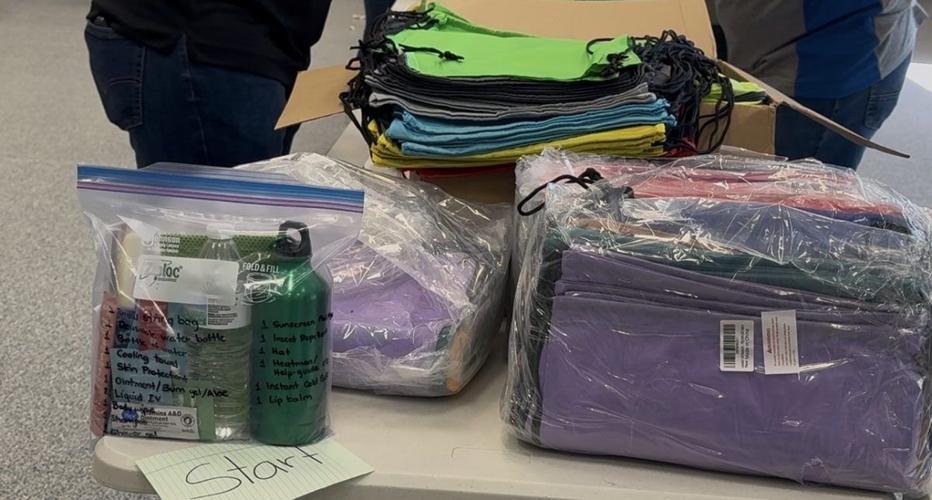
The contents inside of each heat relief bag. Over 40 volunteers came to help with the assembly and show communal support.
“Last year we had more than 4,000-plus duplicated visits from unsheltered folks,” Champion said. “The demand for Cooltainers shows us how helpful they can be and we’re hoping to receive two more.”
In 2024, the Cooltainers had only 714 visits when they were set up on Miracle Mile near the Frontier Motel. The Cooltainers were moved to the El Pueblo Community Center the following year, where visits nearly tripled. During the offseason, the Cooltainers are being used in STAR Village, the city-protected, safe outdoor sleeping space on Grant Road.
The Cooltainers and relief packages are open to anybody, and people don’t have to be unsheltered to utilize them. Some partners even offer cooling methods and relief for mobile home occupants who may not be able to get down to cool temperatures or maybe they don’t have working air conditioning or they have swamp cooling.
Visitors at the heat-relief centers are given a care package that includes toiletries, water bottles, clothing, sunscreen and other necessities.
The care packages are available throughout the region, including at the Donna Liggins Center and the Himmel Park Library near the University of Arizona, where Stewart Burke finds refuge from the sun under the canopy of the university’s shade trees.

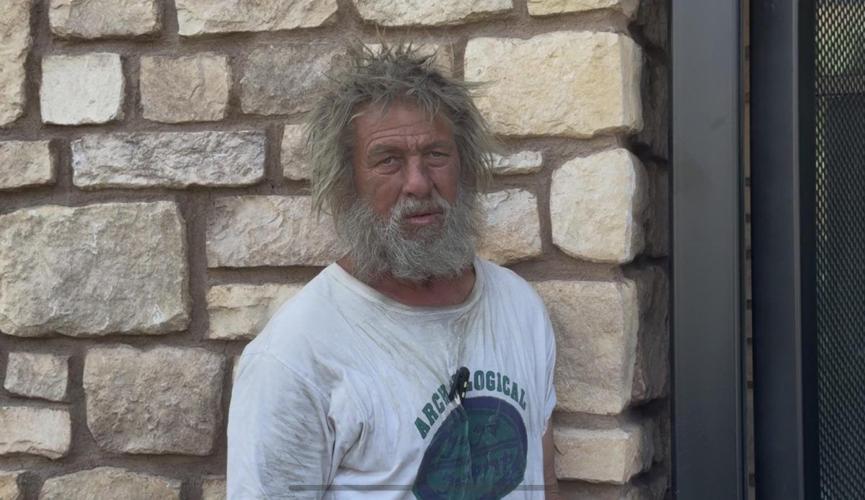
Stewart Burke visits Circle K near the University of Arizona to refill his cup with water. Some 63% of the homeless population are men, with a rising number of seniors over 65.
“Everybody needs something different. A lot of people don’t even know what they need,” said Burke, who has lived in Tucson 50 years, including among the unhoused.
One of his biggest concerns, he said, was keeping hydrated. On a recent Tuesday afternoon, he took sips from a weathered Styrofoam cup that he said he often refills at a nearby Circle K.
“I need rehydration, and just basically for it to become nighttime so I can escape the sunshine,” he said.
Residents can find cooling centers, hydration stations and other heat relief resources through an interactive map coordinated by the Heat Relief Network, a regional partnership of Pima County, tribal nations, municipalities, nonprofit organizations, faith-based groups and businesses. For more information, visit Cooling Centers.
Arizona Sonoran news is a news service of the University of Arizona School of Journalism.