

CAIRO — President Donald Trump said the U.S. will hold off on a fresh attack on Iran as long as a deal can be reached quickly to halt Iran's nuclear ambitions and reopen the Strait of Hormuz.
Trump said late on Saturday on social media that Iran and other Middle Eastern countries asked for time to complete a deal that would lead to "the Immediate, Complete and Total" reopening of the vital strait and "an end to Iran's nuclear threat."
He did not name the countries in the post, which followed a call with Crown Prince Mohammed bin Salman of Saudi Arabia, a U.S. ally.
"Based on this request, I have agreed, for the future benefit of the WORLD and, likewise, the survival of a successful and prosperous Iran, to cancel the attack, subject to being able to rapidly make a DEAL," Trump wrote.
Israel "joins me in this commitment," he said.
People are also reading…
Iran's official news agency IRNA reported Sunday that negotiations between Tehran and Oman over the Strait of Hormuz were in their final stages, citing Iran's Foreign Minister Abbas Araqchi.
Iranian Foreign Ministry spokesperson Esmaeil Baghaei said negotiations were focused on agreeing to a new route through the strait, adding that it had "no link to the Strait of Hormuz being opened or closed. That is a separate discussion."
Last month Iran publicly rejected an Omani proposal, backed by Gulf states, to manage the strait they share. People familiar with the matter had told Reuters the plan included the collection of voluntary fees for using the strait.
Trump's apparent de-escalation after days of threats of new attacks from each side was the latest twist in the war the U.S. and Israel launched five months ago. Attacks have spread across the Gulf to the Red Sea and even a Mediterranean facility in Egypt.
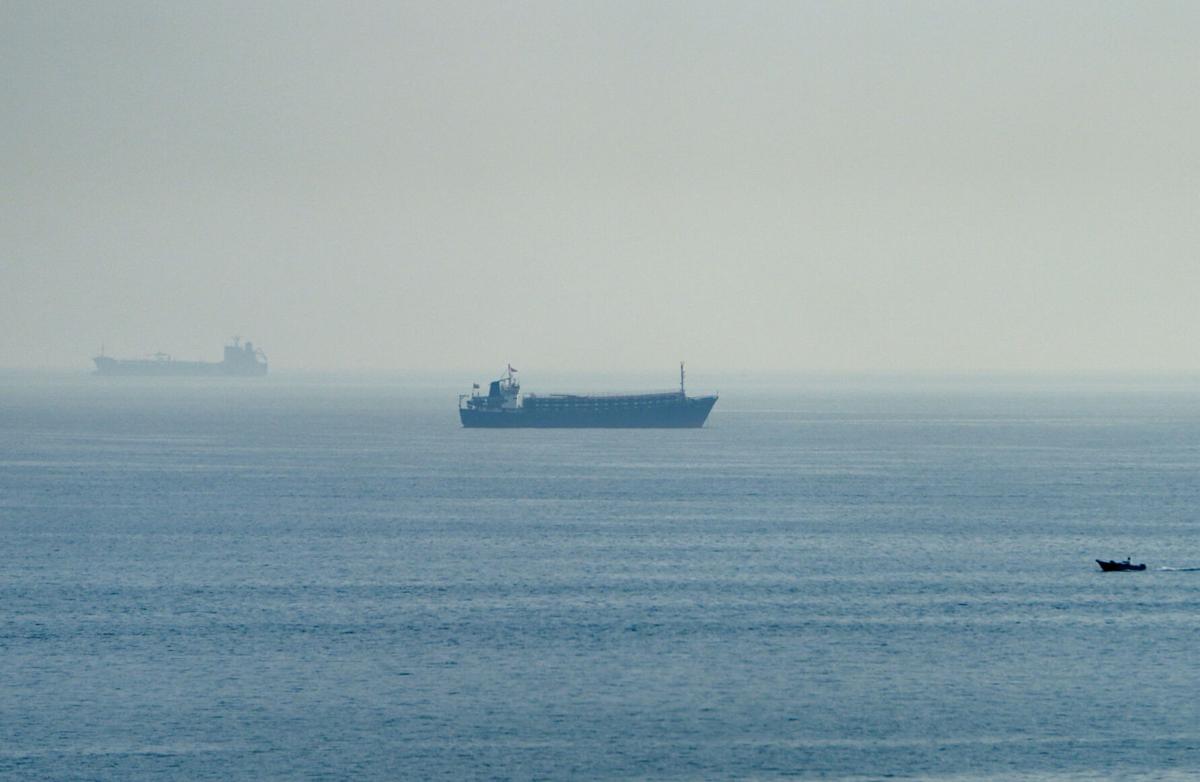
Iran has largely closed the Strait of Hormuz, a conduit for 20% of the world's oil and liquefied natural gas before the war.
Eli Cohen, Israel's energy minister and a member of Prime Minister Benjamin Netanyahu's security Cabinet, said there was close security and intelligence coordination between Israel and the U.S. on everything happening in the region.
But he added: "With or without an agreement, and regardless of any external commitments, if Iran attempts to renew its nuclear program or advance its ballistic missile industries, we will be there. We will take action, and we will strike."
Trump and Netanyahu met on Tuesday in Washington, with an Israeli official saying they had explored all possible paths to curb Iran's nuclear program, including diplomacy, economic pressure and force. Tehran denies seeking a nuclear weapon.
In his call with Trump, the Saudi crown prince stressed the "necessity of prioritizing dialog to de-escalate tensions" in the Middle East, according to Saudi Arabia's state news agency.
A White House official told Reuters that the two had spoken but did not provide details.


